Jo Arnell explores the popularity of these much-loved exotic-looking plants
Who hasn’t bought an orchid? Whether as a gift or statement houseplant, we buy many thousands of orchids each year. They have fascinated us for centuries – their exotic and alluring appearance is as decorative as a mini sculpture – and as houseplants they enhance our interiors for months on end with their long-lasting blooms. Historically many were ripped from the wild in far flung places by intrepid Victorian plant hunters. Thankfully trade in orchids is now highly regulated and modern day orchid hunters roam organised events and specialist nurseries closer to home.
We have become used to seeing an abundance of more common varieties in garden centres and on supermarket shelves and although the majority of us have owned an orchid, tragically we have likely also killed one! Our murders are not often in cold blood – more likely it’s cold water – and too much of it. We lovingly torture them in other ways too, and despite their abundance – the Orchidaceae family is the second largest on earth – this is a much misunderstood group of plants. Orchids are in need: not necessarily of tlc (they’d prefer less pampering) but an understanding of their requirements. It is a relief, therefore, to be in touch with the Orchid Society of Great Britain and to find out more about these beautiful and tantalising plants.
Dedicated to education and conservation, the OSGB is a welcoming community of enthusiasts and specialists offering support and information to orchid growers. They hold plant auctions, talks, practical sessions and events – some online and some at their headquarters in Twickenham. The society was set up 75 years ago and they will be celebrating their anniversary at RHS Chelsea Flower Show this year. Between them, members of the OSGB
have a wealth of knowledge, and wonderful collections of rare and sometimes very valuable plants. More detailed growing tips and care guides for these and many other types of orchids are available on the OSGB website at osgb.org.uk/orchids/orchid-care-guides. We commonly picture Moth orchids (Phalanopsis) when we imagine orchids – these are the ones we see around the place, with their huge flowers perched along gracefully arching stems flowering, if you’re lucky, for many months, which makes them such good value. Moth orchids love a warm room, they don’t need very bright light and the transparent pots in which they are sold allow their roots to photosynthesise and enable you to see if they need watering. Just check the roots; if green, then check again in a few days; if silver, then run water through the pot or stand in water for 20 minutes before draining fully and replacing in the outer pot. Never let any water remain in the bottom of the pot!
There are other species that are also widely available:
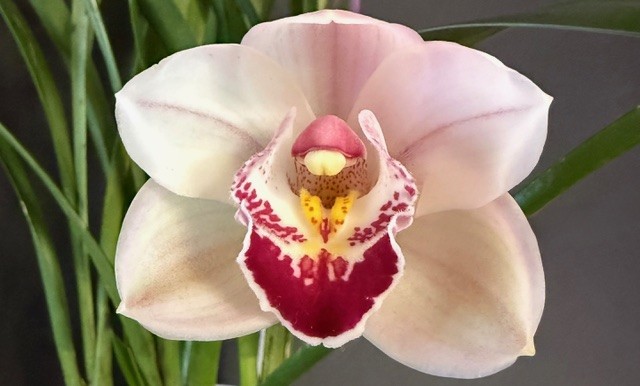
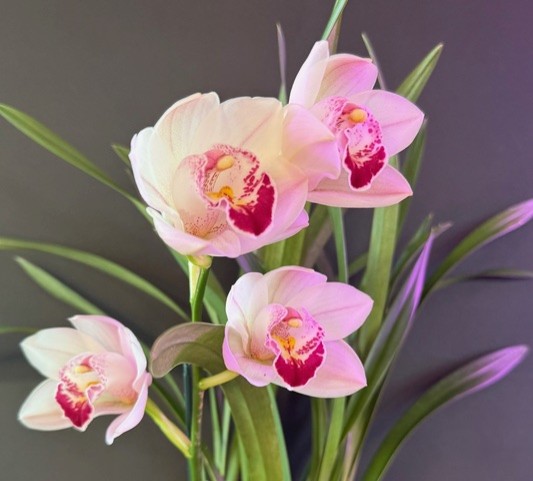
Cymbidium: These plants tend to be available in garden centres between December and April as this is their flowering season, however, their strappy grass-like leaves make them a stunning house plant even when out of flower.
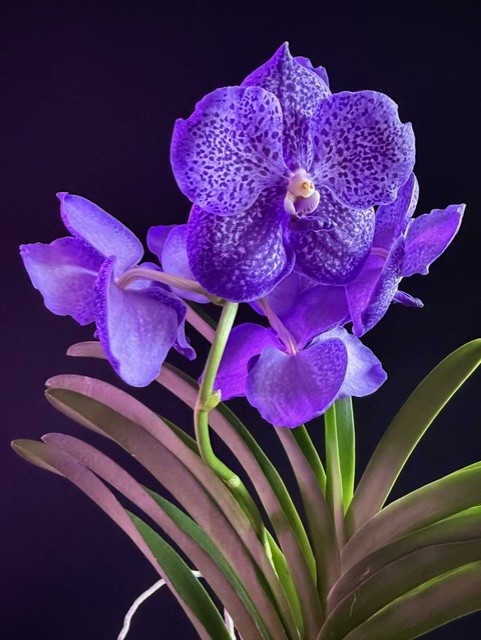
Vanda: If you have space in a bright and sunny window (not north facing), a Vanda is quite a dramatic and hugely rewarding orchid to add to your collection. They can flower multiple times a year and the flowers are long lasting. Whilst they can be potted, the easiest way to look after them is to hang them, bare root, off a tension rod or pole in the window. They then just need the roots dunking in a bucket or sink of water with a small amount of orchid feed weekly in winter and every couple of days in the summer.
Here are a few tips – and myth-busters from the OSGB on the successful cultivation of these remarkable plants:
“Orchids are impossible to grow.”
Probably the biggest myth of all. While some species are specialist plants, many popular orchids (like Phalaenopsis, Dendrobium and Paphiopedilum) are no harder than typical houseplants once you understand their basic needs.
“Orchids only grow in steamy tropical jungles.”
In reality, orchids are found in the wild on every continent except Antarctica. They grow in cool cloud forests, grasslands, temperate woodlands – and even in the UK.
“Once an orchid finishes flowering, it’s finished.”
A heartbreakingly common belief! Most orchids are long-lived perennials. With the right care, they will re-bloom year after year — sometimes for decades.
“Orchids need constant watering.”
Overwatering is actually the most common cause of orchid death. Many orchids prefer to dry slightly between waterings, reflecting how they grow in nature.
“All orchids look similar.”
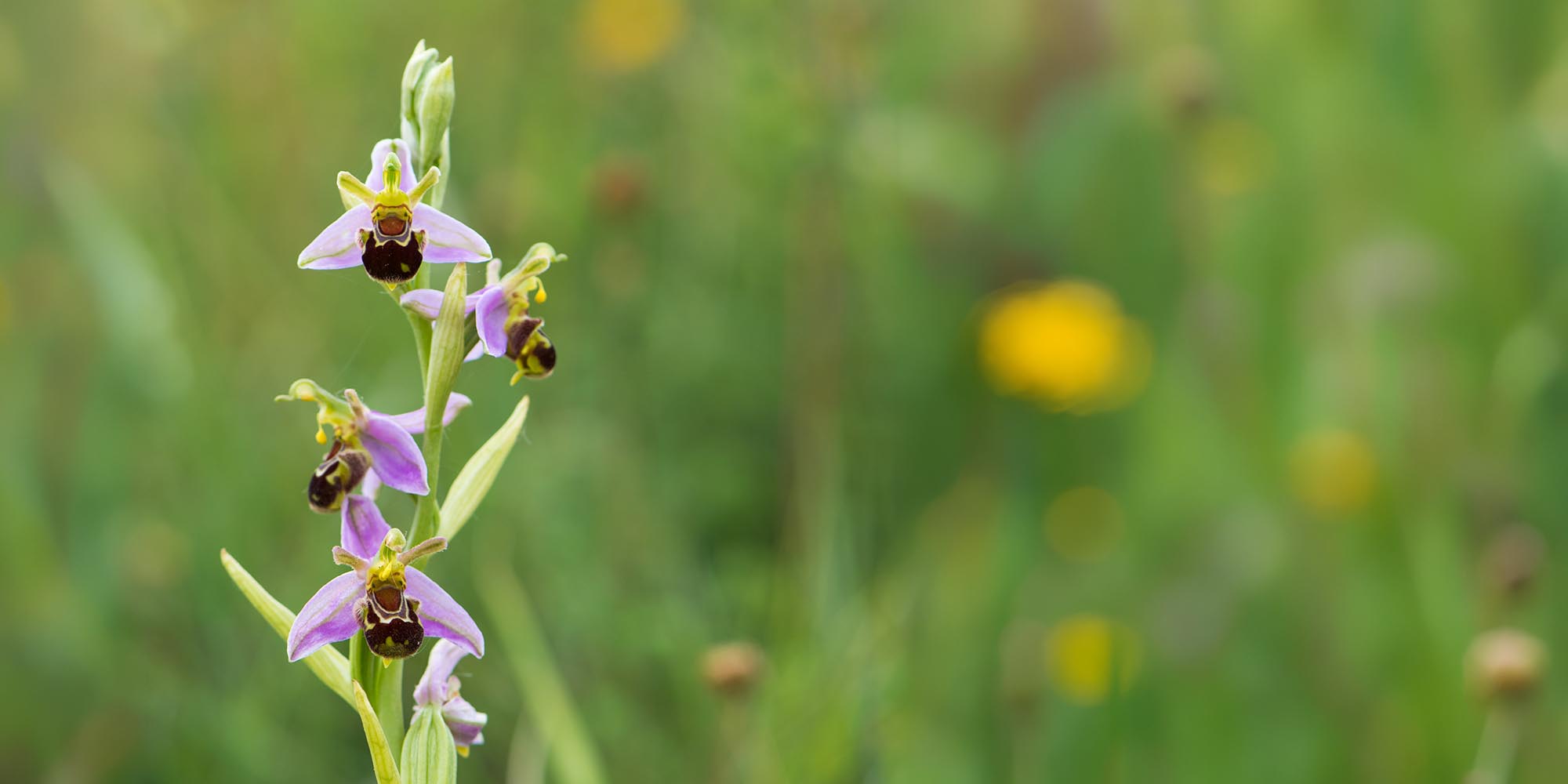
From bee-mimicking Ophrys to the slipper-shaped Paphiopedilum and the bizarre faces of Dracula orchids, the family is one of the most diverse in the plant world. Some even look and smell like rotting meat to attract specific pollinators (not recommended for the home environment!).
“Orchids are purely decorative.”
Historically, orchids have been used in medicine, perfumery, food (vanilla!), symbolism, and even diplomacy – far beyond their ornamental appeal.
So why not take another look at the ever-growing range of orchids seen at garden centres or at specialist suppliers in the UK? And whether it’s one to add a touch of style to your home or a hundred or more in a collection, there is space in everyone’s lives and homes for this fascinating family of plants.
The OSGB will be staging their 59th RHS Chelsea Flower Show exhibit this year in celebration of their 75th anniversary. The RHS Chelsea Flower Show takes place from 19-23 May. They would love to see you at stand GPF078 in the Grand Pavilion.
Where else to see orchids…
If you’re living in Surrey or the Wealden area, there are a few great places to go to see orchids:
RHS Wisley is a glorious garden to visit at any time of the year. But a visit is not complete without a trip to the Orchid House. Situated within the Glasshouse you’ll find a collection of over 3,000 orchids collected by the RHS since the early 1980s.
McBeans Orchids is in Cooksbridge nr Lewes. They have been growing orchids for nearly 150 years and have a stunning collection of Cymbidiums and Oncidiums. They even supplied Odontoglossum blooms for the wedding bouquet of HRH Princess Diana.
The Mathers Foundation nr Pulborough in West Sussex holds the National Plant Collections for six orchid genera, namely Oncidium, Pleione, Stanhopea & Acineta, Masdevallia, Cymbidium and Anguola. The Mathers Foundation regularly hold open days to view the collection.
Where to buy…
Aside from your local garden centres and supermarkets, there are a number of specialist suppliers which can be found on the OSGB website at osgb.org.uk/orchid-suppliers. Note that imported plants are often brought into the country without roots, as some orchids have storage organs called pseudobulbs which can sustain the plant until new roots grow.
To speak to Jo about her upcoming gardening courses, held at her beautiful garden in Woodchurch, Kent, call 07923 969634 or see hornbrookmanor.co.uk.
You may also like
Season of change
Jo Arnell explains how to recover from this summer, have a tidy up and make next year’s gardening easier with her tips for an autumn garden reset Autumn’s arrival always feels more like the start of things than an ending...
Sow Natural
Let your plants do some of the hard work for you, with Jo Arnell’s recommendations for fuss-free, easy self-seeders I spent a fair amount of time sowing and growing earlier this year sprinkling seeds into trays of compost, nurturing little plants,...

Summertime and the growing is easy
Jo Arnell explains it’s never too late to get growing vegetables this August as long as your choice are suitably savvy So here we are then, in August, when the vegetable garden is all languid abundance and harvest home (see...