We find out how local schools are creatingnew ways to get kids breathing fresh air and experiencing nature
Investing in outdoor spaces at… Hazelwood
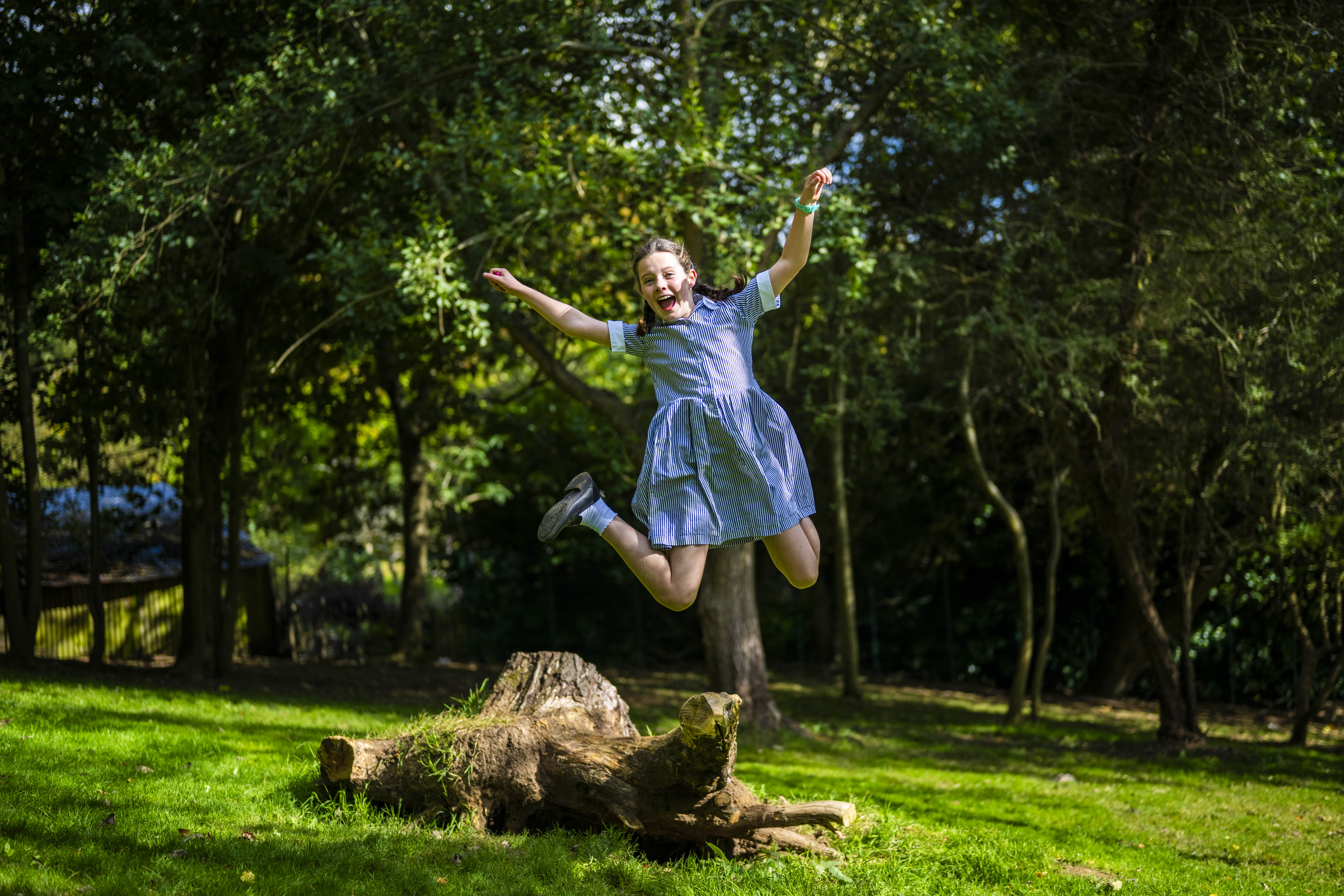
In an age of children spending increasing amounts of time indoors, the value of outdoor learning has never been greater. At Hazelwood, it is clear that some of the most meaningful learning happens beyond the classroom, where curiosity is sparked through exploration, discovery and connection with the natural world.
The Forest School programme begins in Nursery – where children are taught by a specialist Forest School teacher – and continues through to the end of Year 4. This progressive approach develops confidence, resilience and independence while building a lifelong appreciation for nature and practical skills. Whether investigating habitats, creating with natural materials or working collaboratively to solve practical challenges, every session encourages children to think creatively and learn through experience.
The continued investment in Forest School here reflects a commitment to providing children with varied, meaningful learning experiences that support both academic progress and personal development. Joyfully building on outdoor learning opportunities, the school opened a new wildlife pond in May, and is scheduled to have a purpose-built outdoor classroom constructed over the summer.
Continuously enhancing outdoor spaces this way keeps outdoor learning at the centre of school life here. These new spaces will become an integral part of the Forest School provision, giving children even greater opportunities to observe wildlife, explore ecosystems and enjoy hands-on learning in an inspiring outdoor environment.
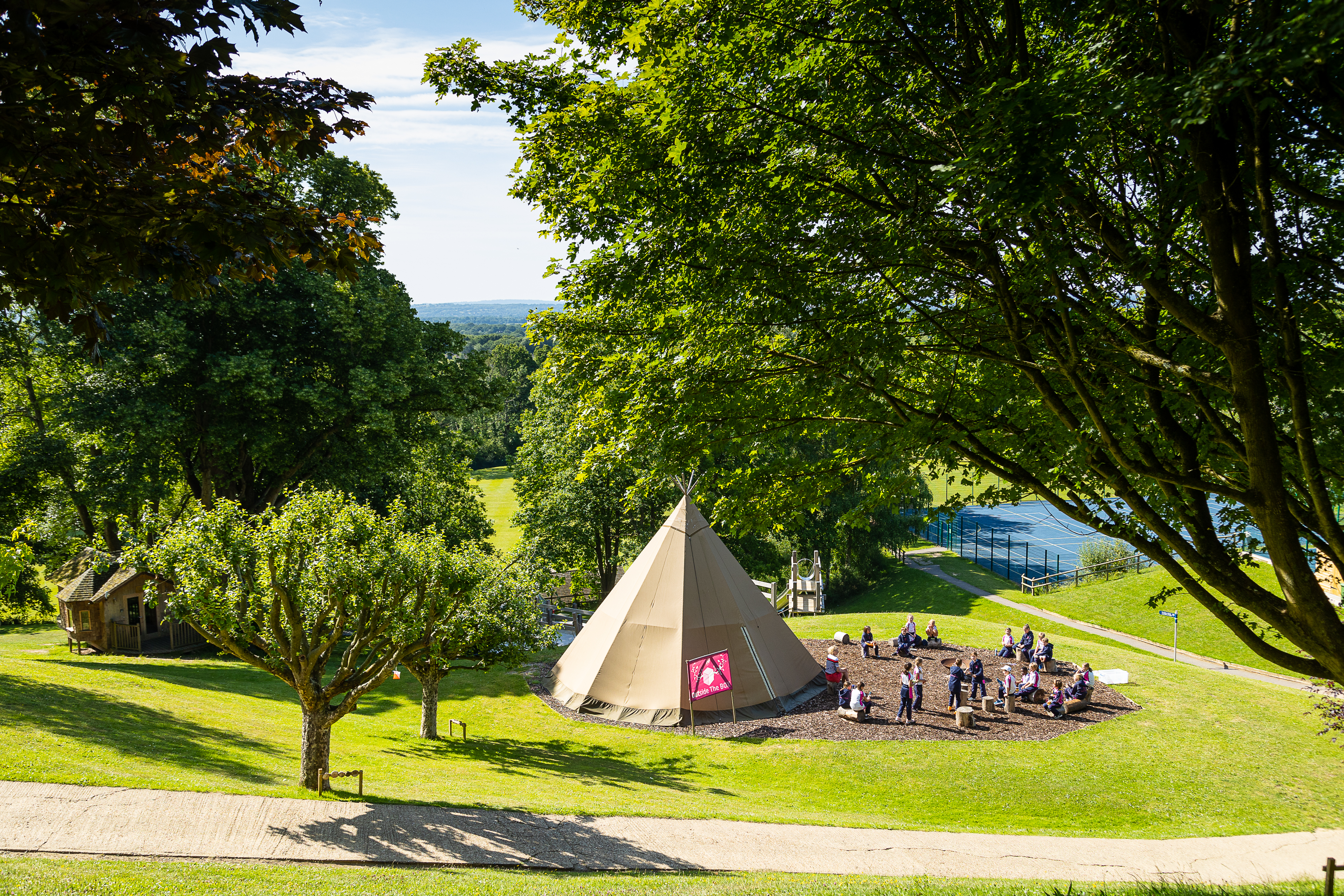
Research consistently highlights the benefits of spending time in nature, from improved concentration and physical wellbeing to reduced stress and increased confidence. Outdoor learning may simply involve taking a maths lesson outside or moving an English class to the Outside Box (another of Hazelwood’s purpose-built outdoor learning spaces). Children often find a simple change in their environment can help them concentrate better, breathe deeper and feel calmer.
At Hazelwood, outdoor education is not an occasional activity, it is an essential part of the school curriculum and ethos. By providing children with regular opportunities to learn, explore and grow in nature, the school nurtures inquisitive, resilient and environmentally aware young people who are equipped for success in school, and what’s more, for life beyond it.
hazelwoodschool.co.uk
“Research consistently highlights the benefits of spending time in nature, from improved concentration and physical wellbeing to reduced stress and increased confidence.”
Forest and farm at… Pennthorpe
Ambitious, reflective, independent, collaborative, and resilient leaders, guided by kindness, tolerance, positivity, honesty, and respect. This is the kind of children Pennthorpe finds its purpose in nurturing. And their approach to outdoor learning is vital in this guiding goal, as the launch of their new Forest and Farm project places nature at the centre of the rich, skills-based educations they provide.
Here, Forest School is held in weekly sessions set within their own woodland, a dynamic environment where the school’s core values come to life. Pupils develop resilience as they tackle physical challenges, independence as they make decisions in an open-ended environment, and collaboration as they work in teams to solve problems. Reflection is woven throughout, encouraging children to think deeply about their experiences, while positivity and ambition drive them to embrace new challenges with confidence.
Expanding outdoor opportunities, the new farm initiative introduce guinea pigs and rabbits to the pupils’ world, creating meaningful, daily experiences of leadership, care and responsibility.
Pupils learn kindness and respect as they nurture the animals, developing patience, honesty and a strong sense of accountability. These small but significant interactions help children understand their role within a wider community and environment. This is skills-based learning in its most authentic form. Whether building shelters, observing wildlife, or caring for animals, pupils are constantly practising the attributes that underpin success both in school and beyond. The outdoors becomes a powerful teacher, one that naturally cultivates curiosity, wellbeing and a deep connection to the world around them.
At Pennthorpe, outdoor learning is not an addition; it is self-expression. Through the Forest and Farm project, children grow not only in knowledge, but in character, becoming capable, compassionate individuals ready to thrive in an ever-changing world.
pennthorpe.com
The canopy, the beach and the zoo at… Bede’s
In an era of digital saturation, the true marker of a forward-thinking education is how often a pupil looks away from a screen and toward the horizon. At Bede’s, outdoor learning is not an afterthought; it is a core pedagogical philosophy. Backed by research from the Council for Learning Outside the Classroom (CLOtC) – which recently awarded Bede’s Prep their prestigious Gold LOtC Mark – immersion in nature and the great outdoors is proven to elevate academic attainment, build emotional resilience and sharpen critical thinking.
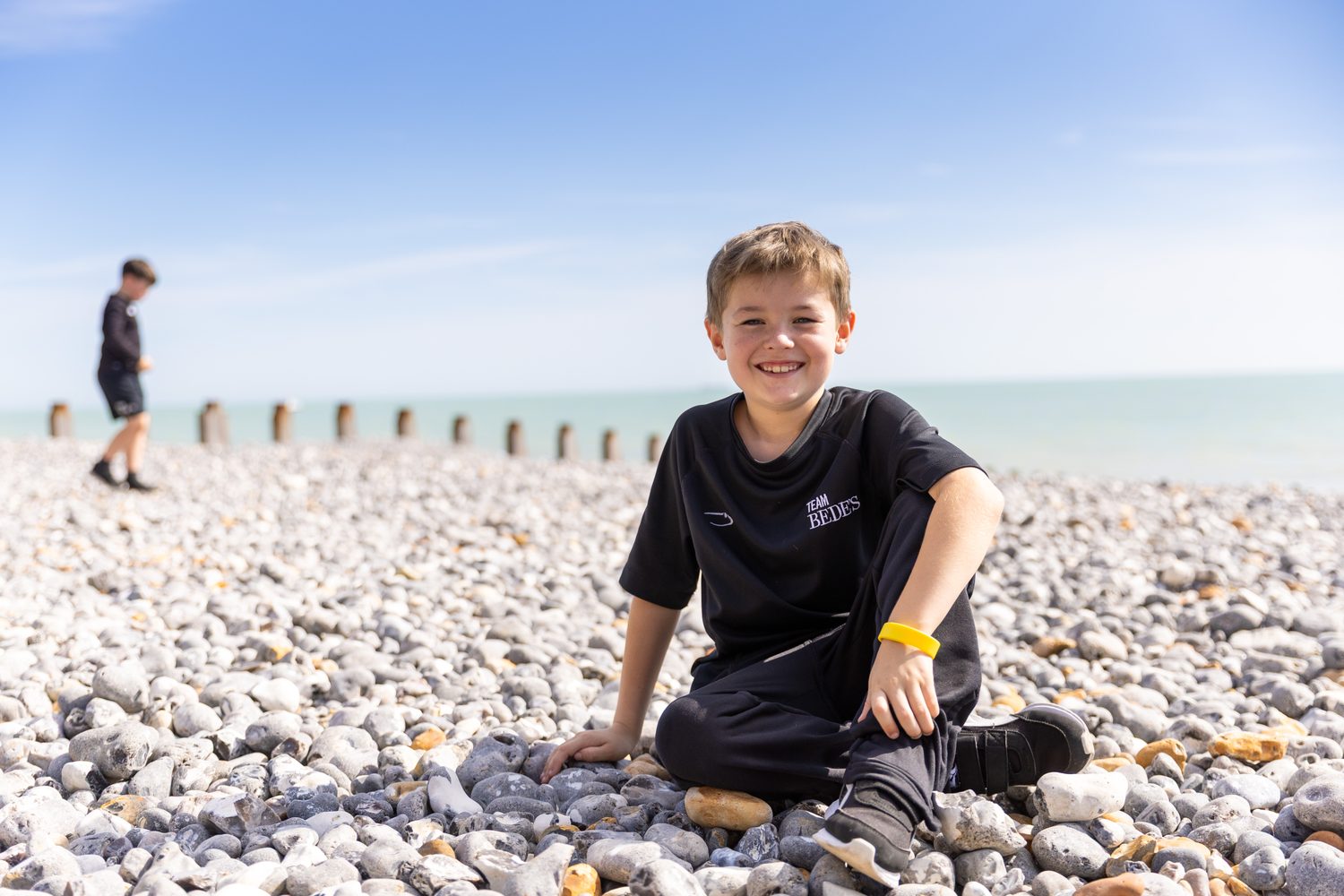
By stepping outside, abstract theories become tangible realities. At Bede’s Prep, nestled between the South Downs National Park and the stunning coastline, pupils don’t just read about ecological systems; they live them. During Beach School at Holywell beach where the South Downs meet the sea, Reception and Key Stage 1 children analyse coastal erosion first-hand, hunt through rock pools to study animal adaptation, and use pebbles for creative art projects.
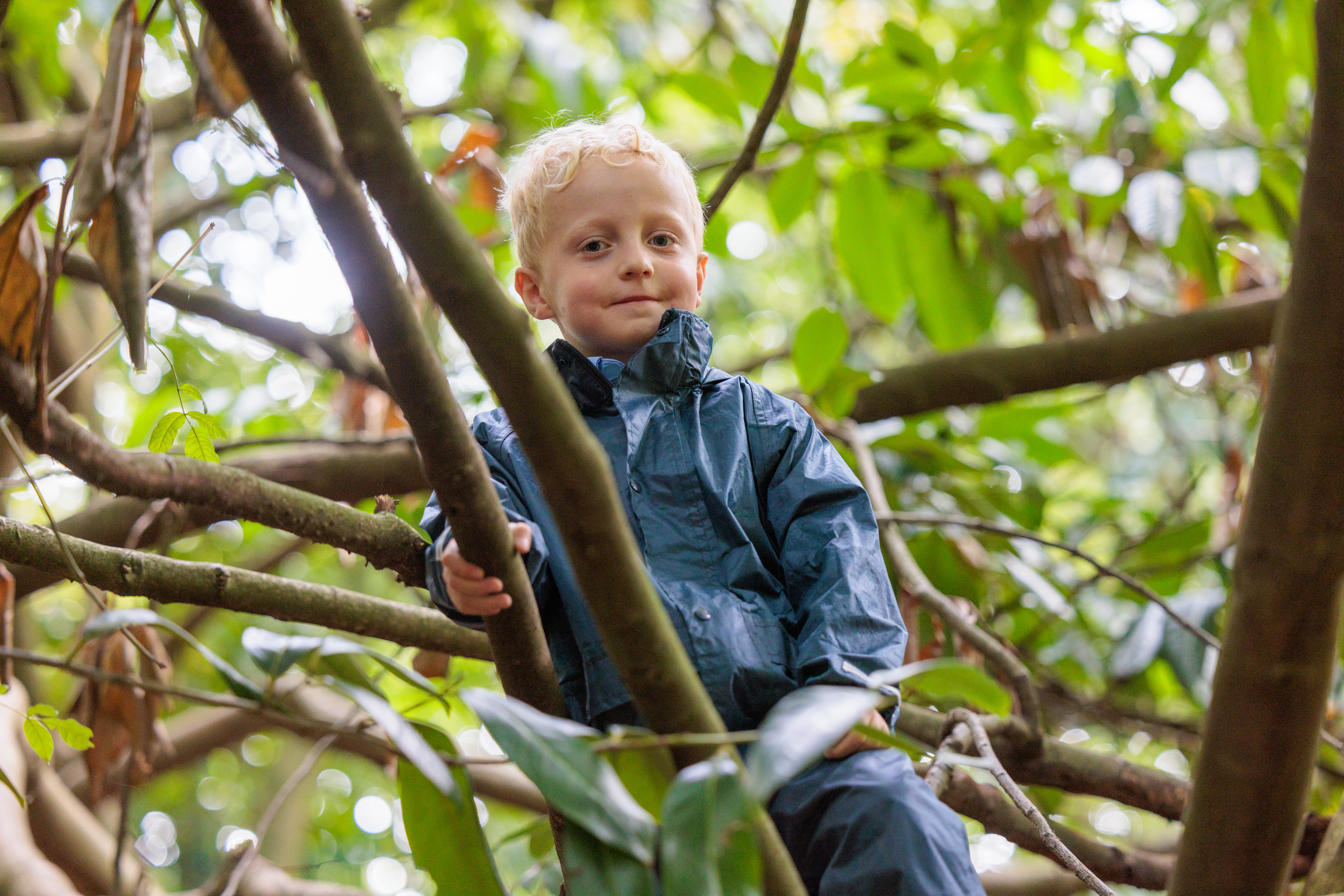
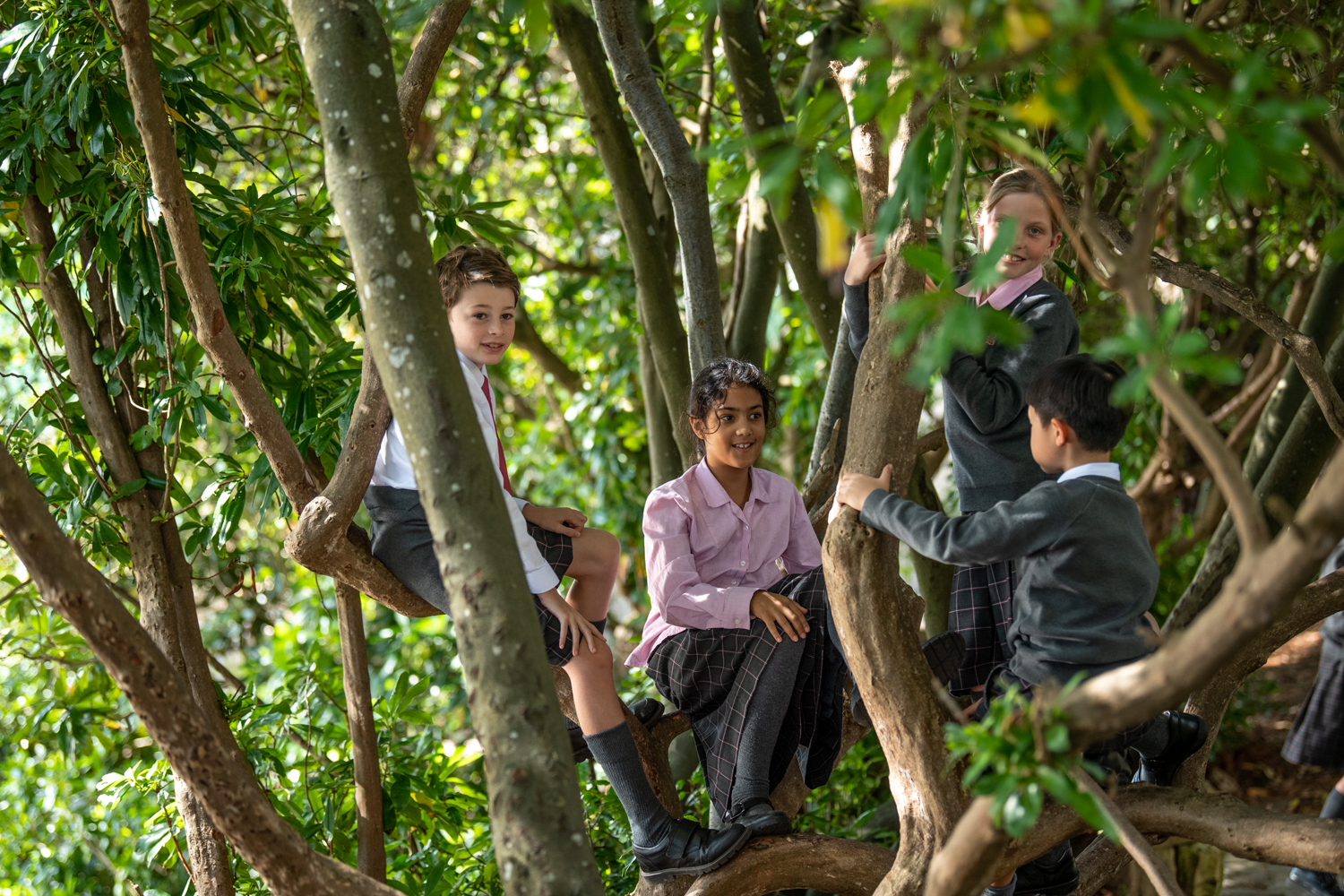
The Forest School canopy becomes a cross-curricular hub from Nursery to Year 6. Here, children build self-esteem through child-led discovery, den building and safe tool-work like whittling.
Traditional subjects migrate into the woods effortlessly: mathematics perimeters are calculated using fallen branches, science food chains are tracked in the undergrowth, and geography inspires clay totem poles crafted directly onto woodland trees.
This is reinforced by an Eco-Literacy curriculum that weaves sustainability into early reading and writing.
As pupils progress to the Senior School in Upper Dicker, East Sussex, this relationship with the environment deepens. The campus features a unique, zoological society-recognised on-site zoo, turning animal biology into a daily, hands-on masterclass even allowing pupils to go on to study BTEC Animal Management at Sixth Form. Meanwhile, the first-year Outdoor Pursuits camping trips and rigorous Duke of Edinburgh expeditions utilise the wilderness to teach self-reliance and build relationships with peers.
Beyond the UK, the curriculum expands into awe-inspiring global landscapes, where senior geographers regularly embark on transformative field trips to witness active earth sciences in motion – from traversing the tectonic rifts and glaciers of Iceland to exploring the volcanic calderas, lava tunnels, and geothermal hot springs of the Azores. By harnessing geography both at home and abroad, Bede’s ensures that the fresh air of the Downs, the coast, and the wider world doesn’t just support the curriculum – it brings it to life.
bedes.org
Wilder Learning at… Brambletye
You can’t change the world until you’ve understood it, which is why Brambletye have introduced a Wilder Learning curriculum, teaching pupils how to connect with the natural world. Brambletye is swimming against the tidal wave of EdTech, focusing less on the screen in front of the child, and prioritising the child in front of the screen. Their 140-acre estate is a pedagogical partner. Their woodland and lake provide space to adventure, explore, understand issues and work towards solutions as a team. Pupils learn in ways no classroom alone can offer through bushcraft, den-building, pond-dipping, forest bathing and painting en plein air.
Wilder Learning starts early in the children’s educational journey. In Pre-Prep, the “Deep Down Under” topic sends children diving into the world beneath the waves, while weekly Forest School gets the youngest pupils outside in all weathers, building fires, balancing on logs and learning with their hands and feet. That same energy carries right through the school. “Wild Wednesdays” sees boarders learning bushcraft skills and playing games by torchlight.
Unsurprisingly it’s the most popular boarding night of the week and proof that children choose the outdoors when given the chance.
Sustainability is a pillar of Wilder Learning and is led by our dedicated Head of ESG and a partnership with Sussex Wildlife Trust. As the Senegalese conservationist Baba Dioum put it, “In the end, we will conserve only what we love, we will love only what we understand, and we will understand only what we are taught.” Before a child can protect a woodland, a coastline or a planet, they first have to have knelt in it, swum in it, and understood it. That is exactly what Wilder Learning sets out to do.
The result of the Wilder Learning curriculum is pupils who are more curious, more connected and more alive to the world around them grounded in Brambletye’s values of Work Hard, Play Hard, Be Kind.
“Before a child can protect a woodland, a coastline or a planet, they first have to have knelt in it, swum in it, and understood it.”
You may also like
Newsboard
We hear about the latest goings on in education… Scholarships open at Millfield… Millfield offers a unique opportunity to balance exceptional academics alongside elite sport pathways.Academics are broad with GCSEs, BTECs and A levels offered in a variety of subjects...

University Challenge
Does the idea of helping your youngster with their university options feel a bit much? Here, Emily Pavey gives a few pointers Let’s be honest, my only qualification for giving my two penneth is that I’m mum to two boys...

Mind the Message
Former head teacher Mike Piercy explains how to communicate effectively with your child’s school without taking offence I was horrified to hear from my son that he’d been told off by an angry Mr X for having his shirt untucked....