There’s much to be gleaned from the Harry Potter book series when it comes to language and emotional intelligence, explains former headteacher Mike Piercy
How many of us watched a Harry Potter film over the Christmas period? Our children grew up with Harry Potter. Our niece Eva has read the lot and she’s only eleven. What a fantastic world J K Rowling created – fantastic in the original and contemporary sense.
Over eleven years, 2001-11, the books moved to the big screen becoming one of the biggest ever film franchises. The special effects are still impressive even when considering the subsequent, huge leaps forward in computer-generated imagery. A particular favourite of mine is the whomping willow. As to the actors, it is widely held in the world of film that success too young can hamper progress in an adult career.
It is the books, however, where it all began. As Head of one school I had a parent who held a lofty position in a publishing company – one of the twelve which rejected Harry Potter. She was remarkably philosophical. We have to admire J K Rowling’s persistence and resilience and there is little doubt the quality of her writing went from strength to strength. Written in just ten years the series has sold in excess of 500 million.
Unsurprisingly, as a former English teacher, I have a passion for language and literature. The stories are well told and translate beautifully into screenplays. We enjoy the characters and their development, the plots and suspense; but how much do we notice of the language?
It all started with ‘The Philosopher’s Stone’ and there is much philosophical comment in both books and films if we look closely enough. This is the season for new year’s resolutions and I hope our young people might find something to ponder herein as we head into 2026.
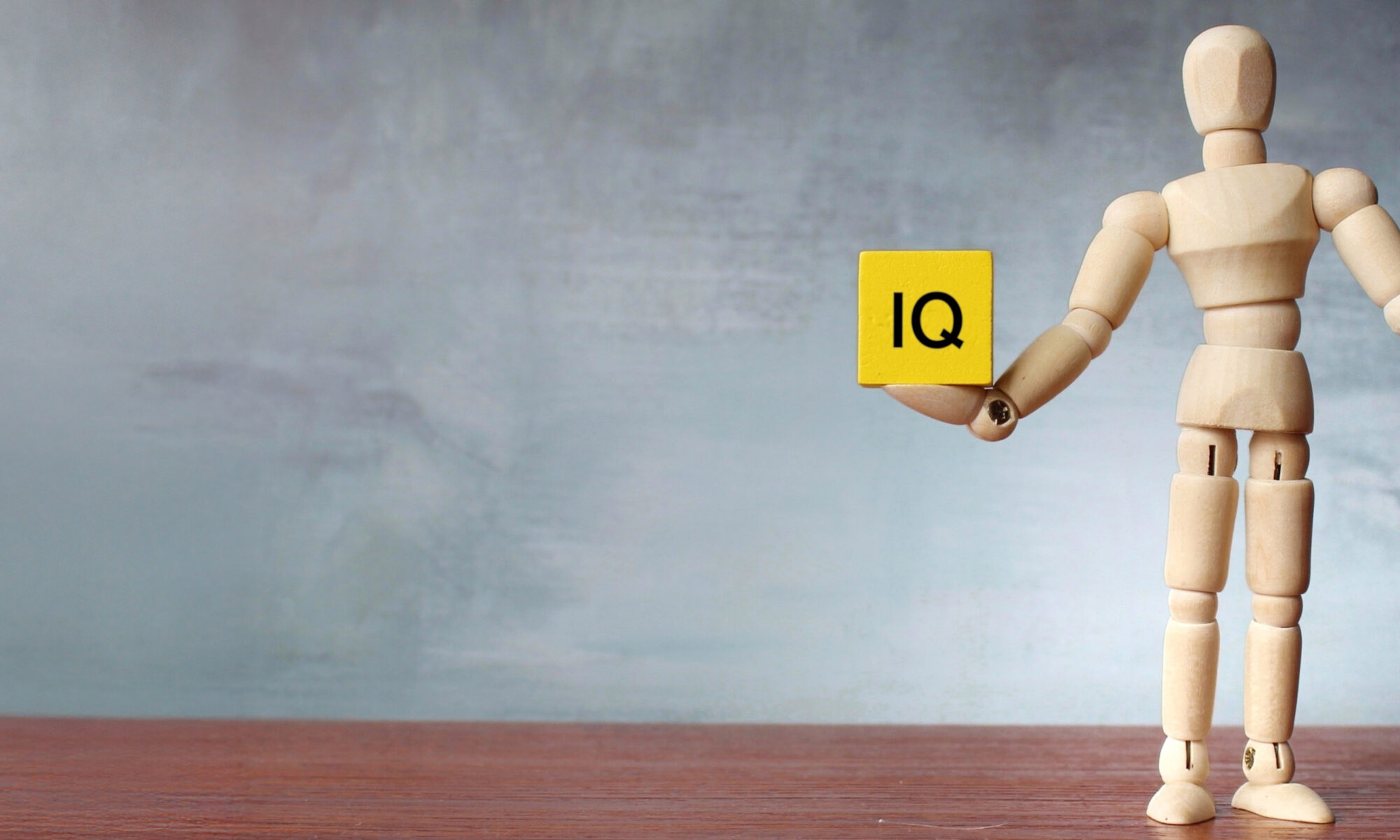
Firstly, emotional intelligence: EQ. Such a key attribute in any walk of life. In Order of the Phoenix, Hermione recognises this in her comment to Ron, yet, conversely, is she blind to the irony of her words? Nonetheless, it’s a great line:
‘Just because you have the emotional range of a teaspoon doesn’t mean we all have.’
Sirius Black also lacks political correctness when
he reprises Kipling’s rather more elegantly expressed advice in If, suggesting we should be able to walk with kings ‘and not lose the common touch’:
‘If you want to know what a man’s like, take a good look at how he treats his inferiors, not his equals.’
The books and films are littered with similarly delightful, pithy, philosophical phrases.
It is Dumbledore, however, who repeatedly comes out with profound, thought-provoking epithets. He gently chastises us in The Half Blood Prince; adults who think they know it all. We should never disregard the fresh perceptions of the young:
‘Age is foolish and forgetful when it underestimates youth.’
As the wisest of Headteachers, he encourages us to take care with language. The old adage of ‘sticks and stones can break my bones but words will never hurt me’ has thankfully long been consigned to trash. His words in the film Deathly Hallows provide sound advice:
‘Words are, in my not-so-humble opinion, our most inexhaustible source of magic. Capable of both inflicting injury, and remedying it.’
My favourite line of all is from The Chamber of Secrets, beautifully, succinctly summarising a fundamental lesson in life for our children as they learn to recognise that every decision, every action, has a consequence. Once again, it is emotional intelligence, empathy and value-based judgment which can determine a happy and successful life.
‘It is our choices, Harry, that show what we truly are, far more than our abilities.’
Finally, before Harry’s first school dinner, Dumbledore’s dry sense of humour is apparent. Words again:
‘Before we begin our banquet, I would like to say a few words. And here they are: Nitwit! Blubber! Oddment! Tweak!’
Some thoughts to take into the new year and with very good wishes for 2026.
Mike’s book, Careering, is available now with troubador.co.uk.
You can contact Mike at mikepiercy@hotmail.com
with your education-related queries.
You may also like
Newsboard
Two schools tell us about their latest goings on and invite you to visit… Free to be Me at Bansted Prep At Banstead Prep our focus is on joyful, future-ready learning where every child is Free to be Me –...
What’s Next?
Sixth form is a crucial stage with decisions to be made.We hear from two schools about how they prepare students for their onward journey School 1: Bede’s At Bede’s, while we focus on a joyful school experience, we also recognise...

Awesome Stuff
We hear about STEM – where sparks fly and imaginations fire Halliford school… Each year at Halliford School a dedicated enrichment week is held, including a full Robotics Day during which students learn hands-on skills such as soldering a PCB...