Jo Arnell is taking a leaf out of a new book – Thames Ditton and Weston Green Nature and Climate Festival’s Live Life Better, to be exact – to bring us a crop of exellent advice for environmentally friendly gardening
It can sometimes feel that the small amount we do individually to live – and garden – sustainably is like whistling, not just in the wind, but in a howling gale. Does it make any difference at all? Really? Well, yes it does. Small actions and small steps seem insignificant, but if we all take them, they will add up. Bringing individuals together, forming a community with the same aims, makes an impact. You don’t have to write a book, or organise a festival in order to affect change, but it does help to garner enthusiasm.
In 2022 the Thames Ditton and Weston Green Nature and Climate Festival was set up with an aim to celebrate the environment, raise awareness – and make a difference. Now the team behind the festival have written a book. Co-founder and Thames Ditton resident Gill Coates explains: “We have combined the best hints and tips from previous festival contributors into a handbook for sustainable living. The result isLive Life Better, a comprehensive but easy-to-follow guide with advice on everything from the obvious, like reducing energy use or greener gardening, to more unusual topics like sustainable travel, how to detoxify your home and how to reduce your exposure to microplastics.” Here are some of the easy to achieve, life affirming things that can be done in the garden.
Recycling & Composting
‘The greenest purchase is the one you don’t make’ says the guide. Making do and mending is something that we used to be really good at, when things were scarce, belongings were fewer and craftsmanship was widely valued. We can easily tap into a more frugal mindset in the garden by re-using as much as we can. Pots and seed trays can be washed and stored in between uses – you can even use yoghurt pots, takeaway tubs, mushroom and fruit punnets as make-shift containers, punching drainage holes where necessary – and any clear ones can be used as lids and cloches. Rainwater is much better for plants – and whatever we can do to reduce mains water use will be of benefit. It is becoming almost mandatory to have a water butt now that we have droughts so often – and dreaded hosepipe bans. Try to reduce the use of water by using larger pots that need watering less often and plants that are more resilient in drier conditions. A thick layer of mulch, applied in autumn, winter or early spring, will also help to reduce moisture loss, improve soil structure and help suppress weeds.
Twickenham resident (and once upon a time my wonderful gardening tutor) Joy Lee has been making compost since the 1950s. ‘We were always taught to have three compost heaps in rotation; one you are using, one which is rotting down, and one which you are filling. It’s always worked for me.’ And heaps are fine, you don’t need an expensive composting bin. The secret is to keep the compost heap warm and moist, but not wet, so cover with a piece of old carpet, or an empty plastic sack. Turn the heap occasionally and aim for a 50:50 mix of green waste (fresh leafy material, kitchen peelings) and brown (dry leaves, torn cardboard, scrunched paper, chopped up woody prunings).
No Dig
The theory is that digging does more harm than good – to many more things than just your back. Soil structure is damaged, creatures are disturbed (a worm divided is not doubled, but dead) the balance of micro-organisms and mycorrhizal networks are turned upside-down, weed seeds are brought up to the surface and generally everyone is upset. If you are faced with a weed infested patch, place a sheet of cardboard over it and add a generous layer of compost on top. You can cut a cross shape through the card, plant and then fold it back over, no need to remove the weeds, they will be smothered by the cardboard and mulch.
Garden Organically
We are more aware of the benefits of organic gardening these days and thankfully have learned not to drench our gardens in chemicals. There are organic methods to help combat weeds – like no
dig, and mulching, together with an understanding of their part in the ecosystem – they are native wildflowers after all. There are friendlier ways to deter unwanted visitors too (they are not called pests now, but part of the wider ecosystem): grow companion plants to confuse them and attract in predators. Pick them off if you’re not too squeamish, and generally encourage a healthy balance so that infestations don’t occur.
If we grow healthy plants – that are not stressed, planted in the wrong place or crammed too close together, they will be more resilient, more able to fend off attack and more able to recover. Learning a little about the origin of our garden plants, where in the world they came from, will help us to locate the right place to grow them. It’s not easy to replicate the foothills of the Himalayas in your garden, but there might be a semi-shaded slope somewhere that will almost do.
Garden for Wildlife
Again, this is about balance – your garden doesn’t have to become a wildlife park or neglected mess. Wildlife habitats can be very beautiful. The single best thing you can do is to make a pond, but even a dish of water or a butterfly puddle (a shallow patch of damp sand) will provide water for small creatures.
Provide shelter by planting a hedge or shrubbery and make log and leaf piles. Create areas of long grass, perhaps with paths mown through or around them, then it doesn’t look like you’ve forgotten your lawn, and leave a few undisturbed corners for creatures to nest in.
Nectar borders, plants with seed heads, berries and fruit will provide food through the year, but remember that larval stages of many insects depend on other native plants – like stinging nettles, ivy and wild grasses – it’s not just a question of growing the right flowers, but of creating habitats, so that the wildlife feels at home.
Some of us itch to cut everything down in autumn, to tidy up and ‘put the garden to bed’, but that leaves nowhere for the creatures to sleep, no shelter against the winter chill. Try to resist the urge and leave those stems, sticks and seed heads – and actually some of these can look rather magical in the frost and winter light, not such a mess after all.
Grow your Own Vegetables & Cut Flowers
You don’t have to go all out and become self-sufficient, but anyone who’s grown edible crops knows that their own freshly picked, straight-to-the-plate food tastes so much better than shop bought. If you add to that the air miles, car miles and amount of waste (wonky veg is not always welcome at supermarkets) it makes sense to grow some of your own. Even a few herbs in pots, or salad leaves in a window box counts.
Planting flowers in and around the veg patch will bring pollinators and predators to help keep your patch healthy. Many of those that are useful as companion plants can double up as cut flowers, saving more air miles and reducing all the plastic packaging that surrounds our shop bought blooms. Grow a combination of long-stemmed annuals, some perennials and a few shrubs or foliage plants and you’ll have something to pick from your own patch all the year round.
Some of these things may seem insignificant, but they will add up. The Live Life Betterfestival, and now the book, has lots of really useful ideas that can help us to see that if each of us takes even one small step, those actions can build into substantial change.
If you’d like to read Live Life Better yourself, it is available to purchase on Amazon for £16 or you can download for free online at: heyzine.com
Jo’s new gardening courses
are now booking. To learn more, call 07923 969634 or find more info online at hornbrookmanor.co.uk
You may also like
Meet the Garden Designer
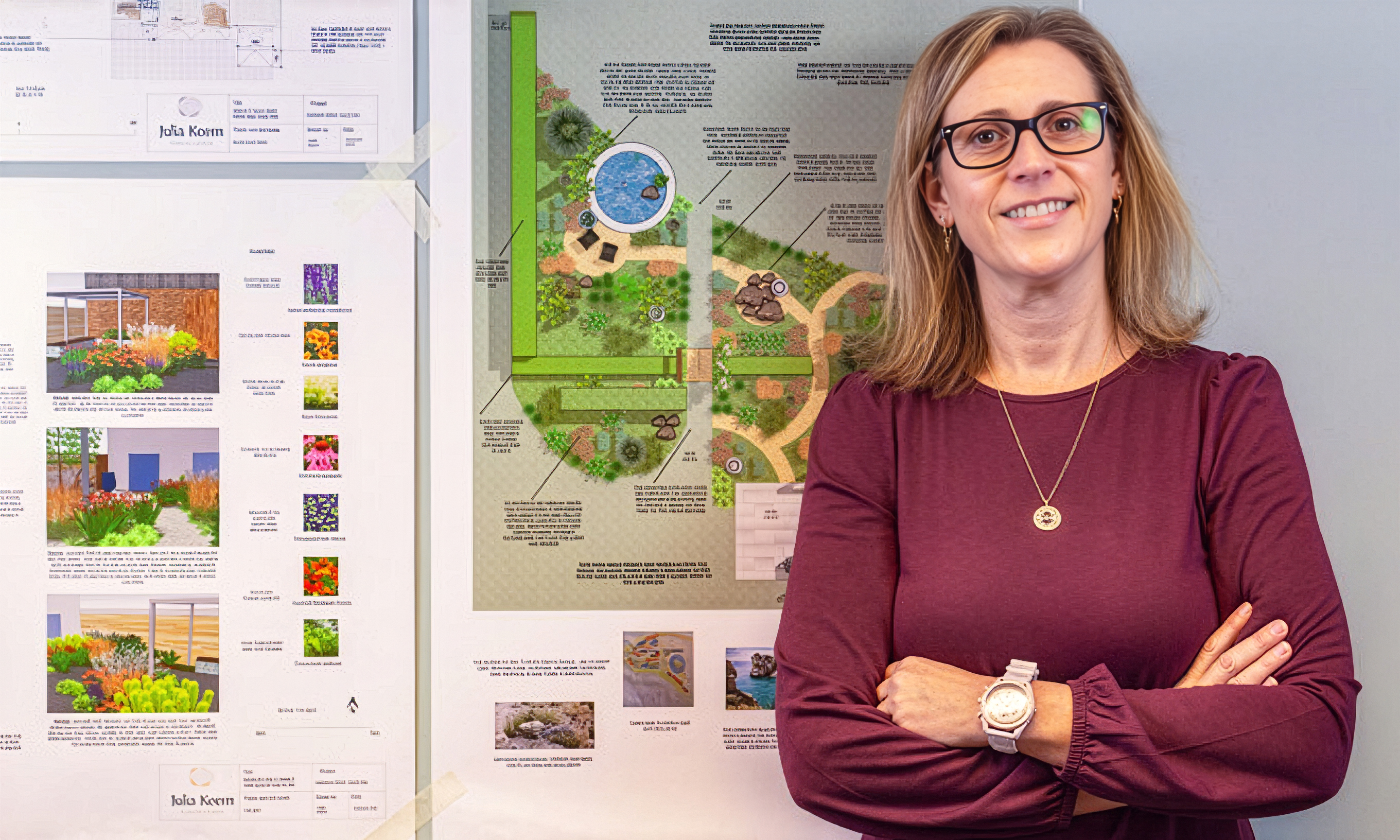
Introducing Julia Keem, a local Garden Designer who has built and planted gorgeous gardens across Kent, Sussex and South East London How did you know you wanted to be a garden designer? Feeling underwhelmed with my office job in 2008...
6 Ways to Add Value Through Your Garden
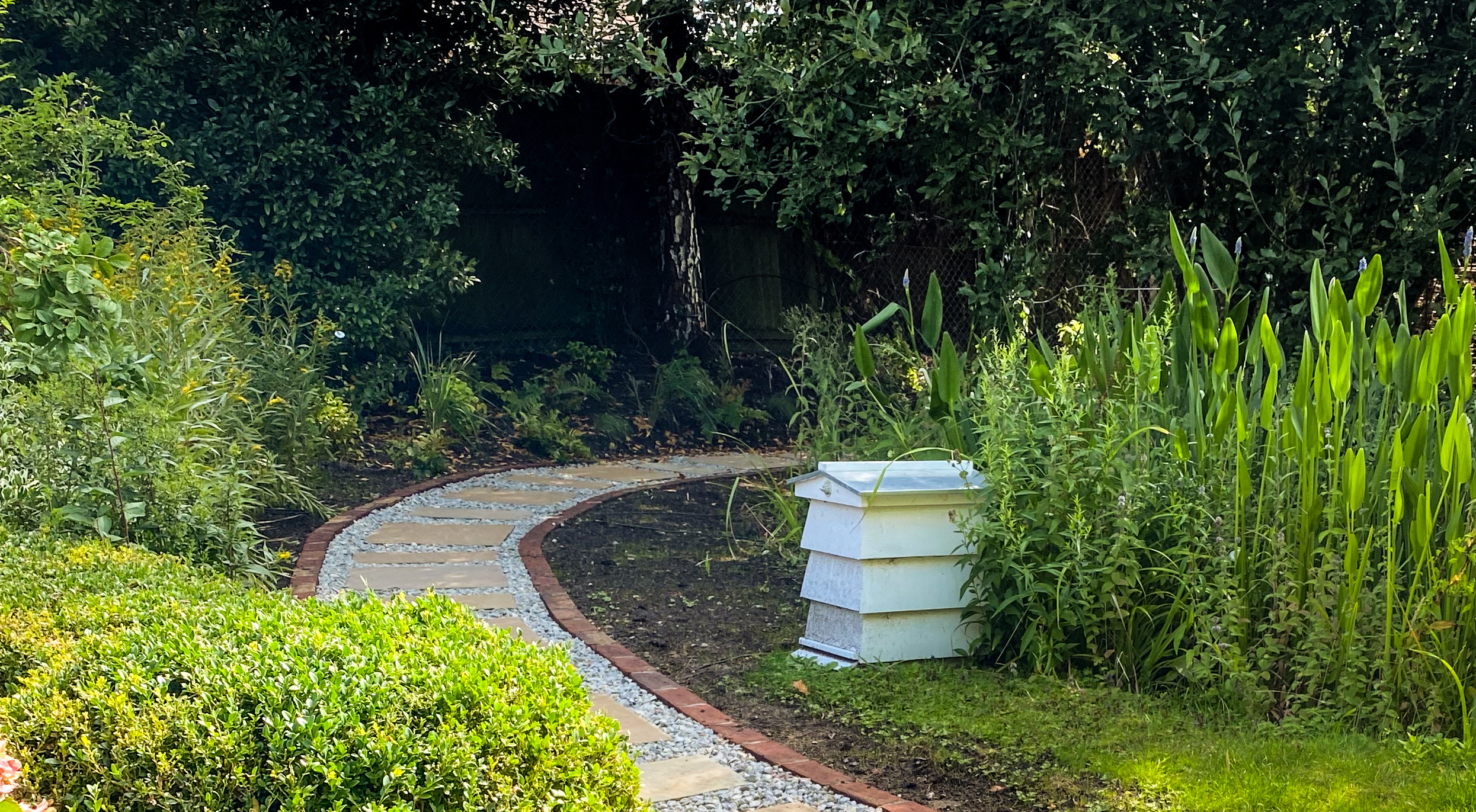
When adding value to a home, the best method may be waiting outside 1 The Art of the Journey Ink to Barrow believe a garden’s true potential is unlocked through its structure. A thoughtfully designed path does more than provide a...
At the heart of the garden
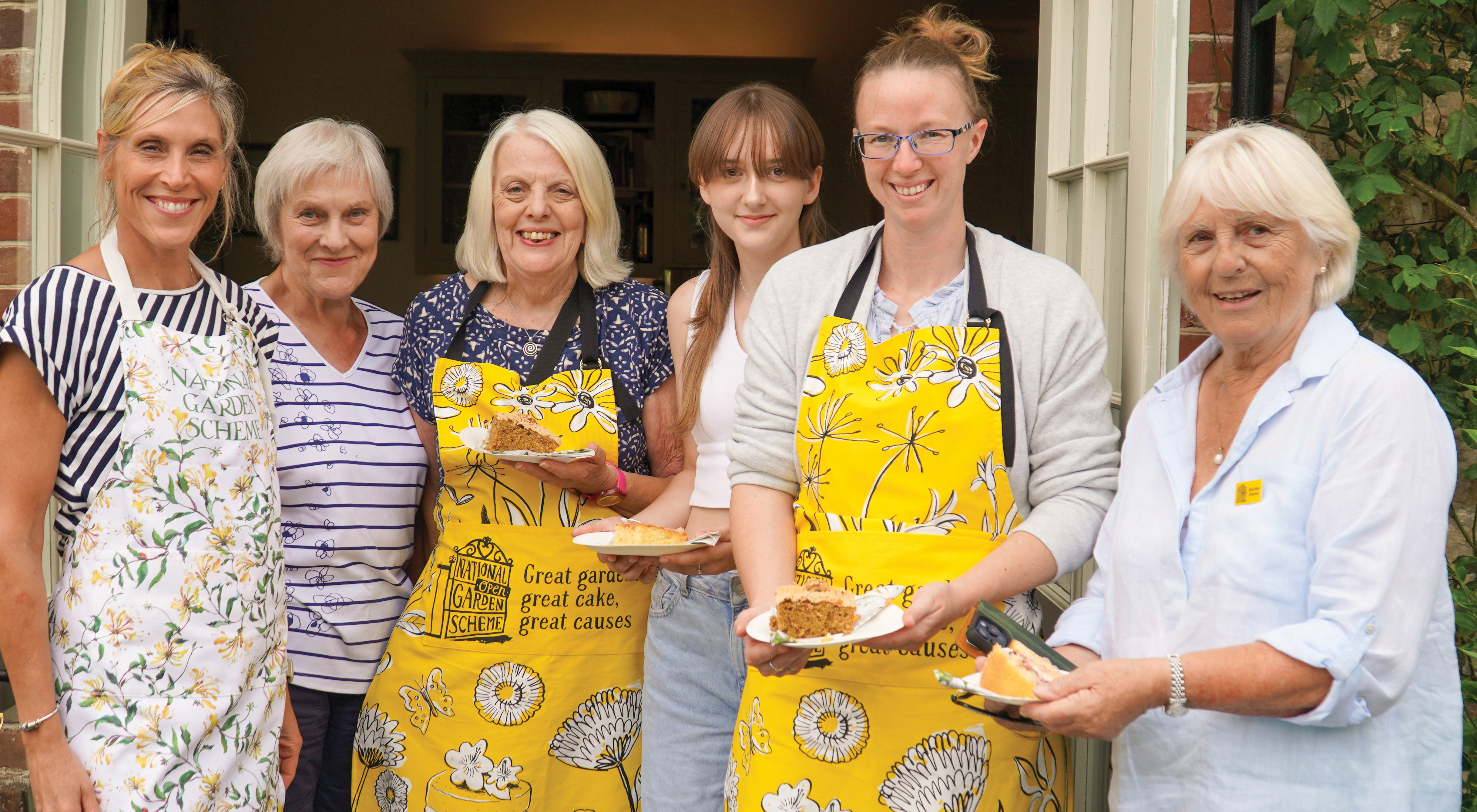
Jo Arnell speaks to Vicky Flynn at National Garden Scheme about the horticultural gems open in aid of nursing, health and gardening charities across the South East For almost 100 years the National Garden Scheme has been opening gorgeous gardens...