Jo Arnell tackles the complexities of this often dreaded garden task
Pruning can seem daunting – and sometimes like one of the dark arts – every plant seems to need a different approach at some other time of the year. It is all much easier to understand in practice than it is on paper, when you can look directly at the plant, but I shall attempt to simplify a few of the main pruning tasks – just one for each month of the year.
There are some general things to consider – I won’t say rules, because plants don’t always abide by them, they don’t read books either and they don’t spring out of the ground with a pair of secateurs attached, In fact they don’t get a say in the matter – thank goodness, or they’d all say ‘no cutting thanks!’
We need to think first about what we want from the plant – to reduce its size? Keep it tidy? Encourage healthy new growth, or bigger flowers? This will determine when and how you will prune.
Next think about what happens when you make the cut. You will be removing the stem tip – the bit that is actively growing – and when you do this you cut off the supply of growth hormones which also inhibit growth lower down the stem, so pruning will encourage the lower shoots to start growing, until one becomes dominant and the process starts again. If you cut plants back in late winter or early spring when hormone levels are high and roots have lots of energy, you will encourage growth, but if you prune in summer and autumn you’ll be cutting off energy producing shoots, so growth will be slower, hormone levels lower and regrowth will be inhibited.
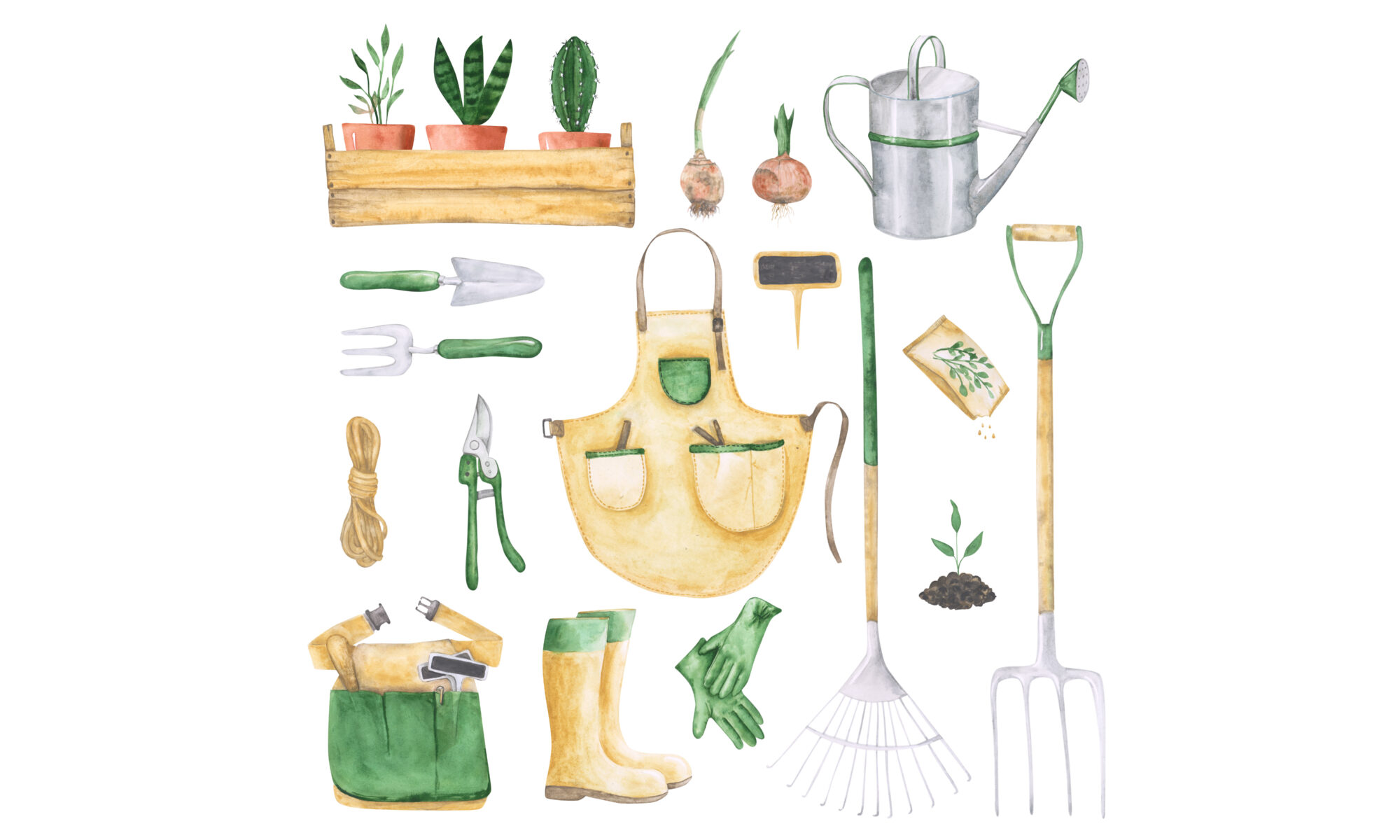
Finally, use clean, sharp pruning tools to avoid damaging stems and infecting cut surfaces. The most useful implement will be your secateurs, but for thicker stems use loppers (heavy duty secateurs with longer arms), or a pruning saw. Shears, hedge trimmers and clippers are great for topiary and hedging, where you are regularly cutting off little amounts. Smaller snips are great for dead-heading and cut flowers.
Think carefully about the task before you start – jobs involving big ladders or chainsaws are probably best left to professionals – gardening can be dangerous.
Winter
Pruning in winter is carried out to encourage healthy new growth. Regenerative pruning of tired old shrubs can be done in late winter and early spring. Don’t prune spring flowering shrubs or you’ll cut off all the flower buds
Just one thing:
January – prune roses – any time from the middle of January onwards (try to finish by March when the sap starts to rise). Shrub roses and climbers (ie not species roses or ramblers) can be hard pruned to a framework now to encourage strong stems and fewer, but bigger flowers. Aim to make a goblet shape if you can – open up the centre of the bush and try to cut the stems to an outward-facing bud. This can be easier said than done, but stops stems from crossing over and getting congested.
February – cut back deciduous grasses right to the ground (but do not cut evergreens like Stipa gigantea).
Do this before the new growth starts. This avoids a mess of dead stems getting in the way of all the fresh shoots. If the grass is big and unwieldy, tie it into a bundle first, then cut.
Spring
The sap is rising, buds are bursting and growth is starting. Early spring is the time to prune shrubs that flower on the current season’s growth, ie those that bloom in late summer, like Buddleia, Abelia grandiflora and Hydrangeas.
Just one thing:
March – coppice (cut back to the ground) any Dogwoods (Cornus).that you are growing for winter stem interest, as it is the young shoots that spring up straight that will have the best colour. Older stems tend to turn brown. The most vigorous varieties should be cut back hard, but some of the newer cultivars might need less severe treatment, so perhaps leave a few of the younger stems on these.
April – Prune more tender evergreens like Hebes once the danger of hard frost has gone.
May – Chelsea Chop late flowering perennials. The idea is to cut back late flowering summer perennials by a third at the end of May (Chelsea Flower show time) the plants will be more compact and not flop over by the time they are ready to flower.
Summer
The garden is in full swing now – and the first flush of June blooms will be coming to an end, making way for late summer colour. It could be time for a tidy up.
Just one thing:
June – Prune any early flowering shrubs. These bloom on the previous season’s wood and need time to grow and ripen in order to flower well in the following spring and early summer. They don’t want to be hard-pruned, unless they’ve grown too big and unshapely, so just trim back any shoots that have finished flowering.
July – The big trim – cut back all the cottage garden perennials – Lupins, Delphiniums, Geraniums etc – that have already flowered. This will neaten them up and with any luck they’ll bloom again later in the summer.
August – prune Lavender as soon as it has finished flowering and as hard as you dare without cutting into the old, bare wood. This will reinvigorate and stop it getting too leggy.
Autumn
We used to ‘put our gardens to bed’ at this time of the year, but nowadays there’s still lots of colour and interest in the autumn garden – and even as the colour fades wildlife need overwintering places among the old stems and fallen leaves.
Just one thing:
September – prune any evergreen hedges by the end of September so that new growth has time to harden off before the winter sets in. This will smarten up topiary and boundary hedges and they should stay looking smart until the growing season gets under way next year.
It is illegal to cut hedges between March and August, because of nesting birds.
October – a judicious edit might be needed. Cut back messy top growth where necessary, but leave those plants that die gracefully, and any with seed-heads. These not only look good in the low light of autumn and on frosty mornings, but are also vital sources of food and shelter for wildlife.
November – The dormant season starts in mid-November and ends at the end of March. Deciduous hedges can be pruned now, but leave those with berries until later in the winter.
Christmas
The festive season is for me, a time when I disobey all the above and snip little bits off lots of things to make a wreath or some decorations. Be careful if you are trimming from more tender evergreens – plants like Pittosporums and Hebes, as these can suffer from frost damage in cold snaps, but hardy shrubs should manage.
Just one thing:
December – once you’ve picked a few evergreens to decorate with, hang up your secateurs for a bit and rest on your laurels!
This is not a comprehensive guide to pruning, but it should help to spread the chores through the months and prevent the overwhelm – although I do know someone who swears by having a ‘Pruning Day’ some time in July, when they cut back everything in the garden regardless of when it flowers or what it is supposed to do. It’s a tempting thought.
Jo’s new gardening courses for 2026 are now booking hornbrookmanor.co.uk.
You may also like

At the heart of the garden
Jo Arnell speaks to Vicky Flynn at National Garden Scheme about the horticultural gems open in aid of nursing, health and gardening charities across the South East For almost 100 years the National Garden Scheme has been opening gorgeous gardens...
The Bravest Blooms
Banish the winter blues – cheer up pots and borders with some welcome early flowers with expert advice from Jo Arnell February is a short, sharp month – some years shorter (and sharper) than others – but the light is...
In the bleak midwinter
Jo Arnell explains how to brave the dark and chilly winter blues with a little help from your garden Winter can be hard for some of us and Seasonal Affective Disorder (SAD) is a real thing, linked to the lack...