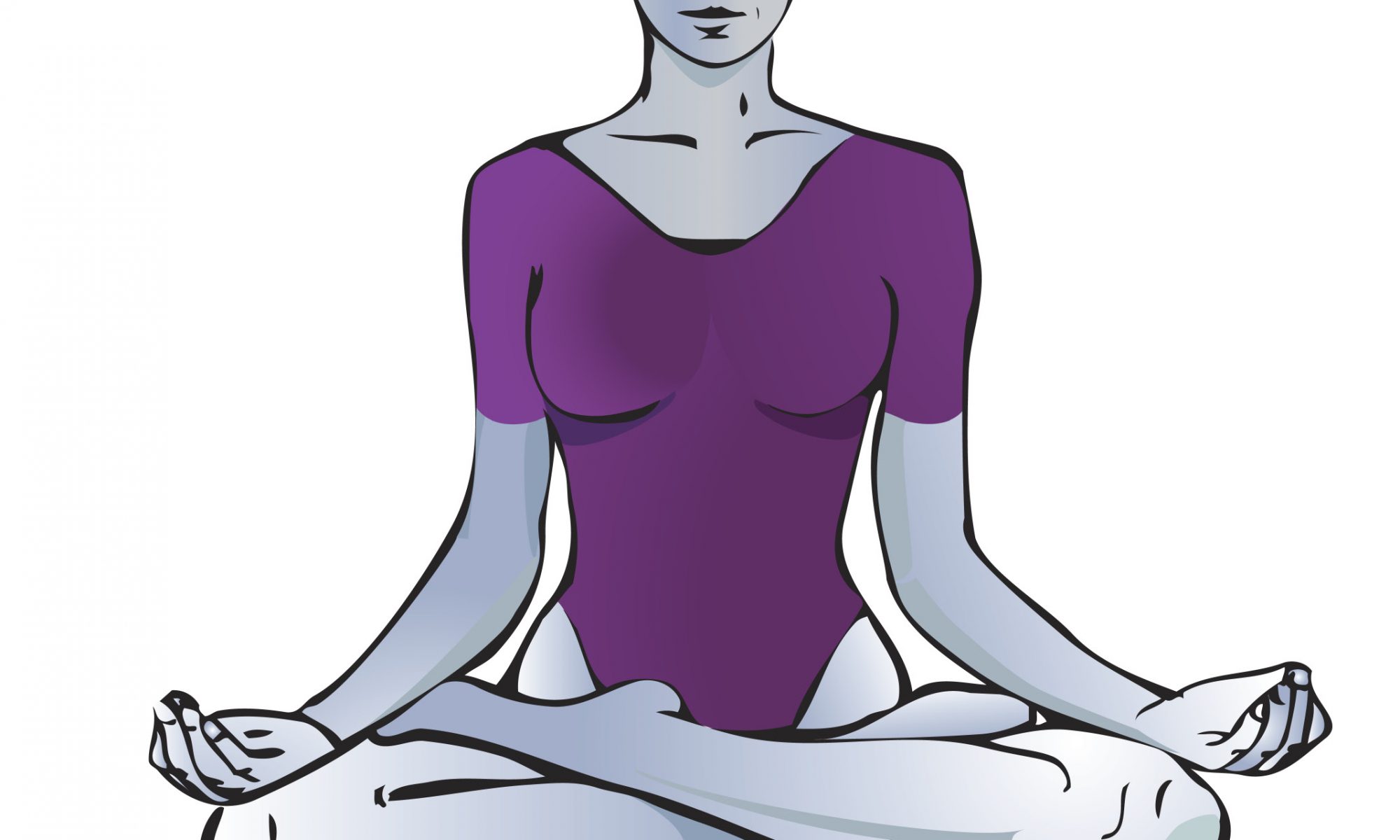
The yoga that we practise in the West today developed over thousands of years from a series of postures designed to help Indian holy men sit for long periods in meditation. The Indian sage Patanjali wrote the first user manual for yogis around 2000 years ago. In it he divides yoga into eight parts, only one of which describes the physical postures we now think of as yoga. The remaining seven include ethical standards, breathing, meditation and – the ultimate goal – the bliss of union with something greater than ourselves. And that is what the word yoga really means, ‘union’, the coming together of mind, body and spirit.
WHAT ARE THE BENEFITS?
Yoga is well known for improving flexibility but it also helps build strong muscles and improve general fitness. Twists and bends can aid digestive and elimination systems while emphasis on the breath improves lung capacity. Yoga is not just for bendy beauties, it’s good for all of us and it works for all stages of life: pregnancy classes provide safe and gentle exercises to prepare for birth, while classes for older people improve balance and provide gentle stretches to keep mobile. Yoga also helps the mind. The savasana relaxation at the end of a yoga class and the emphasis on movement and breath working together give yoga practice its relaxing and meditative quality, while breathing exercises improve concentration and help relieve tension at the end of a working day.
TYPES OF YOGA
Yoga arrived in the West in the 1890s, and since then there’s been a cross-fertilisation of philosophies and ideas resulting in many different schools. This can be confusing when choosing a class, but on the plus side it means that, whatever your age, fitness or flexibility, there is a style of yoga for you. Despite their differences, most styles of yoga share the emphasis on breath, the postures, the final relaxation and core yogic values. See the box on the right for more detail on different styles.
HOW DO I START?
Find a style of yoga which appeals to you and then, if you’re new to yoga, always start with a beginners’ class. Be prepared to try a class before signing up to a course – it’s important that you like your teacher but even more important that your safety is their priority. If they don’t ask you about any health issues and emphasise the correct – and safe – way of doing each posture then move onto the next class. If your first class doesn’t work out for any reason, keep trying, the benefits of yoga are well worth the effort.
Finally, one of the greatest things about yoga is that it doesn’t require much financial outlay, all you’ll need is a yoga mat to stop your feet from slipping, loose clothing and a light blanket to cover you during relaxation. A tiny investment for such huge rewards.
- words: Julie Simpson
You may also like

Cortisol crisis?
Sarah Maxwell takes a look at the effects exercise has on the body’s stress levels Cortisol has become one of the most talked-about hormones in modern health – and not without reason. Commonly labelled the “stress hormone,” it’s often blamed...

Small changes big results
Nutrition & Lifestyle Coach Charlotte Lau explores the benefits of a walk after dinner April signals renewal; the air smells fresher, the garden begins to bloom, and the evenings are lighter. This month’s simple shift focuses on movement that’s easy, restorative,...

Farm Fables
Jane looks forward to the arrival of the Coopers Farm rare breed Easter chicks Easter is quite early this year. Unlike most festivals it’s not a fixed date in the calendar and it’s not easy to work out when it...