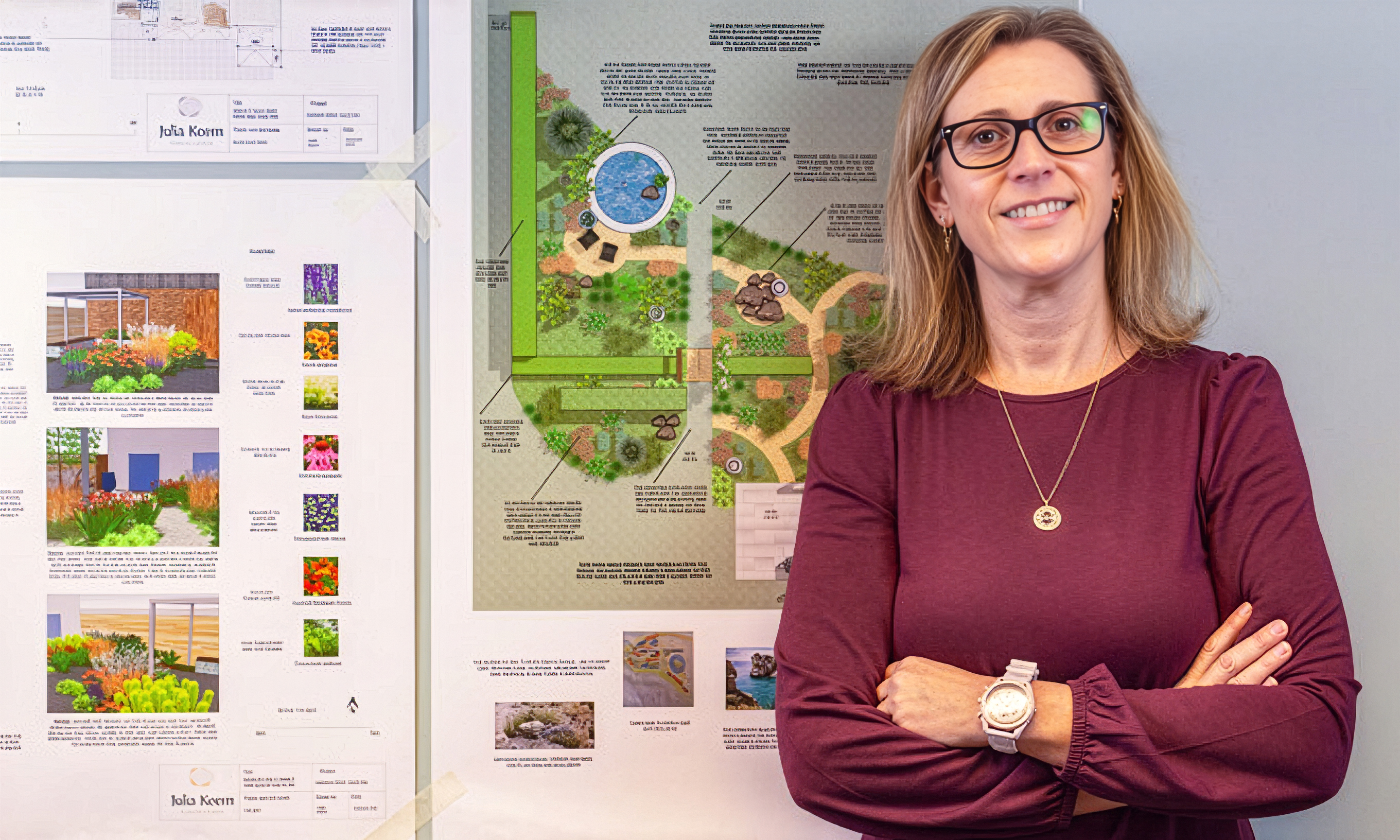
Introducing Julia Keem, a local Garden Designer who has built and planted gorgeous gardens across Kent, Sussex and South East London
How did you know you wanted to be a garden designer?
Feeling underwhelmed with my office job in 2008 and having become interested in my own garden, I started to look around at learning more and came across the garden design course at Hadlow College. After the first year of study I won a scholarship to train at Great Dixter and volunteered on two of James Wong’s gardens at the Chelsea Flower Show. It was then I realised that this was a career I wanted to undertake permanently.
What would you say is your design aesthetic?
I take inspiration from what’s around the space so that it complements what’s already there. This might be a traditional brick or Kent peg tile, a view or natural feature. I use a lot of clay brick pavers and natural stone to create a palette of soft natural materials and add layers of rich planting to bring the garden to life. I love to use tall grasses that capture light and breeze and create journeys through planting so there is a constant interaction with plants. Overall, I try to create a joyful atmosphere and experience.
What is your favourite stage of your projects?
I love the second season when the dust has settled. The client has grown into the garden and watched it flourish into something vibrant and abundant. At this point, they are happy, relaxed and proud of the garden, watching the bees buzz around and the grasses. It is a moment of pride and reaffirms why I undertook the project.
Are there any gardens you are inspired by?
Great Dixter has a special place in my heart after having offered me such a wonderful training opportunity – this garden never fails to impress and surprise with each new visit.
Do you have any advice for our readers considering a big garden redesign?
I would definitely recommend hiring a garden or landscape designer. You may have lots of ideas or have seen lots of things that you like but struggle to bring those together. Your garden designer will help you amalgamate these ideas and form a concept to bind them together. With experience in project management and industry connections, they will help you get the most from your budget and avoid projects spiralling out of control financially.
How do you advise we find a good designer?
Research them first, have a good look at their body of photographed work online and read their biography to assess whether they are a good creative fit for you. Meet with them and establish if you have a rapport and whether you feel that you can work with them for a sizeable time through a potentially stressful project.
A bit like choosing the right plant for the right place, choosing the right designer to suit your approach and personality is just as important.
Are there any particular projects that stand out in your memory that you’re proud of?
My favourite project is a garden completed two years ago near Rye. With winding Breedon gravel paths, a simple pergola and dining terrace over-looking rolling hills, wildlife pond and full borders of abundant tropical and Mediterranean planting, the garden has a magical feel when you walk around it.
What is your own garden like?
We bought and renovated our run-down farmhouse in Kent 13 years ago. The garden and house have a strong connection, with views from the house set around the vista of the garden. Curved borders wrap around the house with plants such as Prunus laurocerasus ‘Otto Lyken’, Miscanthus sinensis ‘Kleine Silberspinne’ and Calamogrostis x acutiflora ‘Karl Foerster’ as structure, whilst summer perennials and bulbs bring the borders to life. We’re lucky enough to have nine old Kentish apple trees – the remains of a previous orchard – bringing statuesque shape and sculptural form (and lots of apples!). We mow half of the garden and leave the rest to meadow with wood piles to encourage wildlife. Woodpeckers love to feed on the red ants that nest in the long grass.
What do you think the future holds for gardens?
With weather patterns becoming more unpredictable, the palette of plants that I recommend is changing. As we continue to encounter drought conditions in the summer, drought resistant schemes are definitely worth considering with their robust and highly scented plants. I am now often asked to create a haven, a calming space to relax, escape the world and be at one with nature. Hopefully this therapeutic usage will increase and our gardens can be a little space to retreat from the strains of modern life, while encouraging plant life, birds, pollinators, insect and invertebrates too.
What are your plans for this year?
With another season already underway and bulbs now in full bloom, planting season is in full swing. I’m already working on a woodland garden in East Sussex and a new planting scheme for a beautiful heritage garden near Sevenoaks. An urban garden with a pool, outdoor kitchen and water feature in Croydon brings a different approach and it’s lovely to have such a varied scope of projects, plus hopefully more to come.
If you would like to find out more about Julia, you can learn more online at her website, juliakeemdesign.co.uk
You may also like
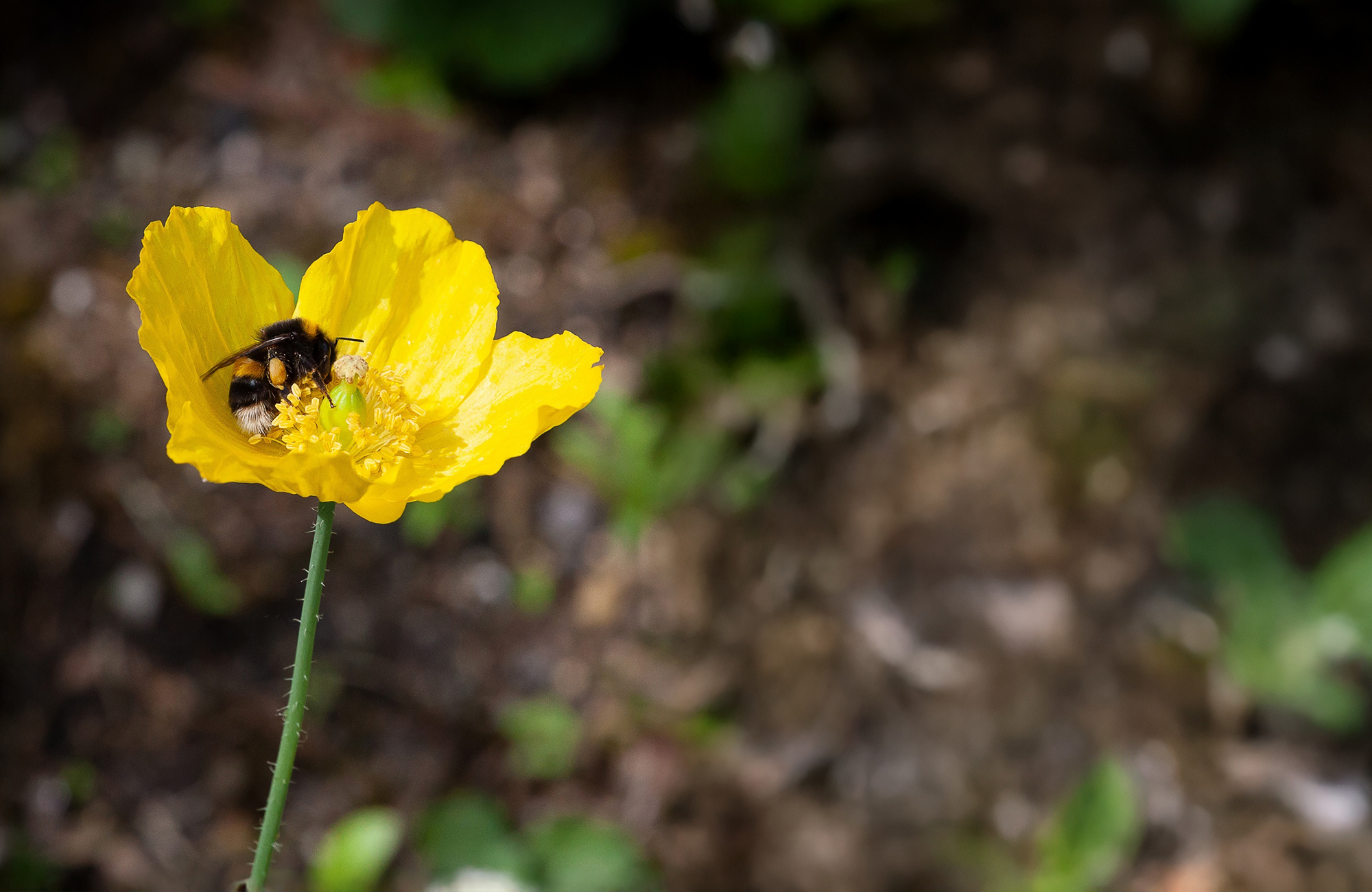
Sow Natural
Let your plants do some of the hard work for you, with Jo Arnell’s recommendations for fuss-free, easy self-seeders I spent a fair amount of time sowing and growing earlier this year sprinkling seeds into trays of compost, nurturing little plants,...
Summertime and the growing is easy
Jo Arnell explains it’s never too late to get growing vegetables this August as long as your choice are suitably savvy So here we are then, in August, when the vegetable garden is all languid abundance and harvest home (see...
Fill Your Pots!
Ensure your summer containers are built to last with Jo Arnell’s expert advice If you need some colour, some interest and visual appeal – or just a quick fix for the garden this summer – container plants are hard to...