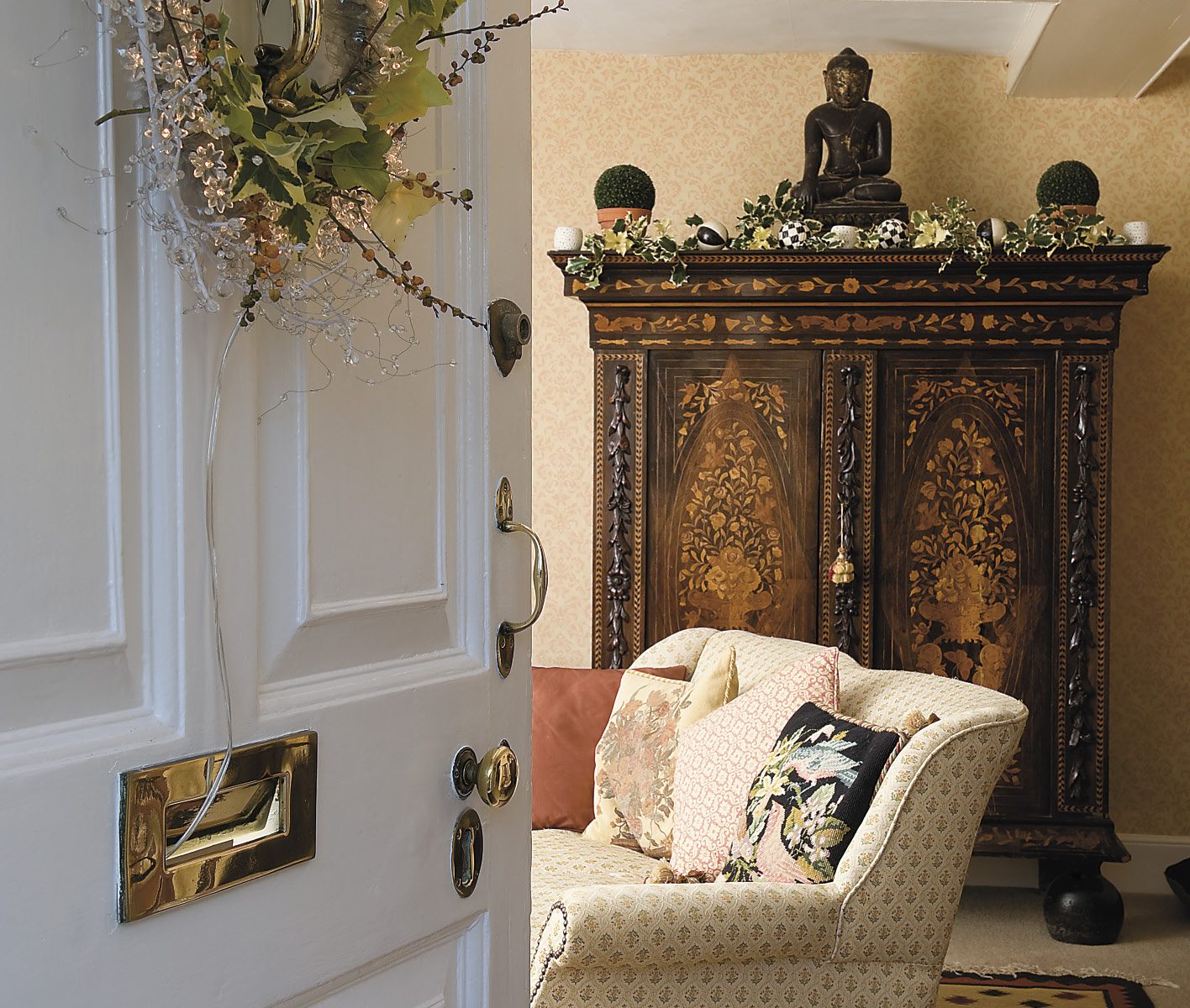
In the heart of the Weald stands a medieval house, the home of Jemima, her husband and two daughters. The house, built in 1292, is 700 years old and is known to be one of the oldest houses in East Sussex – it also contains intriguing echoes of an enduring love of the East. Jemima and her young family moved in 21 years ago from London: “When we first arrived, one of my daughters, who was then aged four, went to bed for the weekend at the shock of arriving from the city into the countryside – but both my daughters soon got used to it and loved it.” Jemima explains: “When we lived in London, we never spent any weekends in town, we would always go to the country, so, around the time of my father’s death, we decided to take the leap and move to the countryside.” As we walk through the rooms downstairs, it’s clear that the family love travelling and collections of artifacts from their trips are evident around the house. Jemima has particularly strong links with India, from where she currently imports textiles, clothing and jewellery. She travels there once a year for a buying trip, usually after Christmas, and spends at least eight weeks sourcing the best items to bring back to sell from her home. This fascinating home – filled with bright corridors and large windows that light up the rooms, even on a wintry day – is the perfect setting for a family Christmas. “We concentrate on decorating just a few rooms at Christmas, with the focus on the drawing room and the hallway,” says Jemima. The pretty Christmas tree stands near the window in the drawing room and has been lovingly decorated by Jemima with mementos and decorations, each of which has a story to tell. For example, the Father Christmas proudly atop the tree is 100 years old this year. Jemima explains: “It was bought for my father in the year of his birth, and then put on the top of the family Christmas tree for his first Christmas.” He now holds holly in one of his hands, but used to hold a Union Flag, which disappeared over the years.” A wooden tiger that Jemima brought back from one of her many visits to Varanasi, an area of India renowned for its toy-making, joins Father Christmas on the tree along with other toys and trinkets, and all have a special meaning to the family. Christmases are usually spent with the family. “Sometimes just the four of us and sometimes with extended family; last year we had 15 people round the table,” says Jemima. “We all go to the local church on Christmas Eve and on Christmas morning we open our stockings. Then after breakfast, we’ll take the dogs for a walk and come back to sort out lunch. Then, while lunch is cooking, we open our presents and drink champagne in the drawing room or hallway in front of the fire. After lunch we’ll play games, do jigsaw puzzles and watch DVDs,” says Jemima. She adds: “We have spent some Christmases in India in the past. Some areas in India are Christian, so they have the usual Christmas displays only on a lesser scale – but you can still buy a delicious decorated Christmas cake from the local bakeries in Kerala.” Jemima’s connection with India is historical and goes back to her ancestors, who spent time there in the colonial days. Her first visit to India was in the 1970s: “I did the hippy thing and travelled from London to Katmandu on the back of a truck for four months,” she says. Some years later, when she was married, she and her husband stopped in India again on their way back from Hong Kong and Jemima loved it so much – she was hooked. She says: “I thought ‘How can I make this pay for me to be able to go back regularly?’ So I decided to sell clothes and jewellery to raise my travel fund.” Jemima now has regular clients and arranges days when people can come and buy the beautiful items that she has carefully sourced with her expert eye. In the large open kitchen a white Aga, “essential for power cuts in this part of the Weald,” sits to one side with painted tiles above it, decorated with the image of the outside of the house. The ceiling is full of baskets and hangings from all over the world and there is a grand dresser which comes from the house where she was brought up. Another family treasure is an enormous bell that, Jemima explains, was dug up from Dover Harbour by one of her eccentric ancestors. Jemima rings the bell and amid its sonorous peal she laughs: “That has never failed to get the family to turn up for dinner.” A large paper star sits in one window. “These stars are everywhere at Christmas time in India, so I just had to bring one back to remind me of our Christmases spent there.” A door from the kitchen leads into what was once an old bakehouse now hung with a fascinating collection of antlers, collected by the previous owner, who lived in the house for 30 years. Upstairs on the first-floor landing a magnificent decorative moulded beam, “the only one made out of timber (oak) in a domestic situation before 1300,” was uncovered by the previous owner. It was discovered only 30 years ago when the house was being redecorated. Along the landing is Jemima’s favourite spot – a window overlooking a bridge that goes over the stream with a magnificent oak and sycamore tree and several guinea fowl happily pecking around at the side of the stream. The bedrooms on the first floor all lead off the landing, which has large windows with views to the garden. Jemima says: “The house was refurbished and extended during the Georgian period which means we have lovely big, open windows that you don’t usually have in a medieval house. It’s one of the features that originally led us to buying the house.” The main bedroom has a dressing room and bathroom and leads through a corridor to a stairway to the attic. This is one of the girls’ bedrooms, where a glorious, free-standing bath sits near a window giving a beautiful view of the garden. Jemima says: “The old bath was just dreadful, this is the best position for a bath ever – such a wonderful view.” She adds: “Both children are career women now, but frequently come back to visit and still enjoy the rooms they have had since childhood.” Outside is a stunning garden with a stream running all the way down one side of the garden and a pond on the other side. “You can hear the sounds of water running wherever you are, it’s incredibly tranquil here.” The house sits in the centre of its plot and it’s clear to see that the garden is much loved and well used. Jemima and her husband manage it themselves and a neat summerhouse, several statues and a recently purchased dovecote emphasise views and draw the eye. Says Jemima: “My favourite places vary in the garden according to the time of year and where the sun is.” The stream and garden are full of wildlife: deer, water voles, badgers and too many foxes who pick off our guinea fowl!” In addition to her import business, Jemima also runs annual tours to India. “A good friend of mine in India who is a guide, suggested on one of my buying trips that I bring some of my customers for a tour,” Jemima says. “So when I got back I sent out a flyer and in the year 2000 I took 10 people to Rajasthan on the first trip. The tours last 17 days, the next one is organised for February and offers an optional extension for those wishing to explore further. Jemima’s trips involve visits to cultural sites, textile manufacturers, bazaars, temples and local culture.” “I’m very excited about this next tour as we’ll be going to a national park to see some tigers. We’ll be riding elephants so that we get to see the tigers as close as possible in the wild. It’s all perfectly safe as the tigers only see the elephants and not the humans and take no notice of us. We’ll also be staying on the banks of the Narmada River and the owner is a wonderful chef – the food is extraordinary – it makes you realise just how good Indian food can be,” she says. “The distant hill looks beautiful” runs the Indian proverb, but here in the rolling Weald, Jemima is sure the near ones have just as much appeal.

the large kitchen is warmed by an Aga, a boon on power-cut days, and the large dresser is from the house where Jemima was brought up
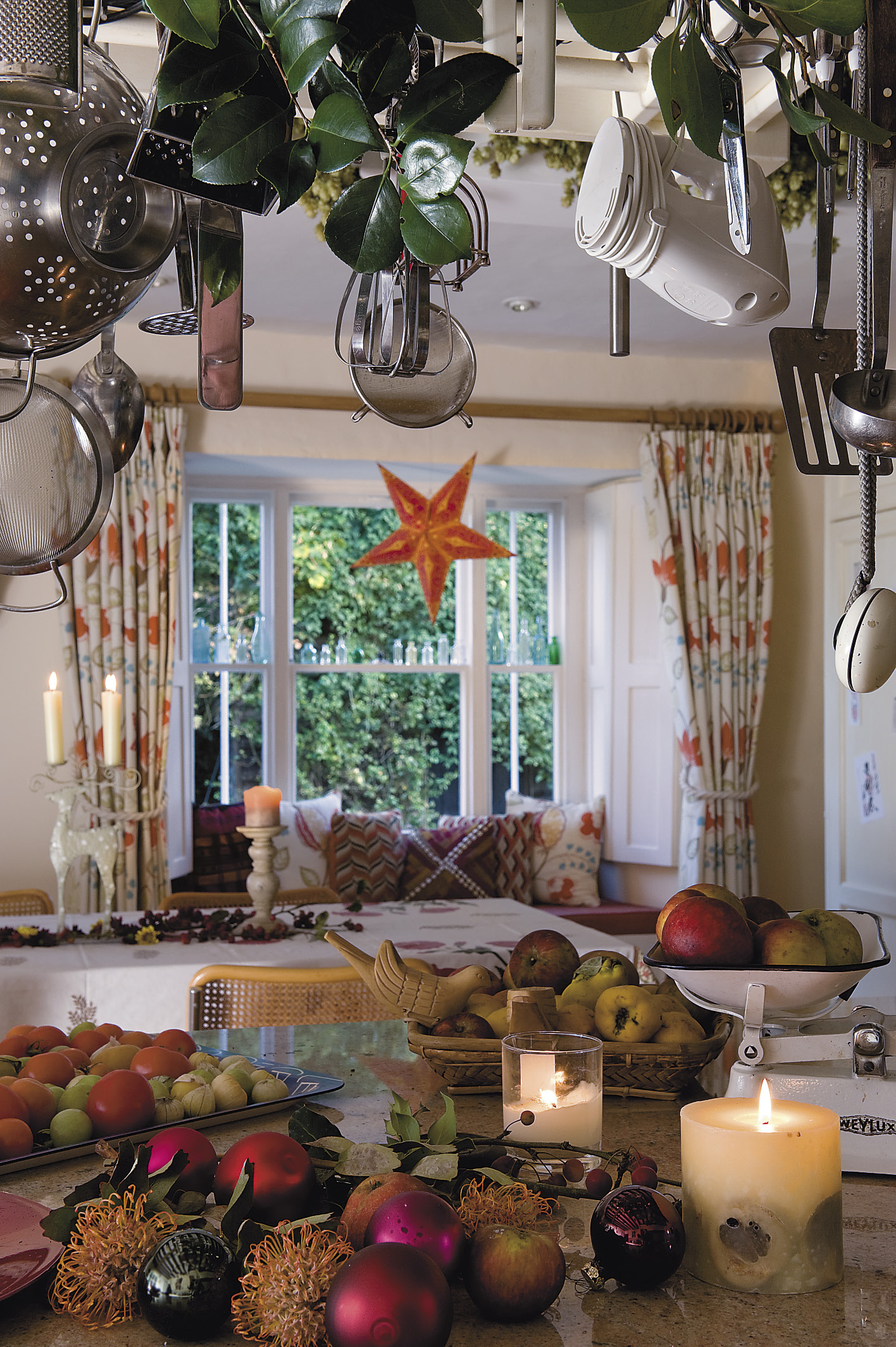
stars like the one in this bay window in the kitchen are a regular sight in India over Christmas
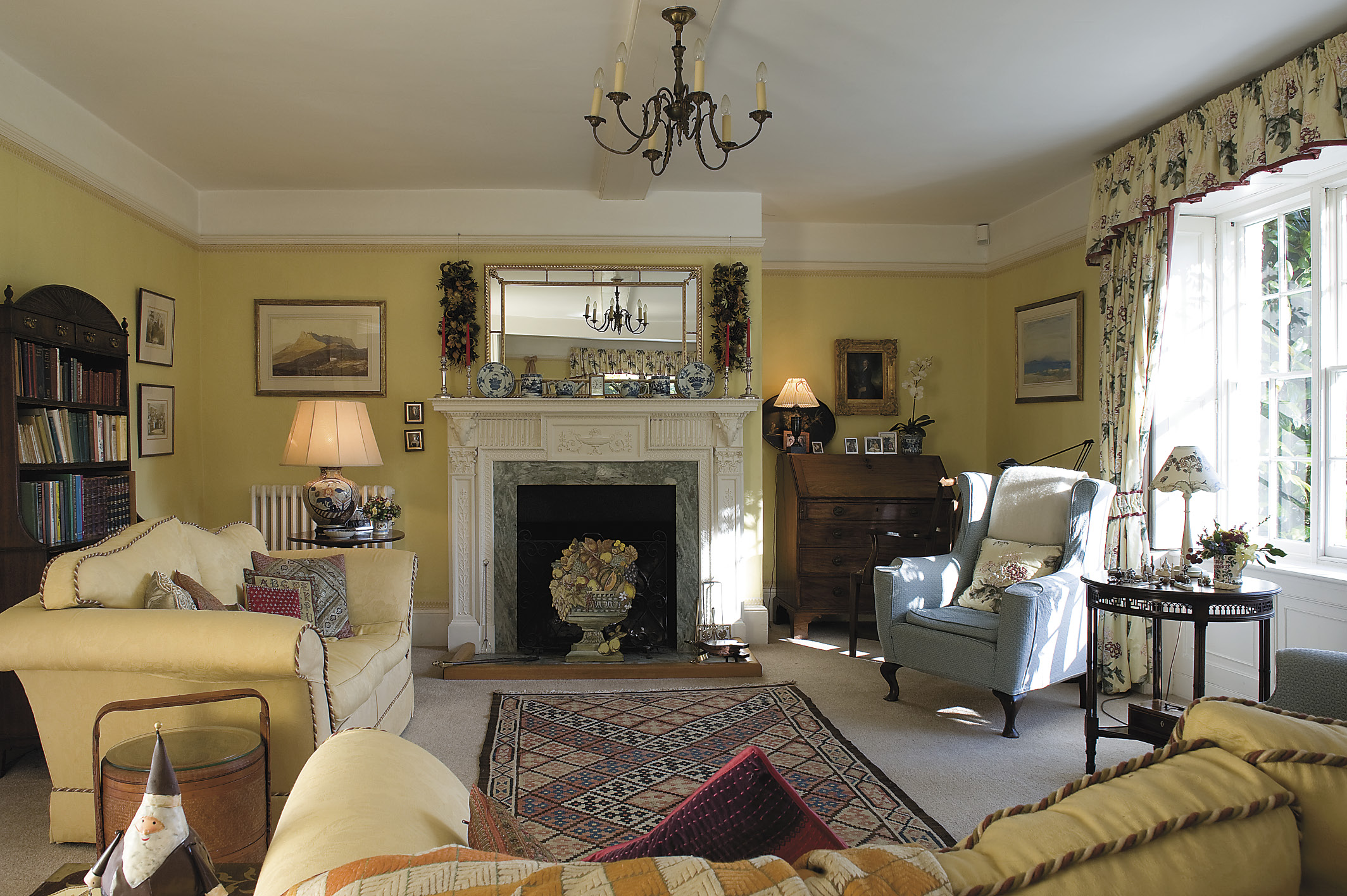
the drawing room is in the Georgian part of the house and its large windows flood the room with light
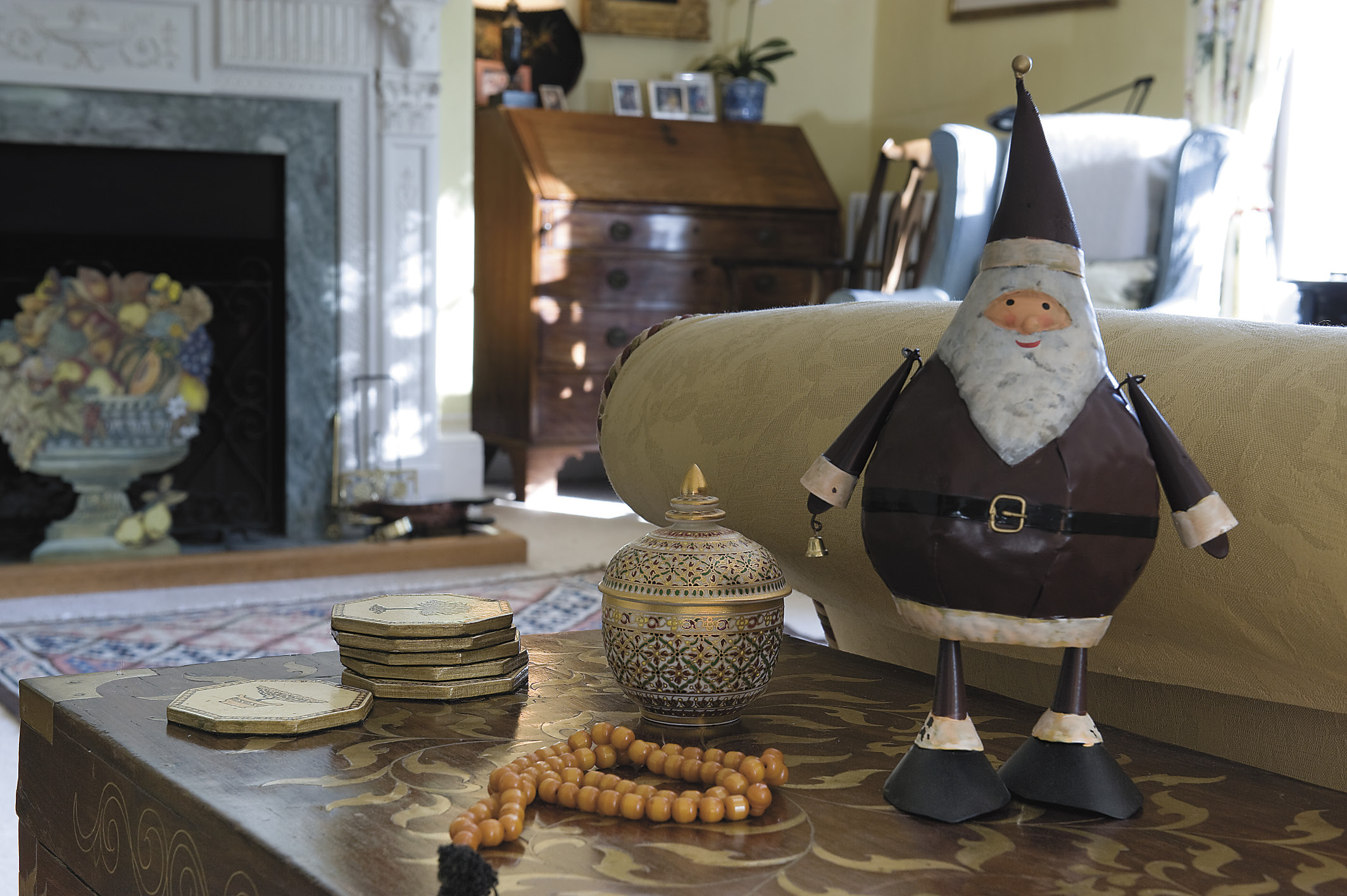
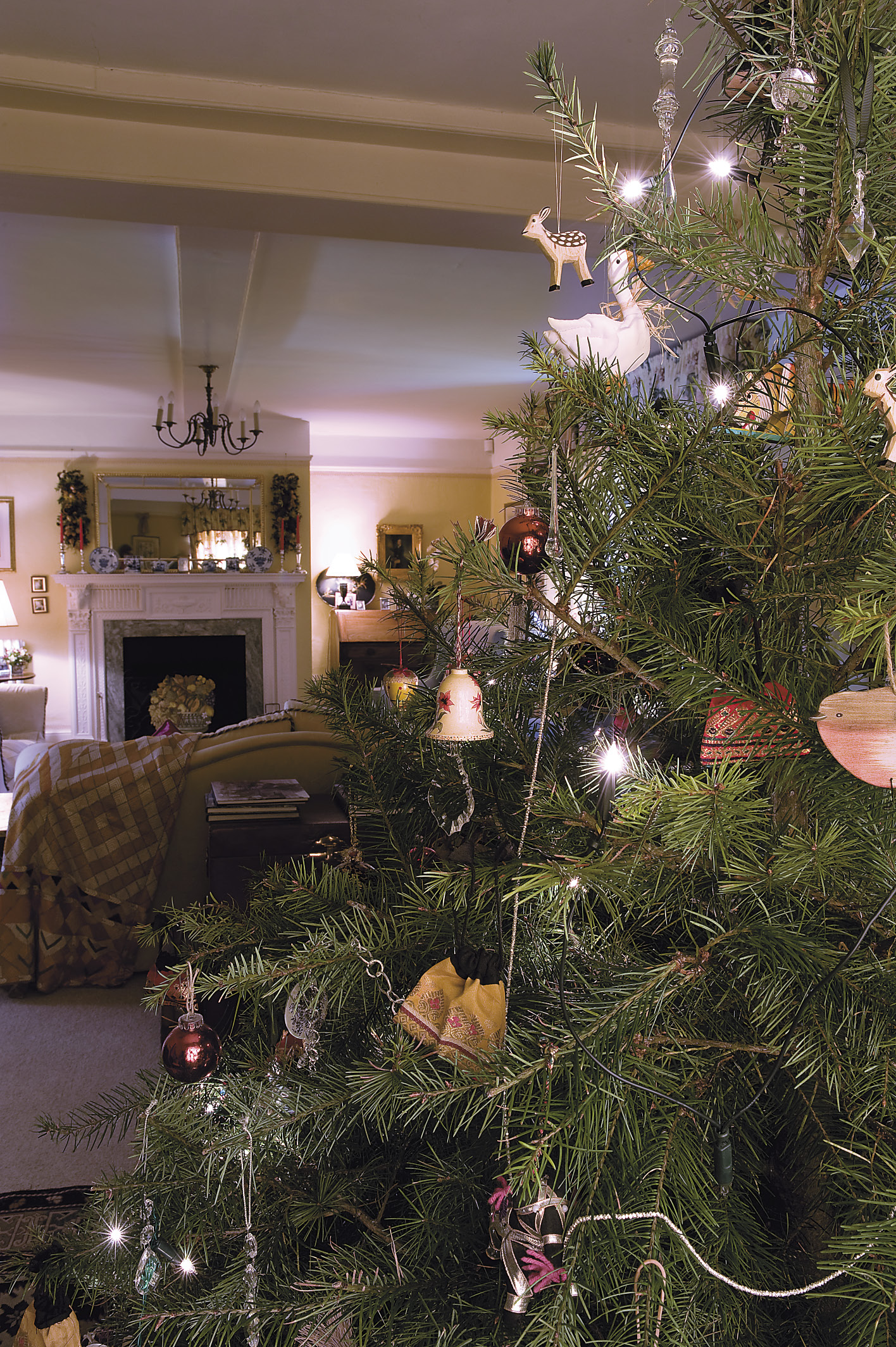
the Christmas tree in the drawing room has traditional decorations which have been collected by the family over the years
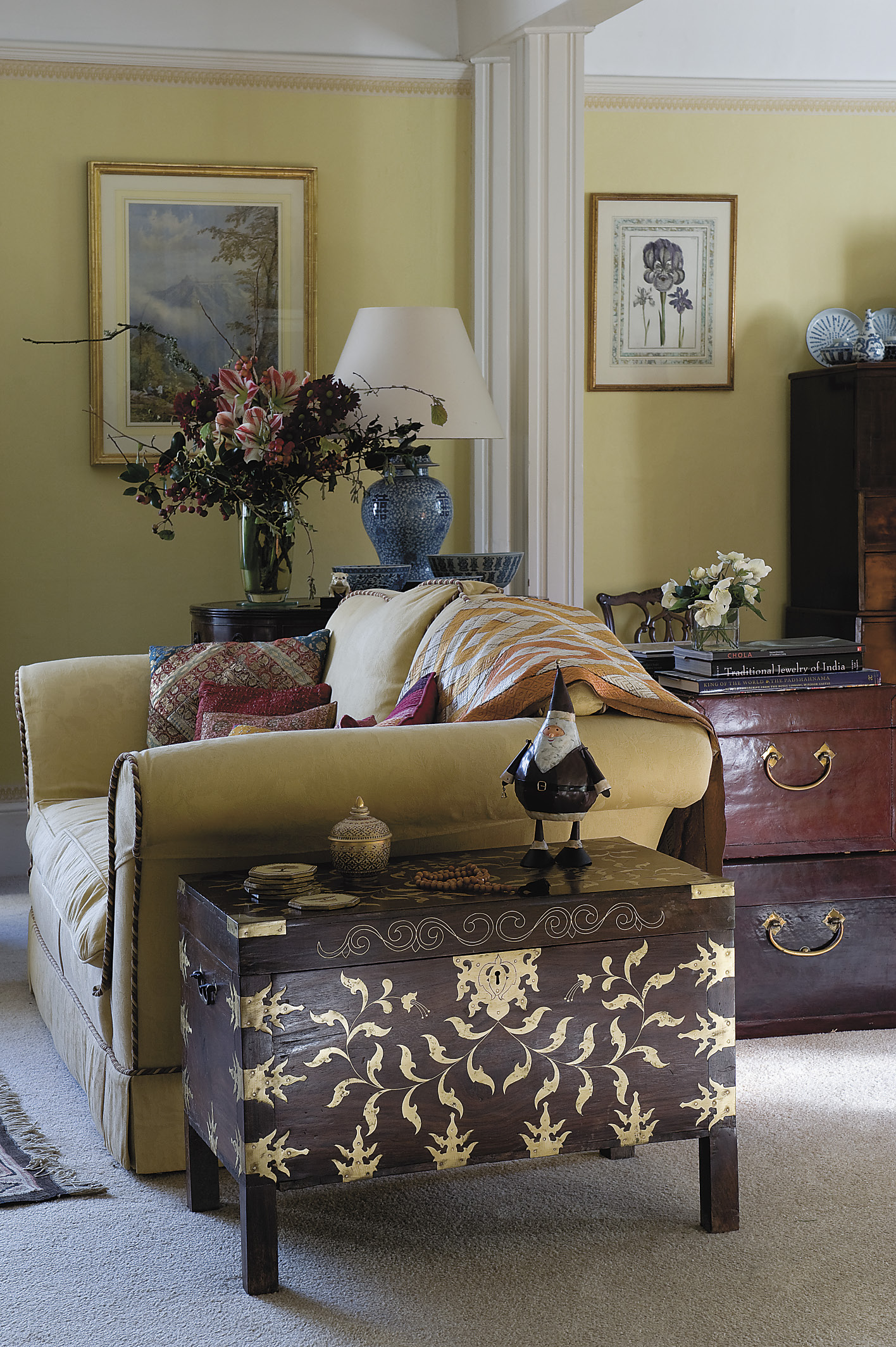
wooden chests in the drawing room were brought back from the family’s travels
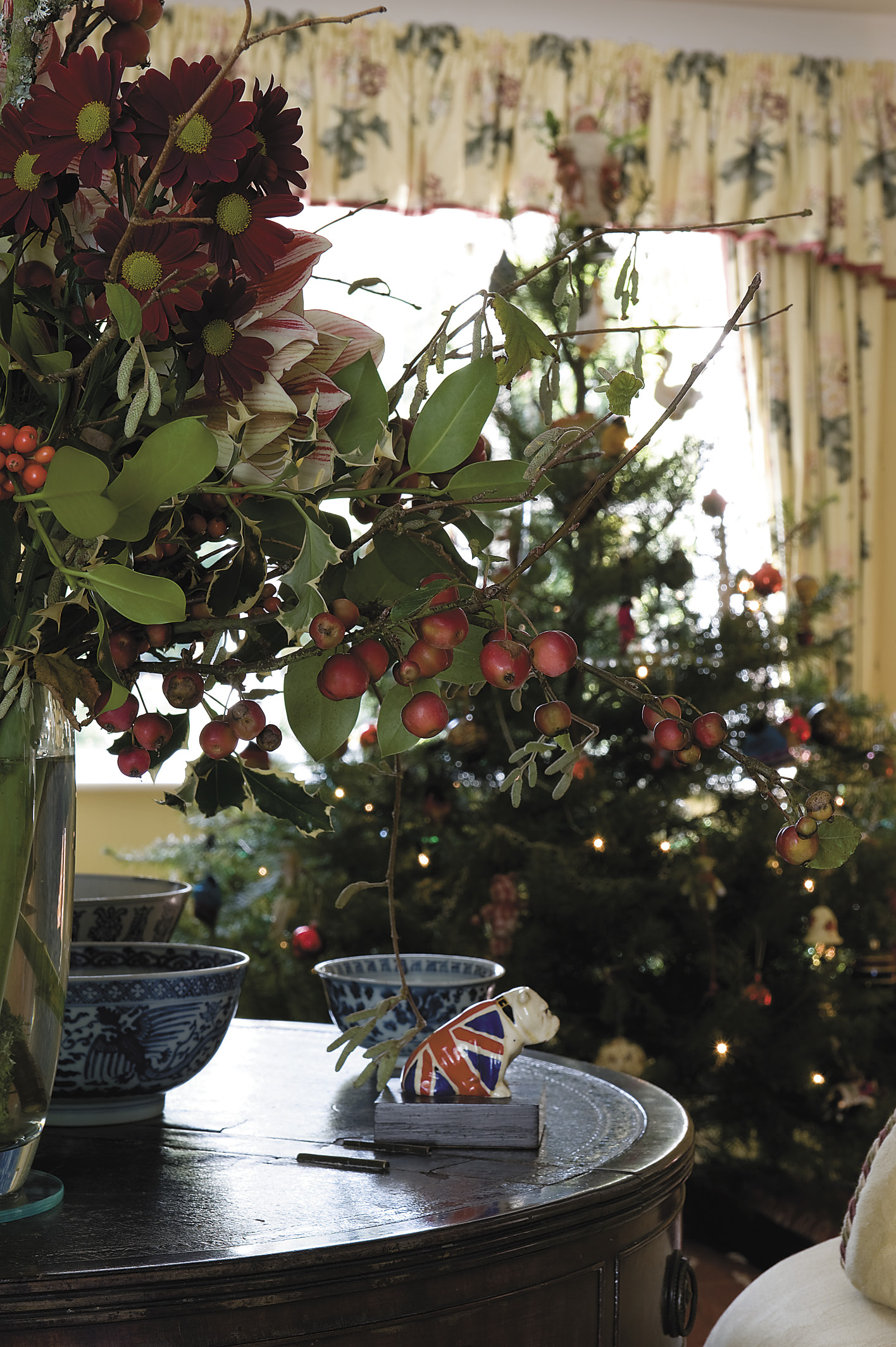
the Christmas tree stands in front of the drawing-room window
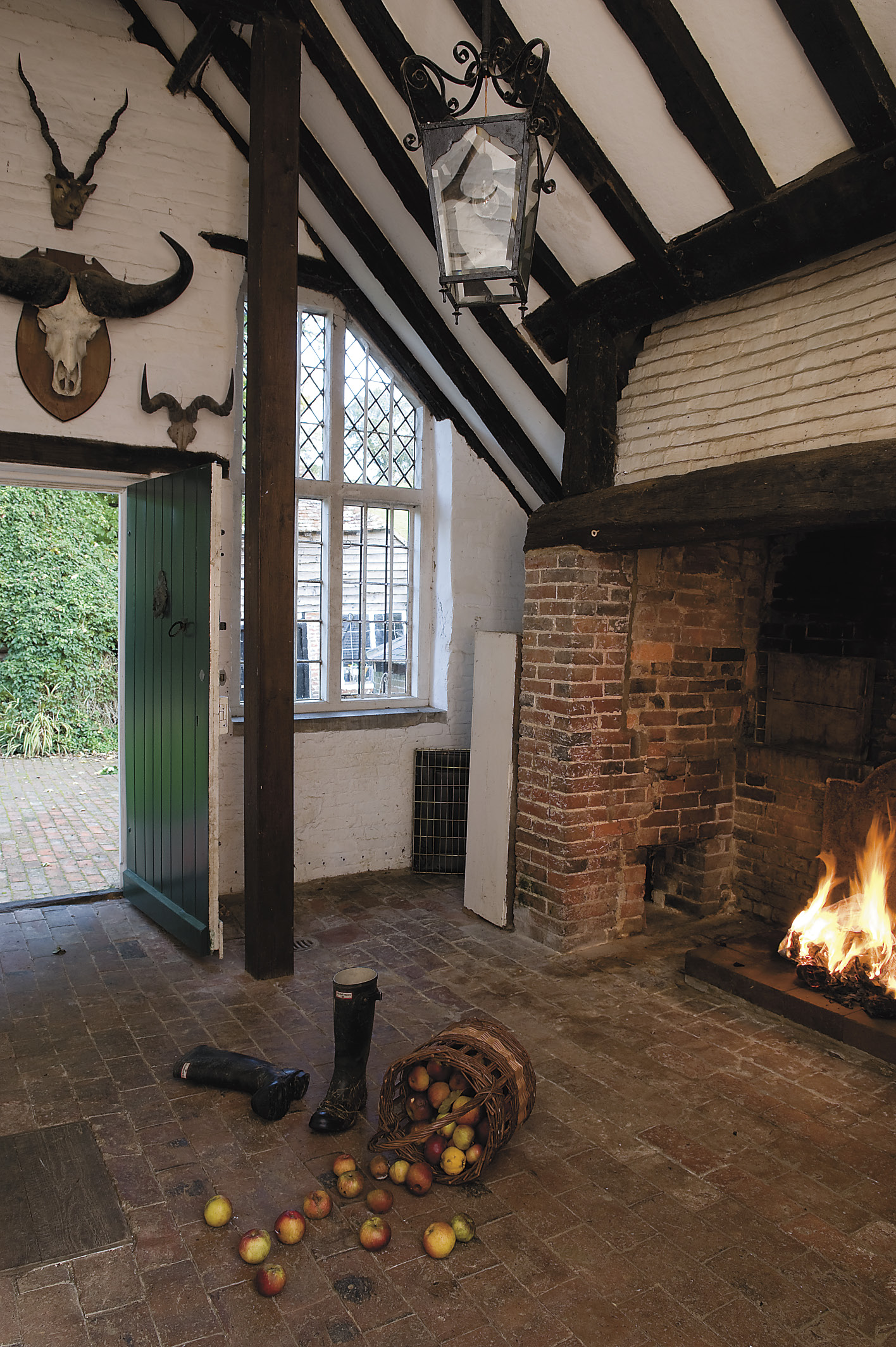
the old bakehouse is hung with a collection of antlers
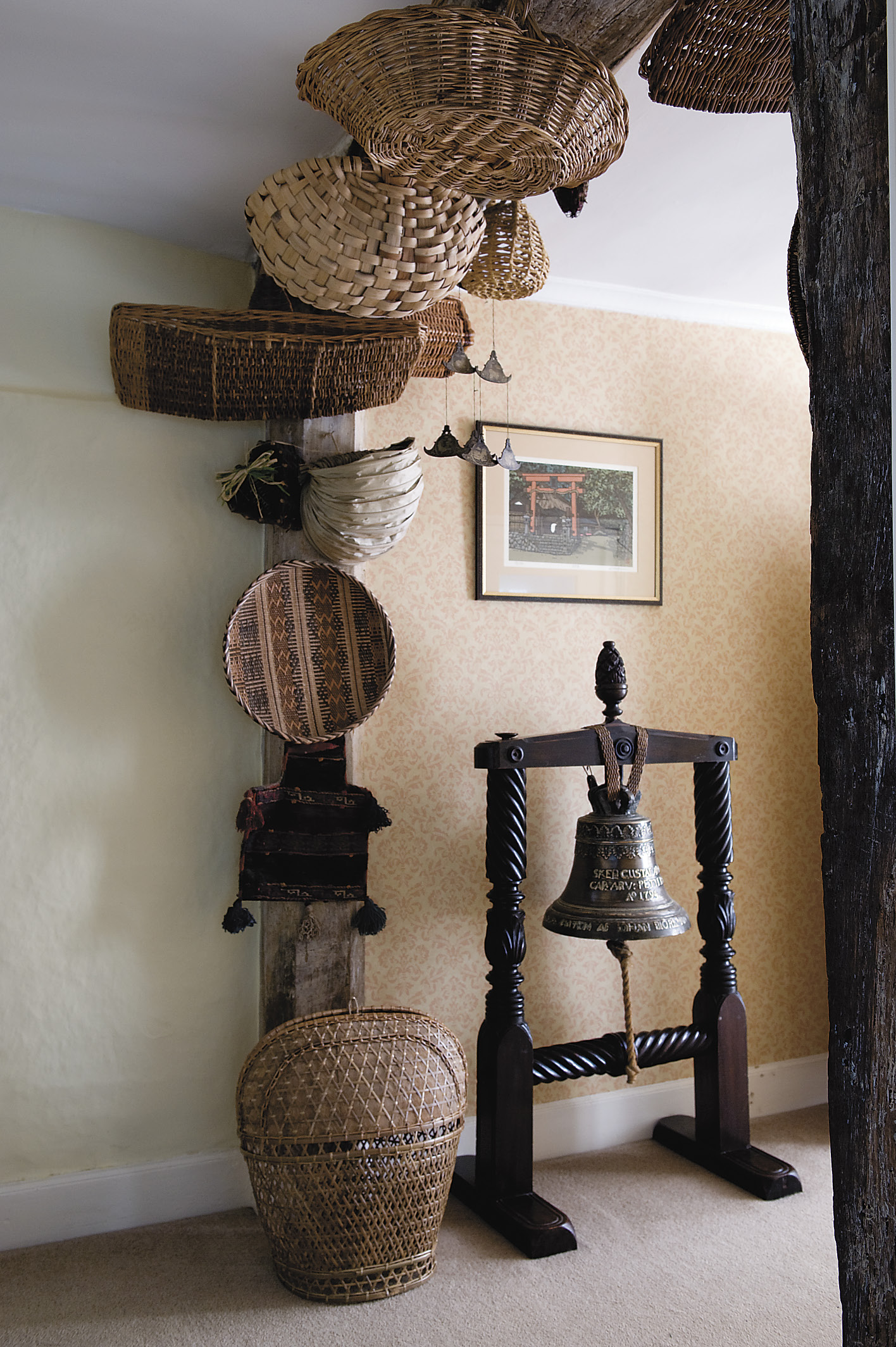
Jemima’s collection of baskets from around the world
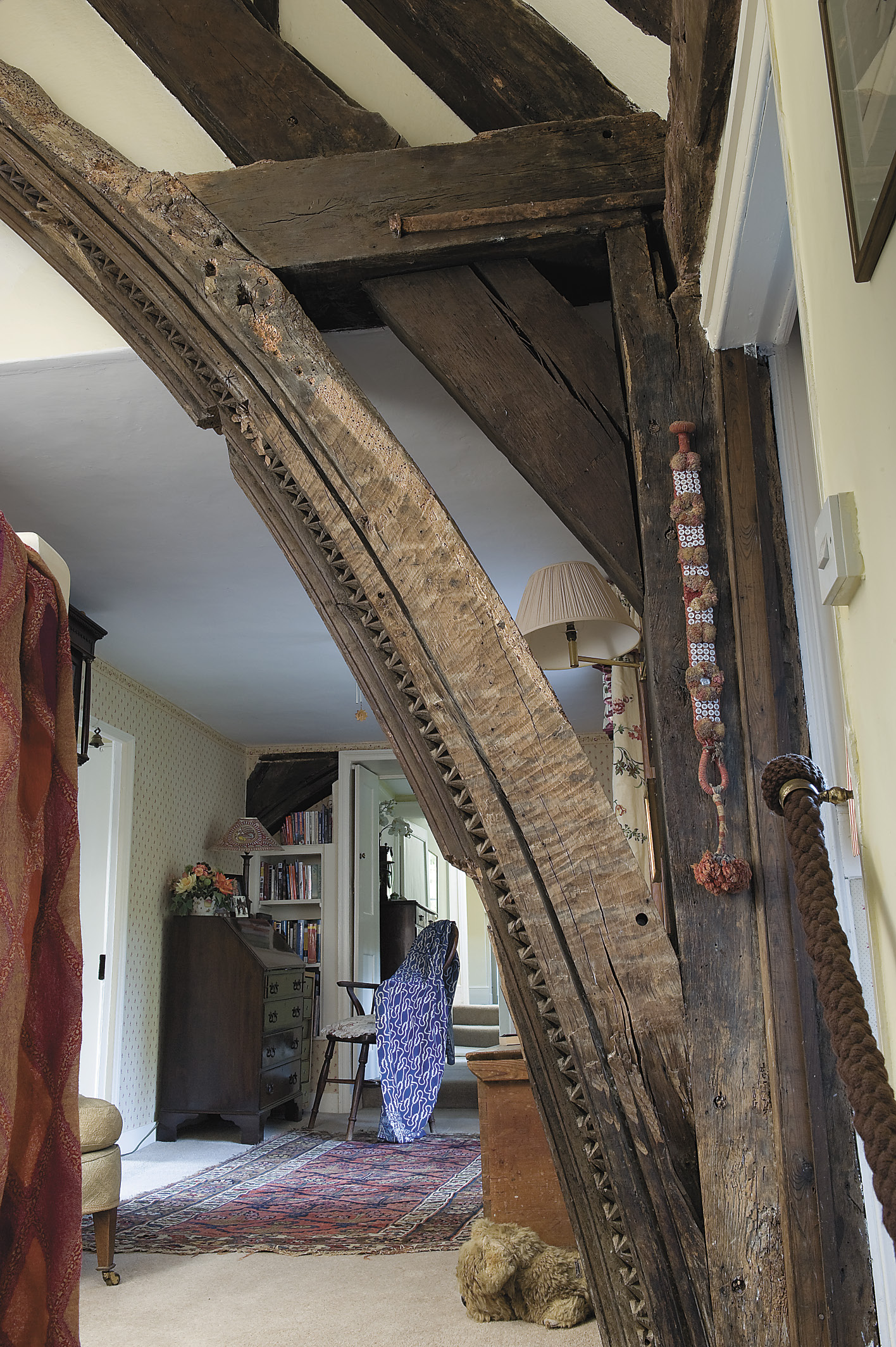
part of the decorated arched oak beam uncovered 30 years ago
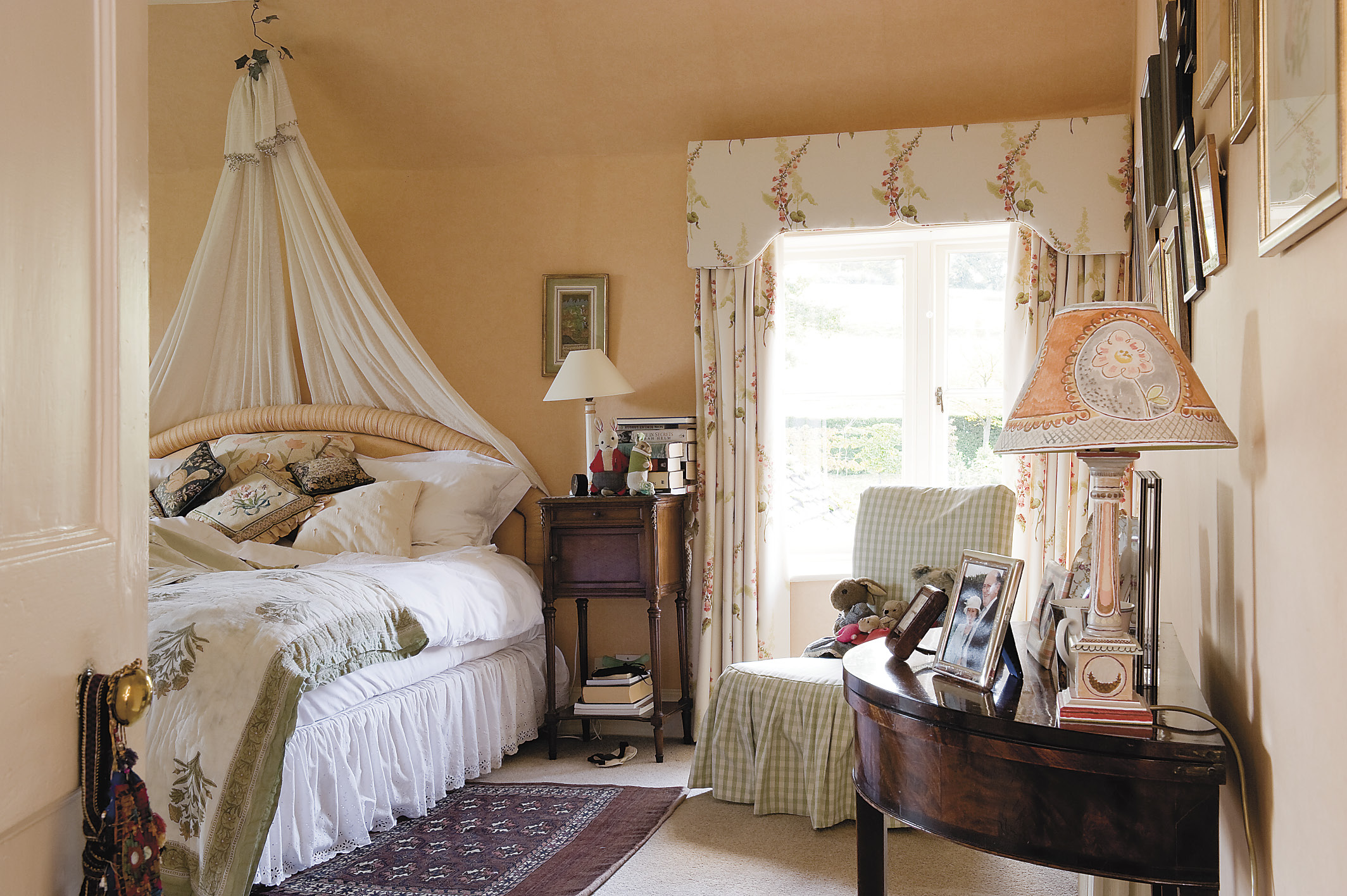
the main bedroom has an en suite bathroom and a large dressing room
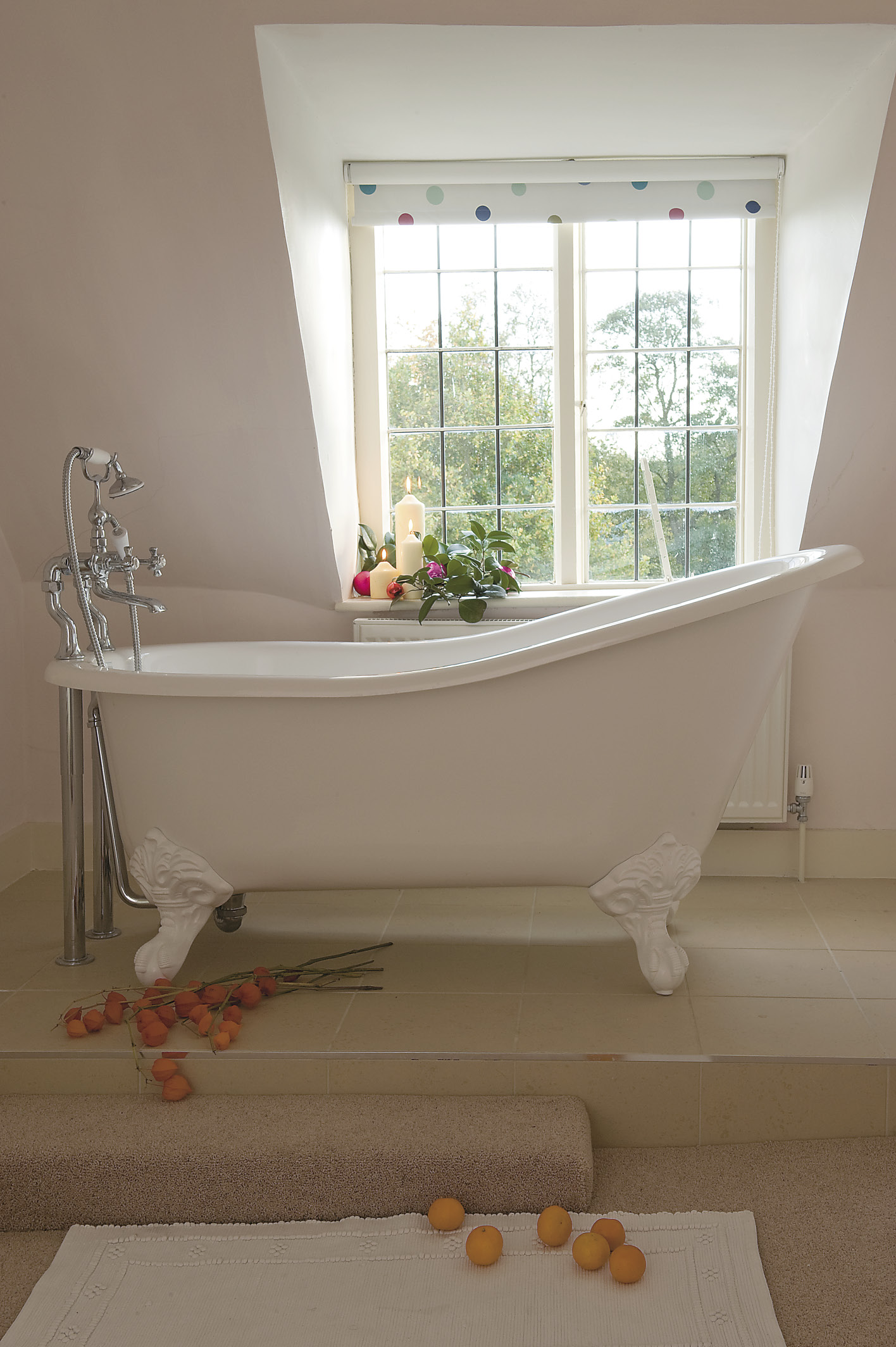
a glorious, free-standing bath sits near a window giving a beautiful view of the garden. Jemima says: “this is the best position for a bath ever – such a wonderful view”...
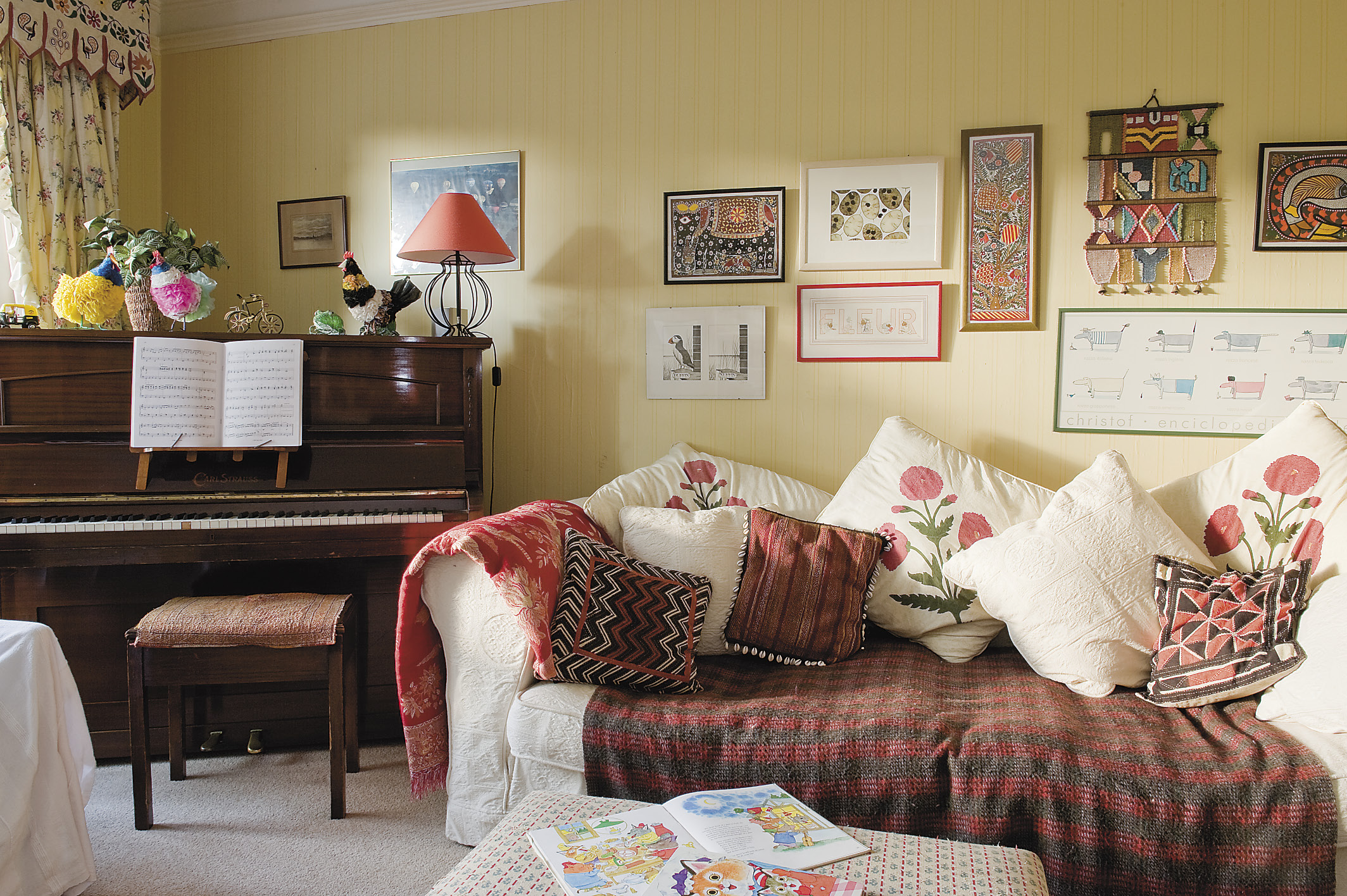
cushions, throws and artworks gathered on trips overseas add a splash of Eastern colour to a traditional Wealden hall house

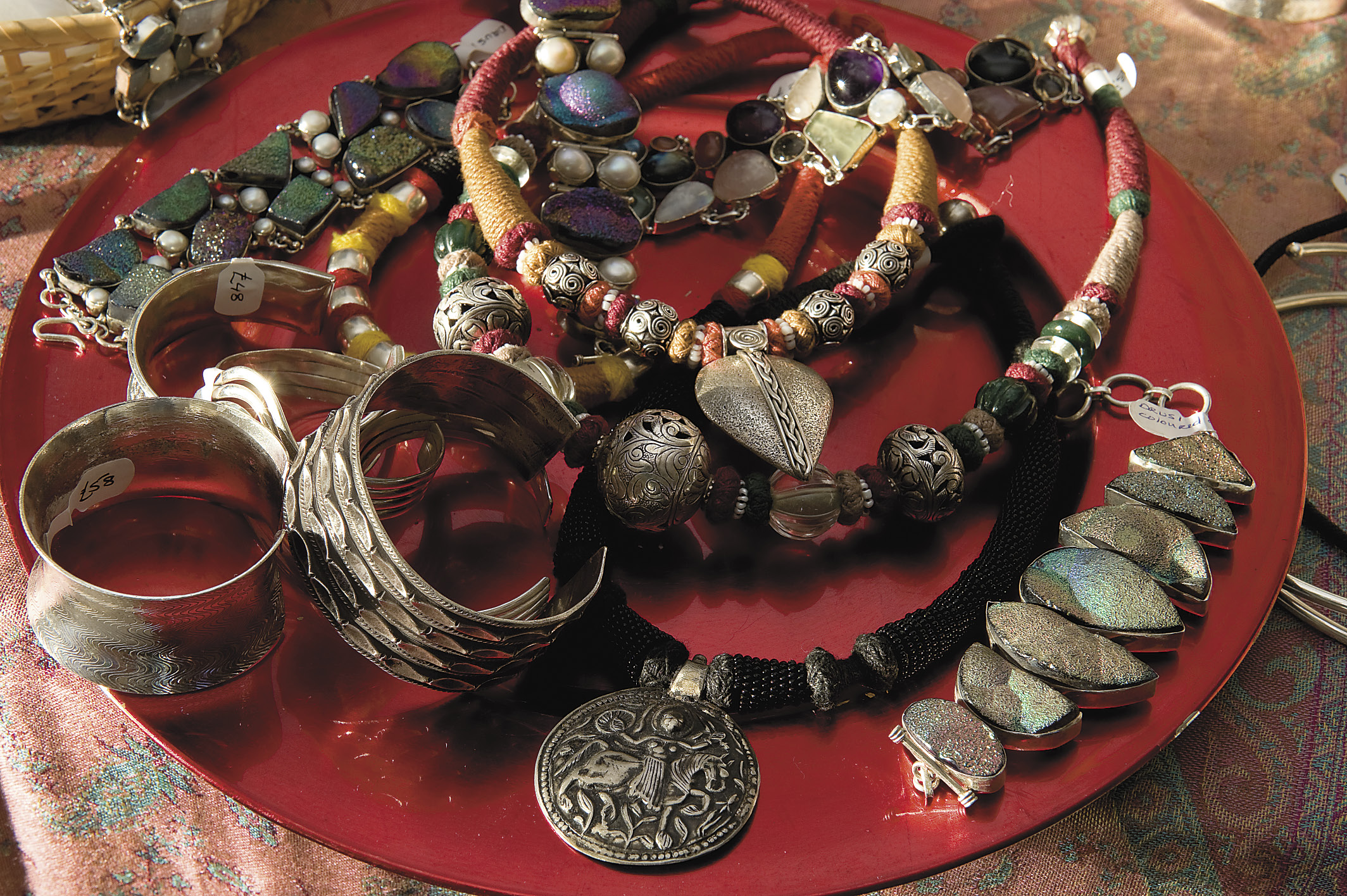
jewellery, made from silver and semi-precious stones, was sourced by Jemima on a buying trip to India
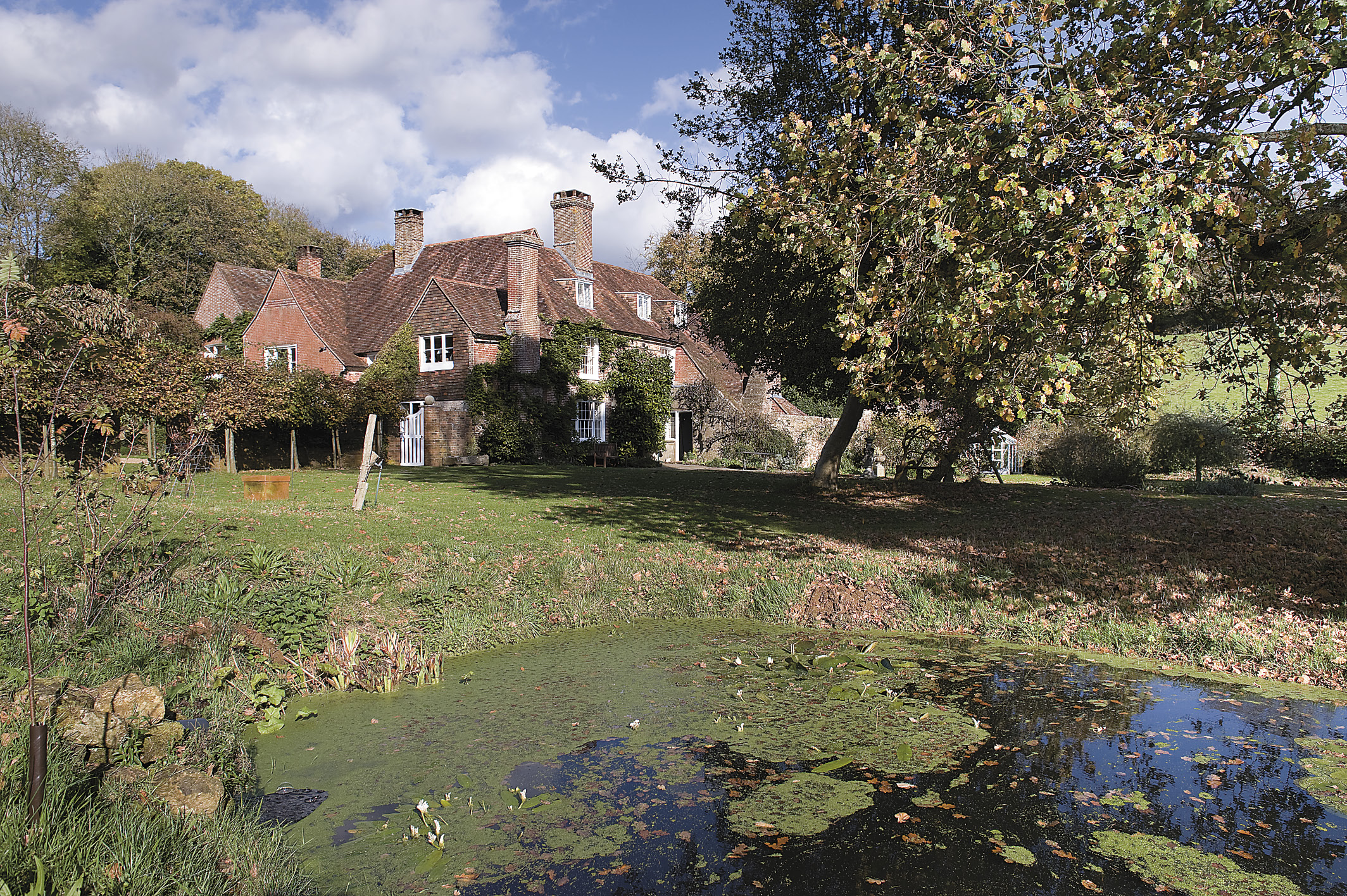
the house, which originated in medieval times, has evolved over the years
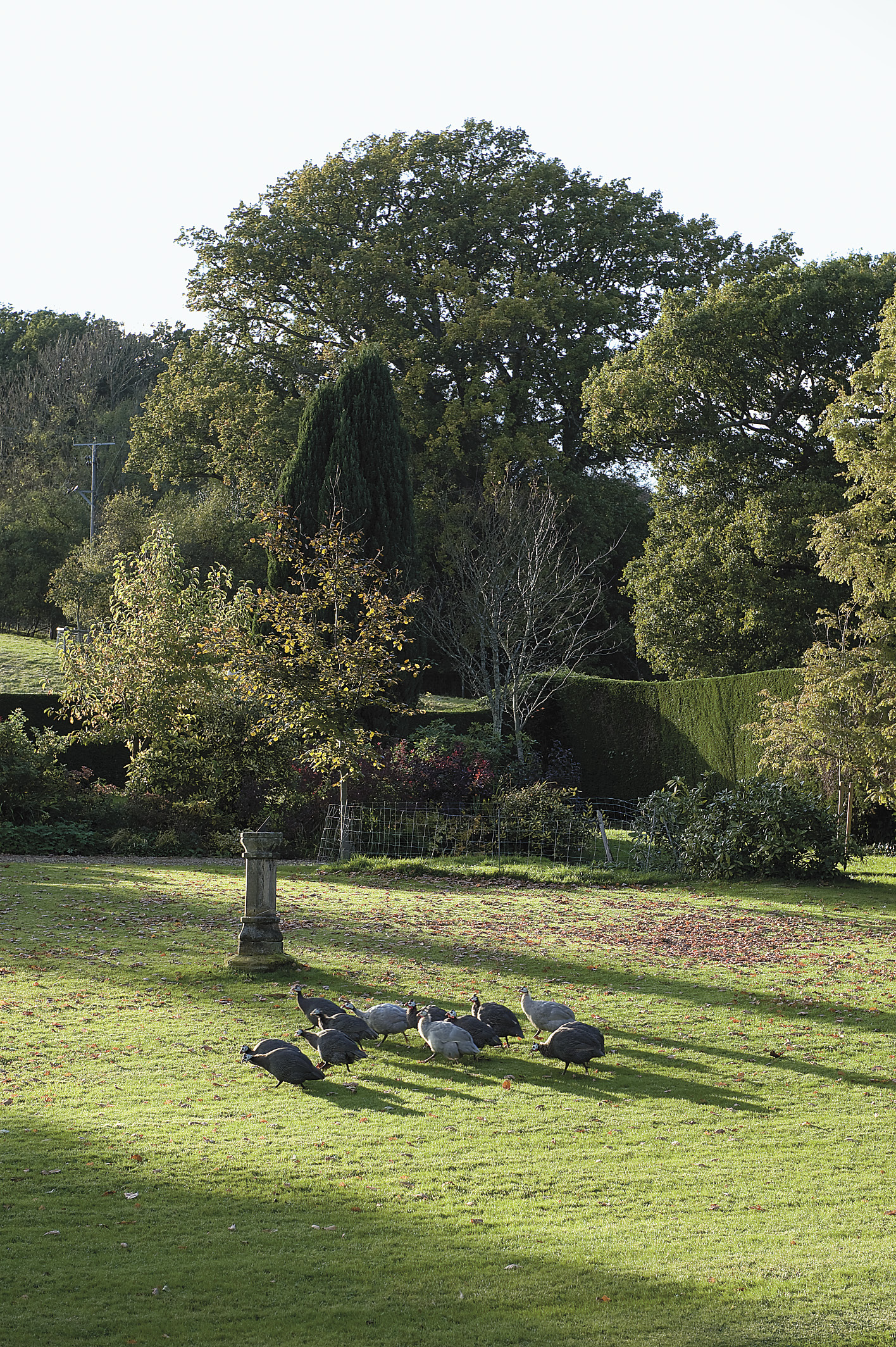
guinea fowl enjoy the late winter sunshine
- words: Nicki Trench
- pictures: David Merewether
- styling: Cherry Whytock
You may also like
An Artful Restoration
Once a derelict reminder of Kent’s agricultural past, Old Smock Mill has been painstakingly restored into a luxurious retreat. Its revival is the story of one woman’s passion, creativity and determination to preserve a remarkable landmark. When artist Clare Winchester...
Our family and other animals …
Filled with rescue pets, characterful interiors and rural charm, Sarah and Max’s farm is a place where country living and cosy style go hand in hand Many of us who have read or watched My Family and Other Animals will...
The Art of Good Living
Set against the rolling landscape of the South East, this remarkable home blurs the line between private residence and public gallery. Driven by a passion for contemporary art and a desire to bring inspiring work beyond the confines of the...