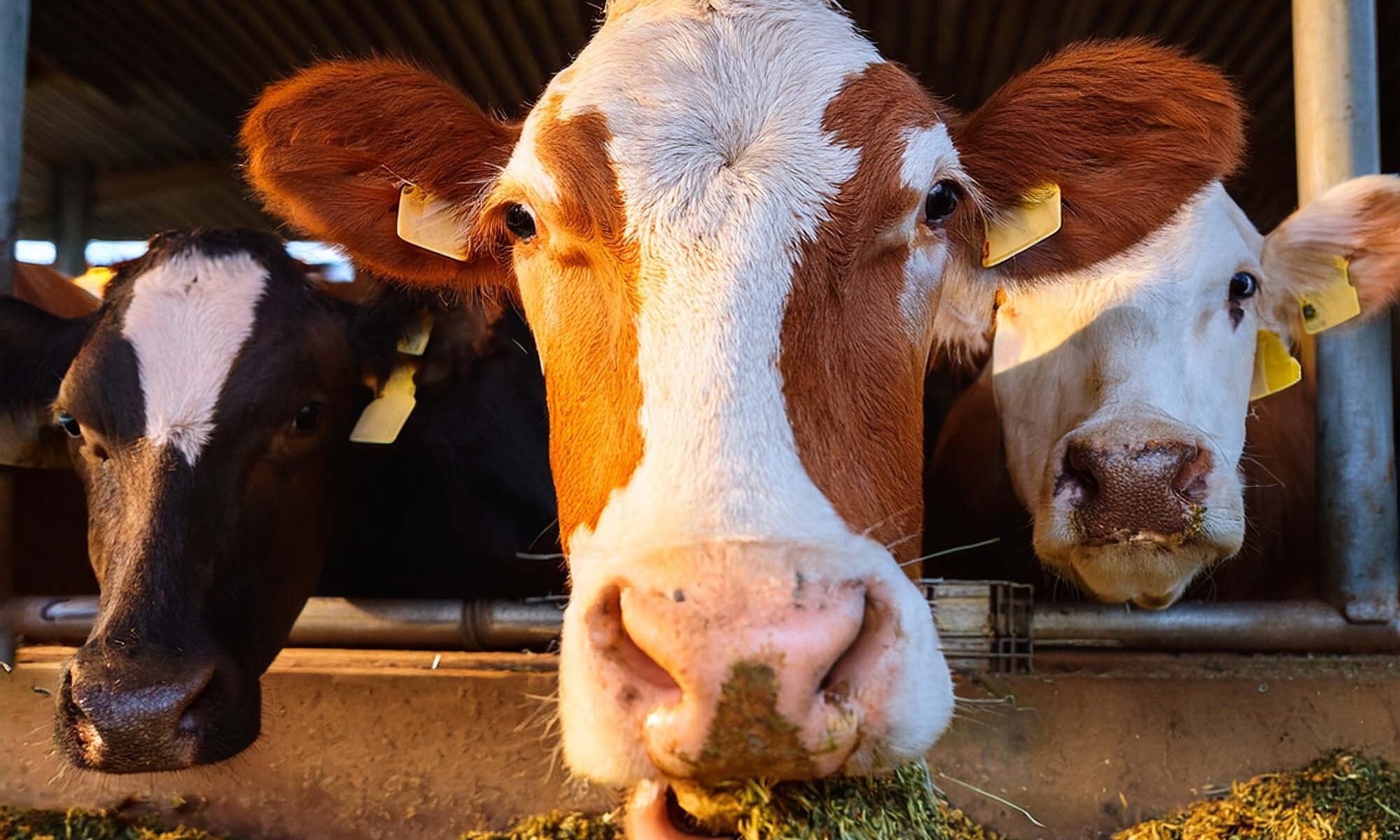
Jane tots up this winter’s feed bills as she preps Coopers Farm for the cooler months
Winter is on its way and we’re getting prepared. The barns are now full of winter forage (summer grass cut and preserved for food) and bedding. Back in the day, when we were fresh faced novice farmers, we used to make our own hay and, being twenty five years younger, really looked forward to it. I think I recall everyone gathering to help bring it in, with lashings of good cheer, lemonade and buns, although the reality was probably a few gap year students, cold beers and pizza. Now we rely on big tractors!
To make hay you have to cut the grass, turn it (ted it) a couple of times and then bale it, all as the sun beats down. Quite stressful in a typical British summer. We invested in an ancient baling machine, a cat’s cradle of levers, blades and strings which we never quite mastered but luckily our neighbour knew how to coax it along. The little bales which it spewed out were completely at the mercy of the elements and a torrential downpour like the ones we now get could easily ruin the lot. So we gave that up, sold the baler to a bloke who was buying them up to take to Romania and stopped making our own hay. We now have the more costly but stress free option of buying it instead. Usually as round bales like cotton reels where the dry grass is wound round and round inside the baler and then wrapped in plastic netting which acts as a macintosh should the heavens open. We also buy in some haylage.
This is when the grass is cut and baled before it’s completely dry so has to be wrapped in plastic to prevent air getting in and turning it mouldy.
Last year’s winter bedding was cleaned out in the spring and has been gently cooking in a huge heap all summer. Now is the time to spread it over a couple of fields where the worms will then pull it down into the soil to enrich it
The cows prefer it and it’s much better for milk production once they have calved in March.
Another barn is full of straw. This is for bedding. It’s the stalks that are left after the arable boys have combined the crop and taken the grain.
Barley straw is the best, being the most absorbent, oat straw is too brittle and tubular and wheat straw is somewhere in between.
Having satisfyingly filled the barns the other task for this time of year is muck spreading. Last year’s winter bedding was cleaned out in the spring and has been gently cooking in a huge heap all summer. Now is the time to spread it over a couple of fields where the worms will then pull it down into the soil to enrich it and add organic matter. It’s often referred to as black gold.
Then I need to think about winter quarters and who is going where. The cows will go into the biggest barn, with their weaned calves next door and the maiden heifers (young females who will join the herd next spring) beyond them. Then we just need to sort out where all the groups of boys will go. That’s this year’s bull calves needing a fair amount of food, the teenage bulls born Spring ’24 needing lots of food and Jim our stock bull who – not being required to do anything till next spring – doesn’t need any extra rations.
Trouble is if you over winter any of the boys near any of the girls that are not in calf, i.e. who will come into season, then lust takes over. Instead of spending the winter months tucking in and growing bigger, other matters are on their minds. So it’s girls up one end, boys down the other and the pregnant ladies, with Jim, in between.
You may also like

Need a warm up?
Sarah Maxwell shares her reasoning behind her developing love of saunas With the health benefits a hot topic world wide, it’s little wonder that saunas have set the pulses racing to a better life. Many cultures over the years have embraced...
Small changes big results
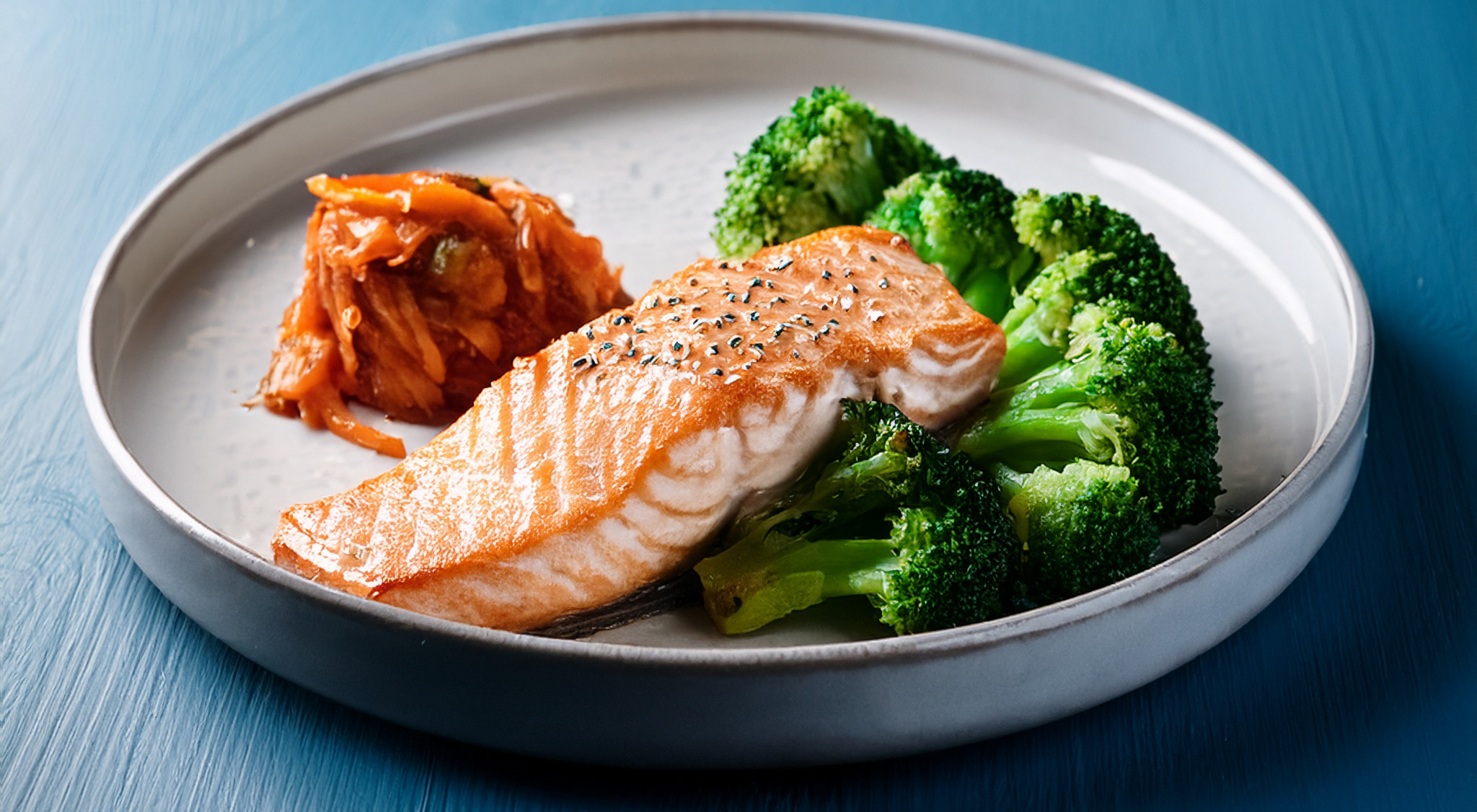
Nutrition & Lifestyle Coach Charlotte Lauexplores the benefits of eating fermented foods twice a week As winter starts to soften and March brings hints of spring, it’s a perfect time to support one of the body’s unsung heroes… your gut....

Farm Fables
Skip searching for intelligent life in far flung corners of the universe, Jane has always known that her farm animals harbour more emotion than they’re often given credit for You may well have read recently about an Austrian cow who...