Nutrition & Lifestyle Coach Charlotte Lau
explores the benefits of eating fermented foods twice a week
As winter starts to soften and March brings hints of spring, it’s a perfect time to support one of the body’s unsung heroes… your gut. A healthy digestive system is key to energy, immunity, mood, and even skin health. After the rich foods and slower days of winter, giving your gut a little extra care can make a noticeable difference. This month’s simple shift? Include fermented foods in your diet at least twice a week. Even just two servings can help diversify your gut bacteria and support digestion.
Why fermented foods?
Fermentation is an age-old way of preserving food that naturally boosts the growth of beneficial bacteria, probiotics, which help balance your gut microbiome. A diverse and healthy microbiome supports digestion, reduces bloating and helps your immune system communicate effectively.
Common fermented foods include yoghurt, kefir, sauerkraut, kimchi, miso and kombucha. Adding these into your meals regularly is an easy and tasty way to nurture your gut health. Why not start off by swapping your usual snack for a small pot of live yoghurt or kefir?
Why March is the perfect time
March is about transition and renewal. After February’s focus on colourful, nutrient-rich foods, fermented foods are a natural next step to help your body absorb those nutrients better and maintain balance as the seasons change. Rather than drastic cleanses or restrictive diets, fermented foods offer a gentle, sustainable way to support health from the inside out.
3 simple fermented food ideas for March
Breakfast boost –
top your porridge or granola with a dollop of live yoghurt or kefir. These fermented dairy foods contain probiotics that help balance gut bacteria, support digestion, and may even aid immune function and nutrient absorption.
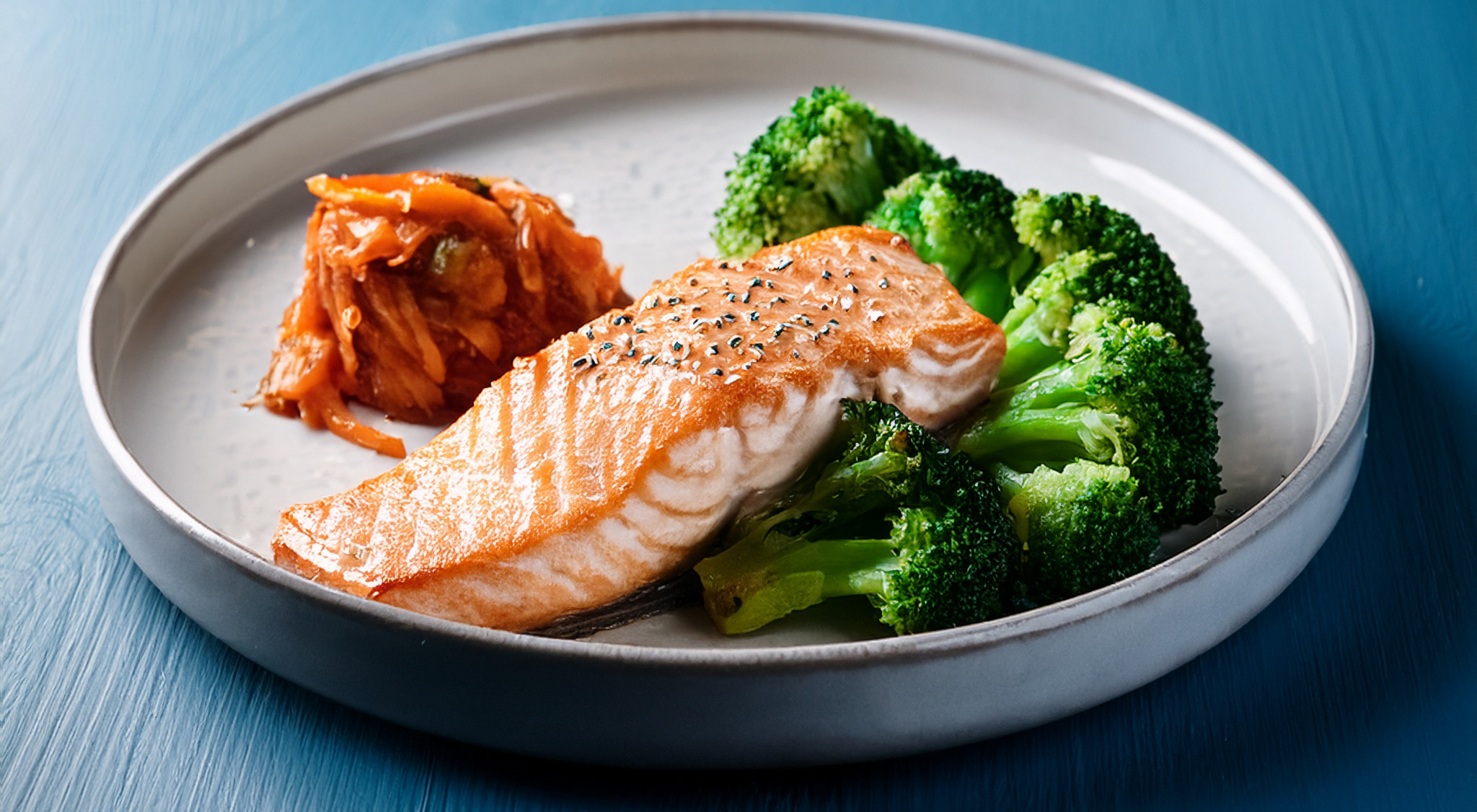
Tangy sides – add a small serving of sauerkraut or kimchi to your lunch salad or dinner plate. Packed with probiotics, fibre and antioxidants, these fermented vegetables can help reduce bloating, support healthy digestion and provide compounds that fight inflammation.
Soups & sauces – stir a teaspoon of miso into vegetable soups or salad dressings. Miso contains live cultures and enzymes that promote gut-friendly bacteria, aid protein digestion and contribute to a healthy immune system while adding a rich, savoury flavour.
Charlotte runs Plume Nutrition, where she offers support and advice for weight management, controlling cravings, sleeplessness, stress and increasing energy levels. Find out more at plumenutrition.com
You may also like

What the fascia?!!
Sarah Maxwell shines a light on the hidden web of connective tissue that holds your body together and keeps it moving Think of fascia as your body’s soft, stretchy wrapping – a type of connective tissue that surrounds and connects...

Small changes big results
Nutrition & Lifestyle Coach Charlotte Lau explores how to help you find your winter rhythm this November November brings shorter days, colder mornings and a natural shift towards spending more time indoors. With the festive season approaching, it can also...

Small changes big results
Nutrition & Lifestyle Coach Charlotte Lau explains how to build your autumn resilience October is when autumn really begins to settle in. The days are shorter, temperatures drop, and our routines naturally start to move indoors. It can be tempting to...