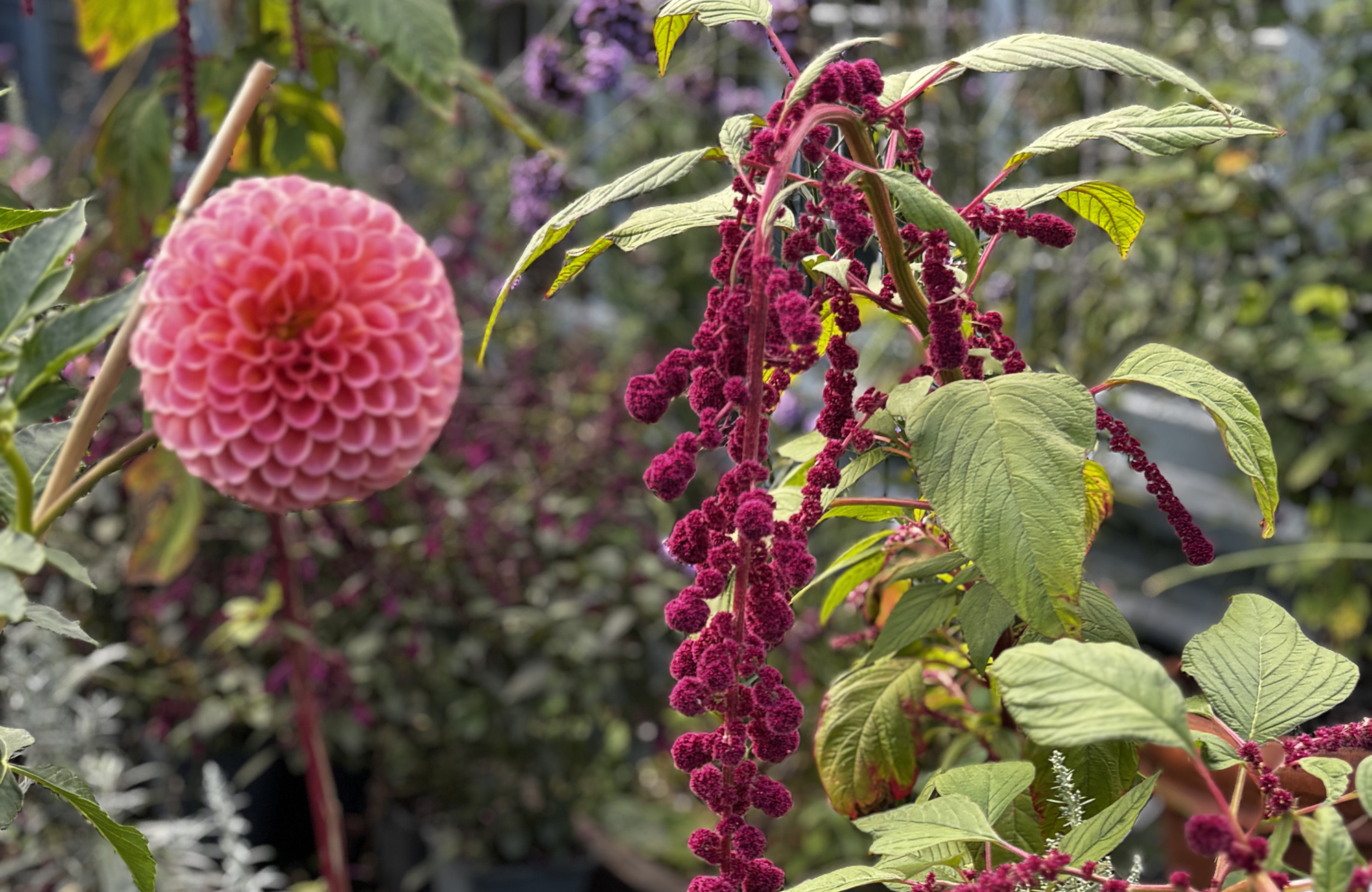
Jo Arnell explains how to recover from this summer, have a tidy up and make next year’s gardening easier with her tips for an autumn garden reset
Autumn’s arrival always feels more like the start of things than an ending – it’s still warm, there’s plenty going on, with lots to do and new projects to get under way before the cold and dark sets in. Think of the lines from T S Eliot’s Four Quartets:
“…And to make an end is to make a beginning.
The end is where we start from.”
He was illustrating larger themes of decay and renewal, the experiences of life, but you get the gist. This is the perfect moment to make a start and to get the garden in shape for the seasons ahead – to help protect our plants from the coming winter and plant and prepare for next spring. And the more we do now, the less we’ll have to do next year. Before rushing straight in though, we need a quick review.
Recovering from the summer
After the hottest summer on record, autumn’s arrival came as a relief to many, not least to our frazzled plants. Many of them may look completely dead, even now after we’ve had some rain. You may feel like cutting them back or even digging some out completely, but look carefully and closely. If they are woody stemmed you can scrape back a little of the bark with a fingernail – and if it’s green underneath, then the plant is alive – it just dropped all its leaves in a desperate act of self-protection, and so there’s a good chance that it will come back again.
The drought may have felt disastrous, but nature is resilient, many things will spring back.
The recent rain will have rejuvenated the lawn too and it’s amazing how quickly the grass grows back having spent the summer looking brown and crispy. It may be struggling in places due to the amount of dead stuff (thatch) on top, so raking or scarifying will clear the way for new growth. If there are bald patches, you can over-sow with grass seed, which should germinate and grow while conditions are still good. Turf can also be sleeved in, but grass sown from seed may blend better in with the existing lawn.
This is also an opportunity to see what has done well – apart from the brambles that is – what has just about managed and what has sadly withered away. Some of our native plants have coped surprisingly well, and that doesn’t just mean weeds – cottage garden perennials like hardy geraniums, achillea, scabious and nepeta have managed. Other useful plants; sedum, ornamental grasses and some of the other daisy-types like asters, rudbeckia and helianthus (perennial sunflowers) are also performing well. Sadly the moisture loving plants – geums, astrantia and persicaria might have given up.
“Birds appreciate seed heads, insects need cosy overwintering places. Plants that ‘die gracefully’, that have beautiful or architectural seed heads should also be left for poetic reasons.”
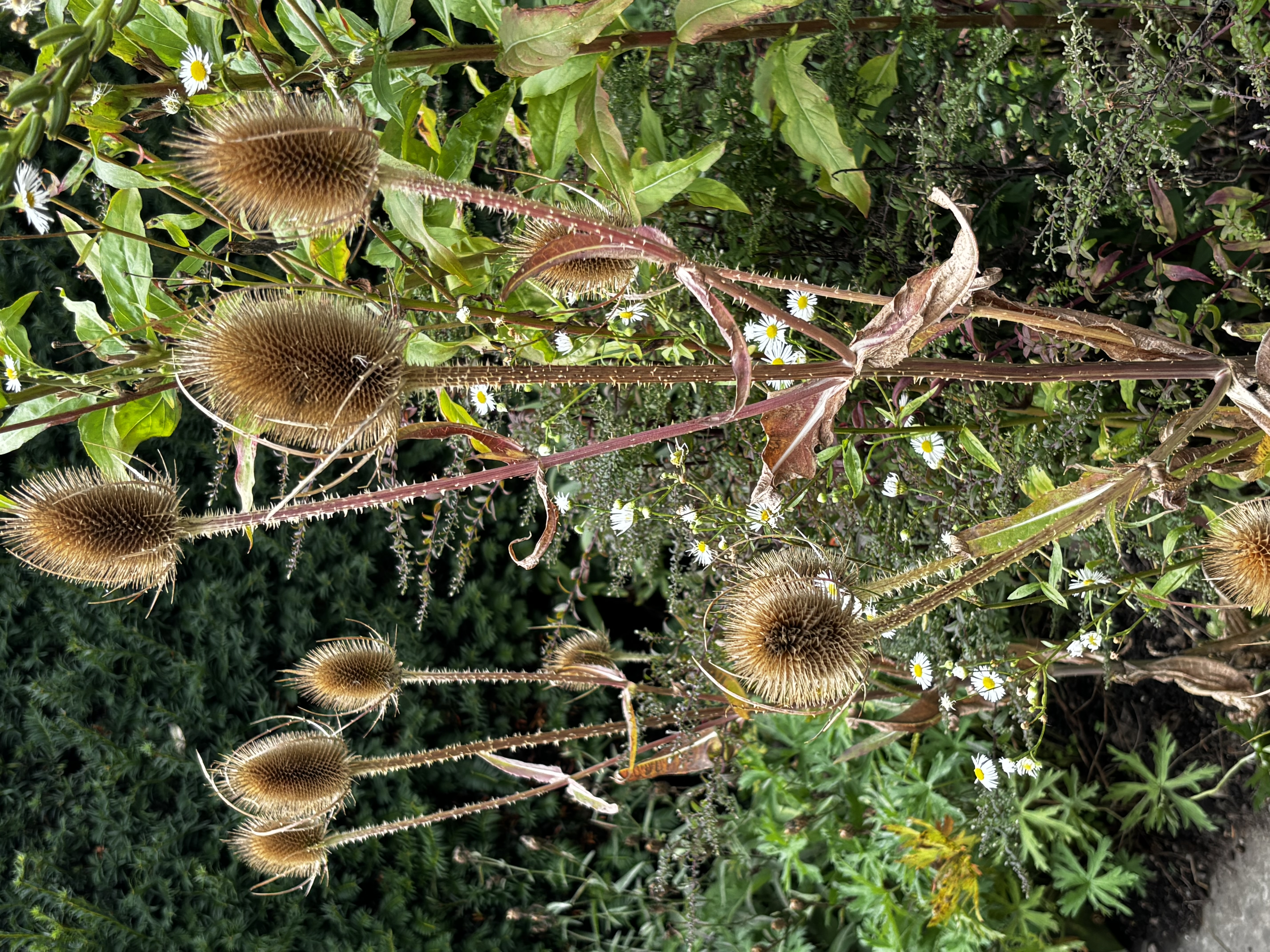
owes its name to its former use in the textile industry, where its hook-like bristles were used to ‘tease’ out the nap of cloth to make its surface softer
Autumn rethink
This is a brilliant time for making – and implementing plans for improving the garden. The soil is still warm, we’ve had some rain and winter is still a fair way off (let’s hope!). We can move, divide and plant while conditions are favourable, find the right places for the right plants. I call this ‘musical plants’ – sadly there’s rarely music — and I get the sense that all my plants are trying to duck out rather than join in the game, but it is satisfying from my point of view and hopefully the plants end up in better places at the end of the process. It is also a good moment for lifting and dividing perennials and some big clumps really need it – I hesitate to say that they actually want us to do this, but well established geraniums, daisy types and phlox tend to get a bit tired and dead looking in the centre and once this is cut away (or prized apart with two forks as those expert gardeners do it on screen) the new growth on the outside can be replanted, moved to other parts of the garden or given to friends. Just be careful if you are on the receiving end of a gift from a generous gardener – check that the innocent looking scrap you’ve been given doesn’t make a bid for world domination once planted in your garden.
While your border is in a state of flux, think about filling resultant gaps with bulbs, and then next May and June plant annuals in the spaces when the bulbs bow out. If you are worried about digging through bulbs in borders, you can always plant them in a pot, bury the pot, then lift it once the bulb has finished and pop the annuals into the hole. The pot of bulbs can be tucked out of sight to die down in peace, ready to be replanted next autumn.
“While your border is in a state of flux, think about filling resultant gaps with bulbs, and then next May and June plant annuals in the spaces when the bulbs bow out.”
Preparing for winter
We need to remember that it is one thing getting our plants through the drought of summer, quite another for the same plants to manage through the winter. This is where the Mediterranean plants, once hailed as the answer for our changing climate, can let us down.
Plants with silvery leaves – artemesia, lavender, rosemary, santolina etc, are great in hot dry conditions, but sulk – even drown – in the cold and wet. Pittosporums and hebes have enjoyed themselves this year, but might not be as happy in a wet, cold, windy winter. We need resilient survivors that will embrace change, that recover from extremes, that are able to shrug off both snow and scorch. I have found three plants that sail through (I know, only three, but you can go a long way with just three plants): sedums, most roses and, in my garden, which admittedly is fairly free-draining, Verbena bonariensis. The dogwoods don’t seem to be doing badly either, which is surprising, because they are supposed to like damp soil. There will be more and we will have a proper reckoning – and a longer list to choose from let’s hope – by the spring.
In order to help the plants through winter our approach to the autumn ‘tidy up’ needs to be one that doesn’t clear away everything to leave stumps and bare soil. Leaving the top growth on more tender perennials like salvias and penstemons will protect the base of the plants. Birds appreciate seed heads, insects need cosy overwintering places. Plants that ‘die gracefully’, that have beautiful or architectural seed heads should also be left for poetic reasons.
Once we’ve had a decent amount of rain and there is space among the plants, we should be mulching; with homemade compost, with organic manure, composted bark, or whatever you can find. My best Christmas present has been a shredder, which chops up sticks and stems that I then leave to compost down for a while before tipping onto the borders. Mulch will help to hold in moisture for when it’s dry again, it will also act like a sponge and absorb some of the water when the garden is drenched in the winter. Added to this it will start to open up the structure of a clay soil – and bind a sandy one together. Never mind starting a revolution when we can start a compost heap.
We don’t know what’s in store for us in the coming seasons, but the El Niño this year may well bring us storms, cold snaps and another hot summer. Whatever the weather, we can do a bit of prepping and get as ready as we can. We still have a few good gardening weeks ahead of us, and plenty of time to be outside just enjoying all that autumn brings. Let’s get out there.
Jo’s new courses are now booking, see hornbrookmanor.co.uk
You may also like
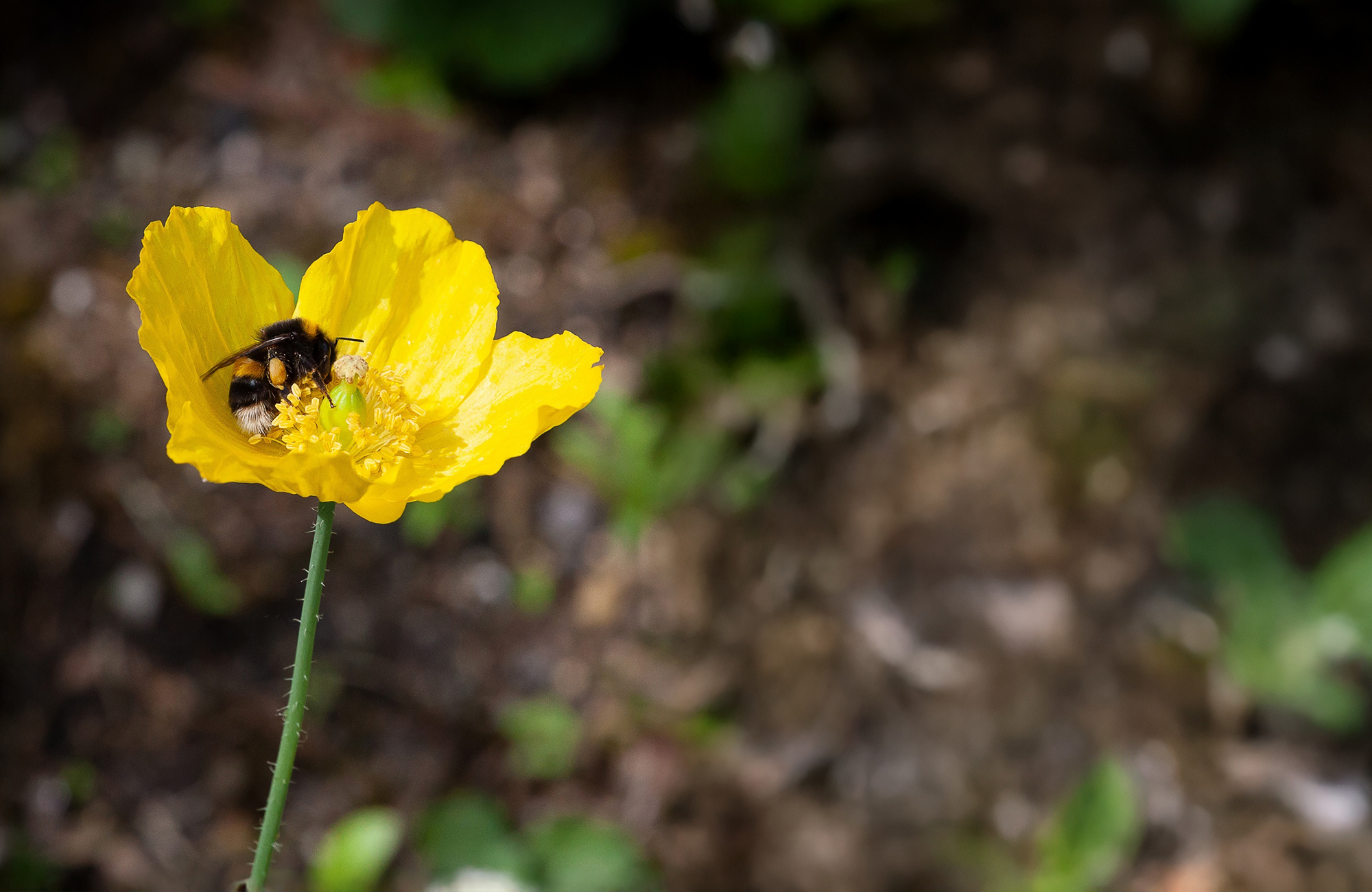
Sow Natural
Let your plants do some of the hard work for you, with Jo Arnell’s recommendations for fuss-free, easy self-seeders I spent a fair amount of time sowing and growing earlier this year sprinkling seeds into trays of compost, nurturing little plants,...
Summertime and the growing is easy
Jo Arnell explains it’s never too late to get growing vegetables this August as long as your choice are suitably savvy So here we are then, in August, when the vegetable garden is all languid abundance and harvest home (see...
Fill Your Pots!
Ensure your summer containers are built to last with Jo Arnell’s expert advice If you need some colour, some interest and visual appeal – or just a quick fix for the garden this summer – container plants are hard to...