As temperatures drop, Jo Arnell encourages us to look out for the creatures who share our gardens
The natural world has been busy making preparations for the colder months ahead; seeds have set, berries have ripened, fruit has fallen. The creatures have been fattening up for hibernation, stashing stores of nuts, eyeing cosy log piles, cracks and crevices and generally hunkering down to wait out the winter. We humans make cosy soups, pull on extra layers or warm ourselves by the fire, but when the world freezes over it’s not always as easy for wildlife – even if you have grown a winter coat or fluffed up your feathers. The refuges our gardens offer will be appreciated – and could make all the difference in a cold snap.
Provide food and shelter
As the garden collapses and fades, there is a big temptation to tidy it all up, have a bonfire and go inside – this is what we used to do, but things have changed. Our autumns are longer and milder now, we can grow tender plants that know nothing of the winter, that will keep flowering until the frosts – salvias and dahlias, and annuals like cosmos will churn out nectar rich flowers months after our traditional cottage garden blooms have packed up. Providing late nectar gives the overwintering insects – bumblebees, some butterflies and moths, queen wasps and hoverflies – a boost before they hunker down to wait out the cold months. The boundary hedge in my veg patch is more ivy than hedge and I keep thinking about replacing it, but every year in early autumn it comes to life with a mass of insects. Flies, wasps, bees, beetles all crowd in together when the ivy is in flower, then later on, being mainly evergreen, it becomes a shelter for them. I know I keep mentioning ivy, but it is such a good native plant.
Leaving the top growth of stems and old leaves on your plants through the winter can, with careful editing, look attractive as well as providing places for creatures to shelter in. Ladybirds in particular like to snuggle down among the sticks and stems. It won’t stop them from squeezing into the cracks of your windows, but at least they’ll have the choice. It is easy to set up bug hotels and log piles in the garden too and can be a fun thing for children to do. Keep them outside collecting cones and twigs to build into cosy homes for creatures.
Make sure that ponds are easy to get in and out of – and if water sources freeze over later in the winter, provide a shallow dish for non-hibernating wildlife and a bath for the birds. This will need to be checked and cleaned regularly, but could provide a lifeline for them. Like some of us, the birds enjoy a bracing winter dip in cold water – I’m not sure it helps them to stay chirpy, but it definitely keeps their plumage clean and their feathers warm and waterproof.
Feed the birds
Some of our garden birds migrate, often flying thousands of miles – and then back again in the spring, but many stay here, toughing it out and they will be grateful for the bought food that we put out for them, providing what we give them is high quality nutritious fare. If you are feeding the birds it’s vital to keep feeders and bird baths scrupulously clean in order to prevent the spread of disease, especially when large groups gather in close proximity.
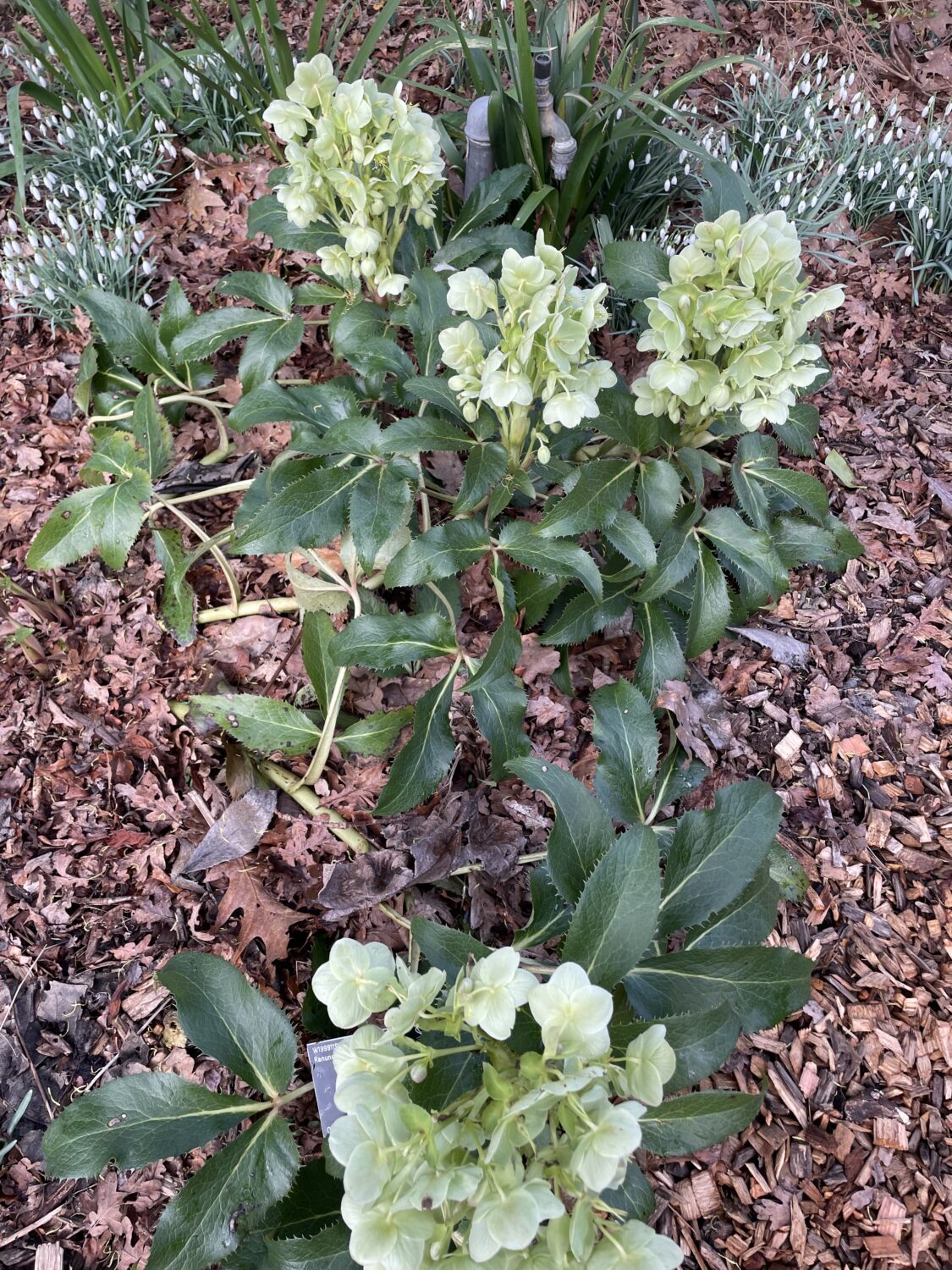
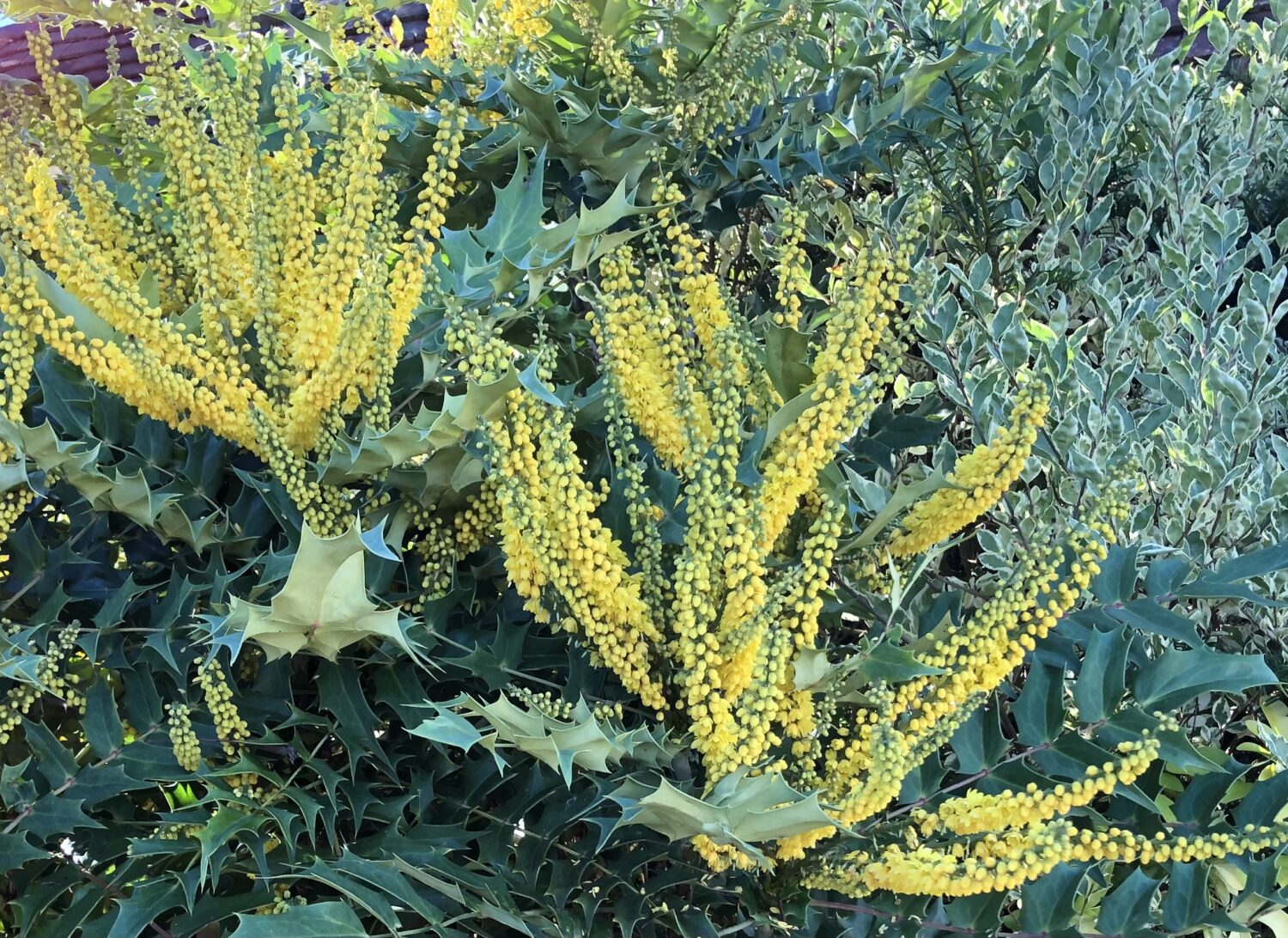
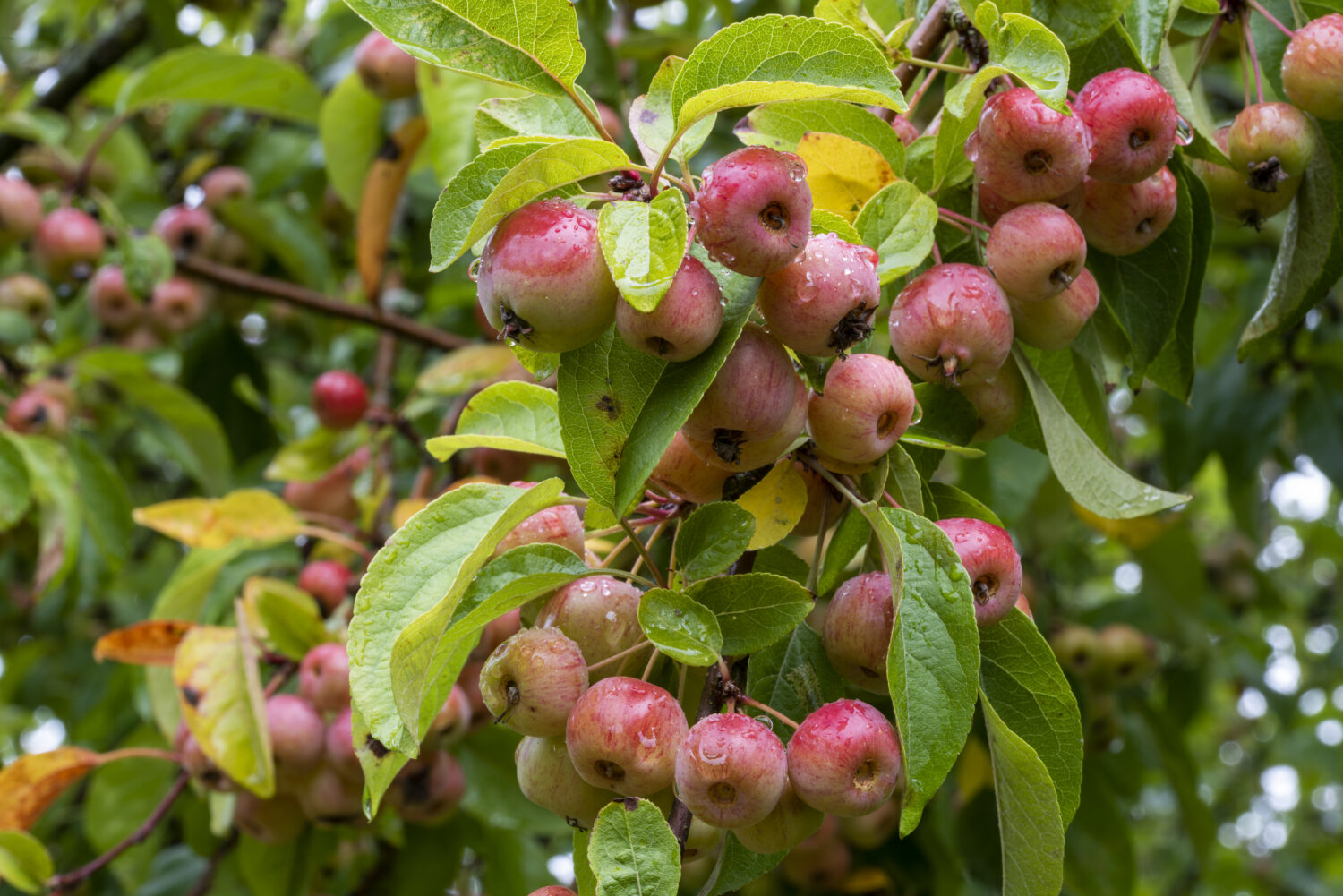
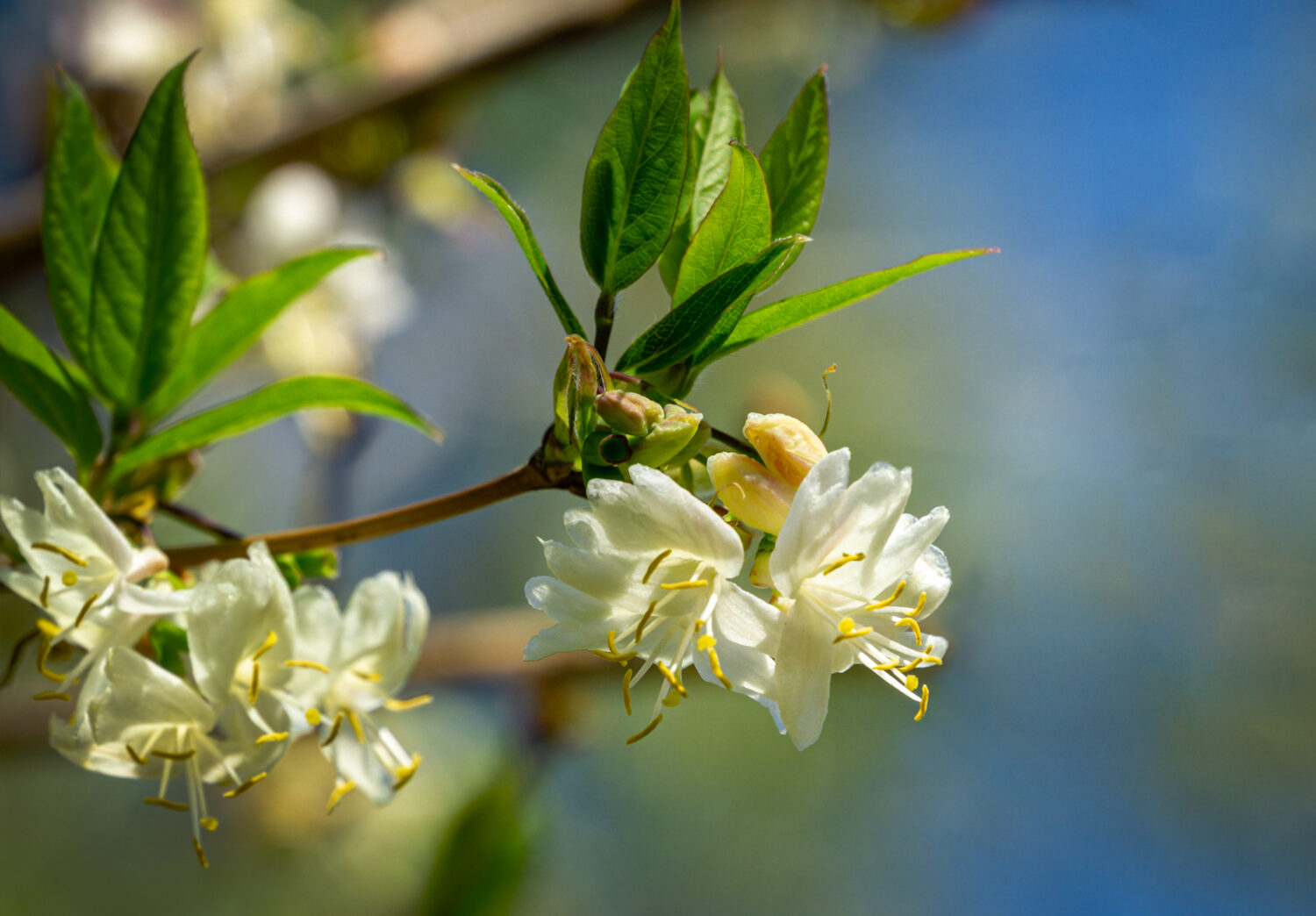
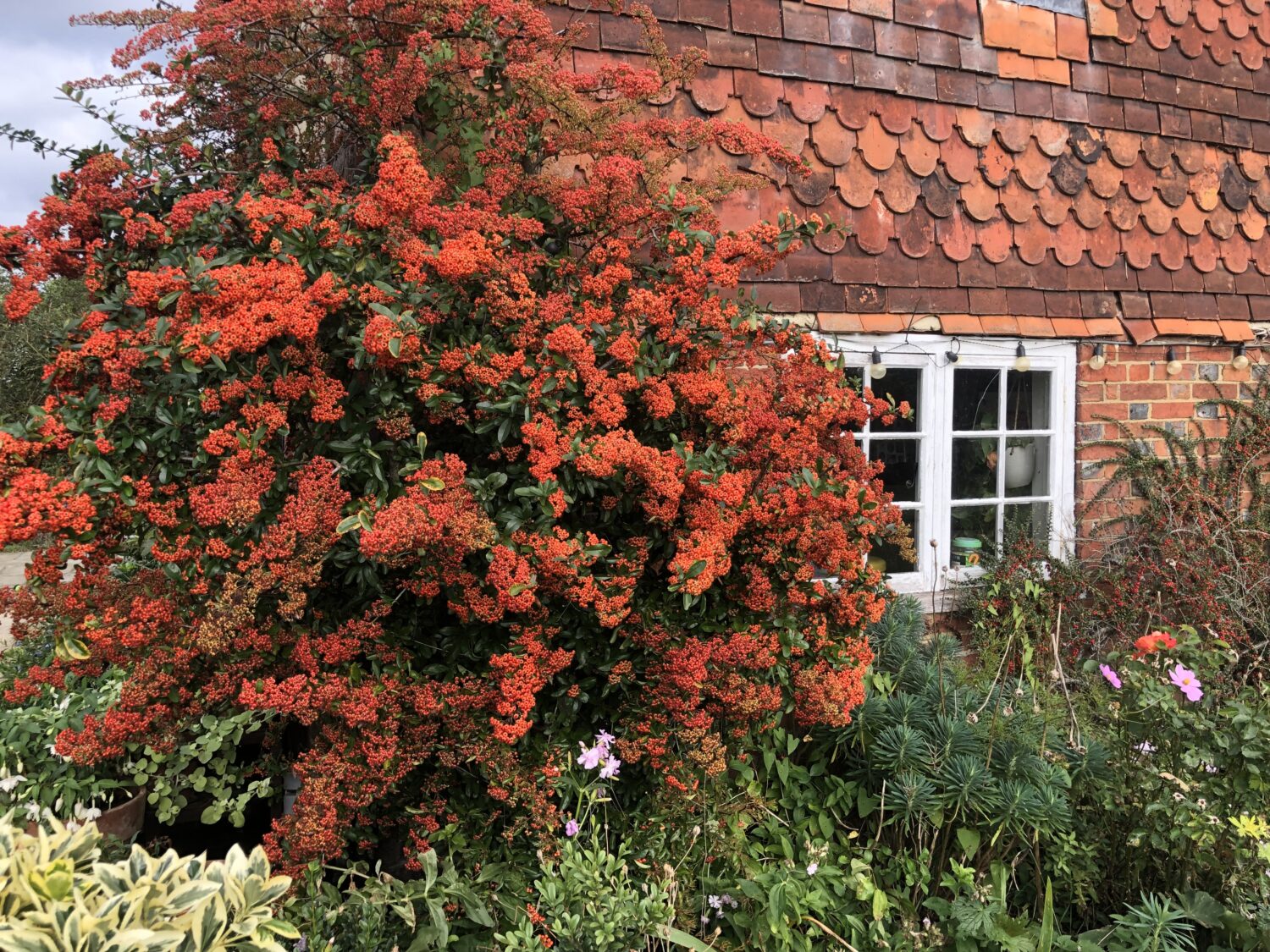
Try growing your own bird food by planting shrubs and trees that have berries and provide them with a natural larder. Holly, crab apple and rowan are lovely native trees, and shrubs like cotoneaster, viburnum and pyracantha produce masses of attractive and nutritious berries. Ivy is not always popular, but it is one of the very best plants for wildlife, its flowers provide late nectar in the autumn and the black berries that appear in winter are an extremely valuable source of food for a range of creatures when the cold weather really sets in.
Flowers that produce lots of seed are very useful for birds like goldfinches, sparrows and blue tits. Grasses and daisy-type flowers (asters, echinaceas, rudbeckias) are packed with seeds, as are annuals like poppies, cornflowers, marigolds and sunflowers. Teasels are great for finches and can look sculptural in the right place. If you don’t mind them self-sowing all over the place, amaranth and millet are prolific seed producers too. It is magical watching the birds flitting around the garden foraging for their home grown food – and if you do the garden bird watch in January, it’s a good excuse for staring out of the window for an hour.
Remember, remember
This is the season of bonfires, but bonfire night – and all the other days and nights around it, can spell danger for our wildlife. It is not just the threat of a fire getting out of hand and spreading, but the fact that the components of the bonfire – the piles of sticks and garden waste tend to build up over weeks and days until there’s enough for the fire. During this time hedgehogs, frogs and toads can come across it while looking for a place to hibernate. If possible relocate the site of the bonfire before lighting it, or at least check for hidden wildlife (and even pets).
Hedgehogs are a rare sight in our gardens nowadays, but they are wonderful garden helpers and there are things we can do to encourage them. If your garden is bounded by fences, make a small hole in them so that the hedgehog can travel between the gardens. A hibernation space can be as simple as a pile of dead leaves and sticks, or a specially made hedgehog hideaway. These have a couple of chambers so that the hedgehog can escape from predators.
Leave the leaves
Fallen leaves are really good for the garden. They act as a mulch, as a source of food and shelter for invertebrates and, if left undisturbed in a pile, will make a cosy nesting place for lots of creatures – snakes, lizards, frogs and toads, small mammals will hunker down (hopefully not all in the same pile). It’s amazing how quickly the leaves disappear over the winter too – the worms drag them down under the ground, other detritivores like woodlice, beetles, slugs and snails will eat them, the action of fungi helps to break them down and they will all eventually vanish and add goodness to the soil.
Jo’s new courses are now booking, see hornbrookmanor.co.uk
You may also like
Season of change
Jo Arnell explains how to recover from this summer, have a tidy up and make next year’s gardening easier with her tips for an autumn garden reset Autumn’s arrival always feels more like the start of things than an ending...
Sow Natural
Let your plants do some of the hard work for you, with Jo Arnell’s recommendations for fuss-free, easy self-seeders I spent a fair amount of time sowing and growing earlier this year sprinkling seeds into trays of compost, nurturing little plants,...
Summertime and the growing is easy
Jo Arnell explains it’s never too late to get growing vegetables this August as long as your choice are suitably savvy So here we are then, in August, when the vegetable garden is all languid abundance and harvest home (see...