Let your plants do some of the hard work for you, with Jo Arnell’s recommendations for fuss-free, easy self-seeders
I spent a fair amount of time sowing and growing earlier this year sprinkling seeds into trays of compost, nurturing little plants, carefully potting them on and planting them out. I was full of hope – and then had to witness their slow (in some cases frazzlingly fast) demise in the heat and drought. Nearby self-sown seedlings and weedlings popped up and grew brazenly in the parched soil. I have mourned for all the plant babies that I raised to perish in the dust, but I have also been left feeling that I should accept my inadequacies (because it must be my fault somewhere along the line, right?) and recognise that nature knows more about raising plants than I do.
Self-sowers are surprisingly good at choosing their own places. Seeds are moved about by wind, rain, birds, animals and passing gardeners. A seed may lodge in the crack between paving stones, beneath a shrub, at the foot of a wall, or in a patch of bare soil where conditions happen to be just right. Of course, not every seed will germinate, and not every seedling will survive, but those that do have often landed in a position that suits them. Self-sown plants look sturdier and grow more quickly. Their roots tend to go deep and wide from an early age, finding moisture and anchor points. A plant that has grown undisturbed in one spot can establish a better root system than one that has been lifted, potted and replanted. In dry summers especially, this can make a big difference.
Plants for free
One of the joys of a self-sown plant is that it will not cost you a penny. Nature can afford to be generous with seeds, in fact most plants will naturally produce more seeds than are needed, because many fall on unsuitable ground and either don’t germinate, are eaten or grow and are out-competed by their neighbours early in their lives. This is fine in the wild, where conditions are hard and plants must compete to survive, but in an artificial garden situation it’s a different story. If conditions are favourable for a particular plant, then it will take advantage of the fact and you may find that a once coveted and beautiful flower – Verbena bonariensis anyone? – becomes as bad as a weed. In fact this is where the line between a weed and a wanted plant gets decidedly blurry.
Controlling and directing self-seeders
Allowing nature to take its course and letting the plants self-seed naturally can create many serendipitous planting combinations, with plants finding exactly the right places to grow, often in situations we would never have planted them in – sometimes far better places. It all becomes a happy accident and looks natural and unforced. The problem, however, is that the plants are choosing where they want to grow and this may not always be where you would like. Judicious weeding becomes the order of the day – and this can be harder than it seems – there’s something unkind about weeding out healthy, happy plants, even if they are growing in the wrong place. We can try transplanting them, but they don’t always move successfully. The other method is to collect the seed and sow it yourself – in pots to plant out later, or scatter directly where you want them to grow. This might be more labour intensive, but it will keep you in charge of the show. The most drastic way to stop a self-seeder is to dead-head the flower before it gets the chance to disperse any seed.
When and how to collect seed
Many seeds will be ready to collect at the end of summer, but there are lots of plants that flower at other times in the year, so be prepared to have a few harvesting sessions through the seasons. As a general rule seeds will be ready to harvest about 2 months after they’ve flowered. It’s important to collect them when they’re fully ripe, as they won’t be ready until then and most won’t germinate. Collect from midday onwards on a calm day, once the dew has evaporated.
If you are worried that the seeds will disperse before you’re ready for them, tie paper bags over the plants to ensure you don’t miss the moment. I tend to gently pick seed heads once the pod looks brown and crisp, and then tip the seeds into envelopes. Either way, it’s important that seeds are dry, as any dampness will cause them to rot and spoil. If you suspect they’re at all wet, lay them on kitchen paper before packing and storing. If you’re collecting seeds from berries or fleshy fruits, wash off all the fleshy parts in water, then dry on kitchen paper.
If you have collected some seed, make sure that you check the best sowing time. Some seed needs to be sown fresh, while others will happily sit in their paper packets for years. Spring and autumn are the natural seasons for seeds to germinate – winter is too cold and wet, summer too hot and dry and seeds are primed to wait it out until the right time – although I’ve noticed that the weeds seem to be ready to germinate at a moment’s notice.
Annuals and biennials
Annuals such as calendula, nigella, poppies and cerinthe produce seed quickly and freely. They complete their life cycle in a single year: germinating, flowering, setting seed and then dying. Their future depends entirely on their seed, so prolific seed production is their insurance policy. If a few seedlings survive until the following spring, the plant has succeeded.
Biennials operate over two years. Foxgloves, honesty, forget-me-nots and sweet rocket make leafy basal growth in their first year, flower and seed in their second. A group of self-sown biennials can therefore seem permanent, even though the individual plants are not. Each generation replaces the last, provided there is bare soil and an opportunity for seeds to germinate.
Perennials
Many familiar cottage-garden favourites are generous self-seeders. Aquilegias, euphorbias, verbascums, hardy geraniums, alchemilla, and hellebores will spread around the garden if they like you. Even trees and shrubs will self-sow. Sycamores, birches, rowans, hazels, holly, elder, and many others can appear uninvited, most likely brought in by birds. Beware of baby trees – a tiny seedling may be a delightful bonus if it springs up in the right place, but what looks like a charming little birch beside a fence can become a substantial tree remarkably quickly, so if in doubt, best to remove early on.
Great Dixter is a wonderful place to see self-seeding plants, and also more deliberately sown annuals and biennials – used in creative combinations that are a million miles from the stiff bedding schemes of old fashioned parks and gardens. Some self-sowers become focal points – Verbascum bombyciferum (a huge yellow spire with felty grey leaves), tall teasels, giant thistles, fennel and evening primroses can look magnificent in the right places. Swathes of opium poppies, aquilegias and foxgloves – and later Verbena bonariensis – wash through the borders to create tapestries of colour.
This is the joy of welcoming self-seeders: we don’t have to rigidly plant every part of the garden. Bare patches of soil, spaces around established plants, the edges of paths and paved areas can be softened and improved with a scattering of opportunistic flowers. A self-sown garden is not an untidy garden; it is just a more relaxed and natural looking space. It is also more resilient and able to adapt to the changes within our increasingly erratic seasons. Each year brings so many changes and surprises as the plants adapt, which ultimately creates a dynamic and healthy garden, one that with any luck we won’t have to interfere with too much.
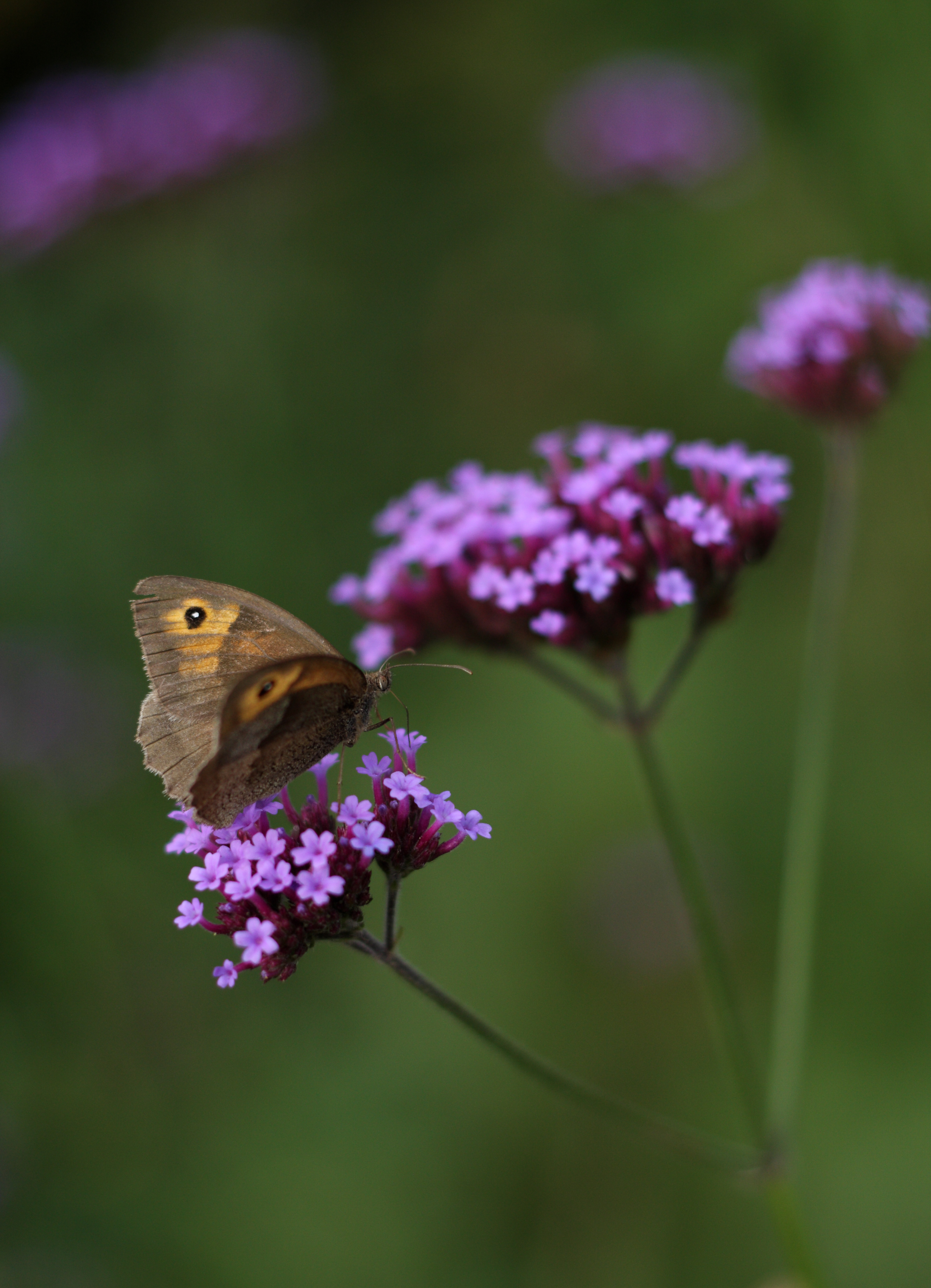
“If conditions are favourable for a particular plant, then it will take advantage of the fact and you may find that a once coveted and beautiful flower – Verbena bonariensis anyone? – becomes as bad as a weed.”Annuals and biennial self-seeders
Atriplex hortensis – burgundy foliage plant
Opium poppies – come in a huge range of lovely colours
Erigeron – Mexican daisy, loves a free draining position and will happily grow in paving cracks
Onopordum acanthium – giant thistle for impact if you have the space
Bronze fennel – will pop up anywhere sunny
Angelica gigas – majestic – and prolifie
Smyrnium perfoliatum – takes a while to get going
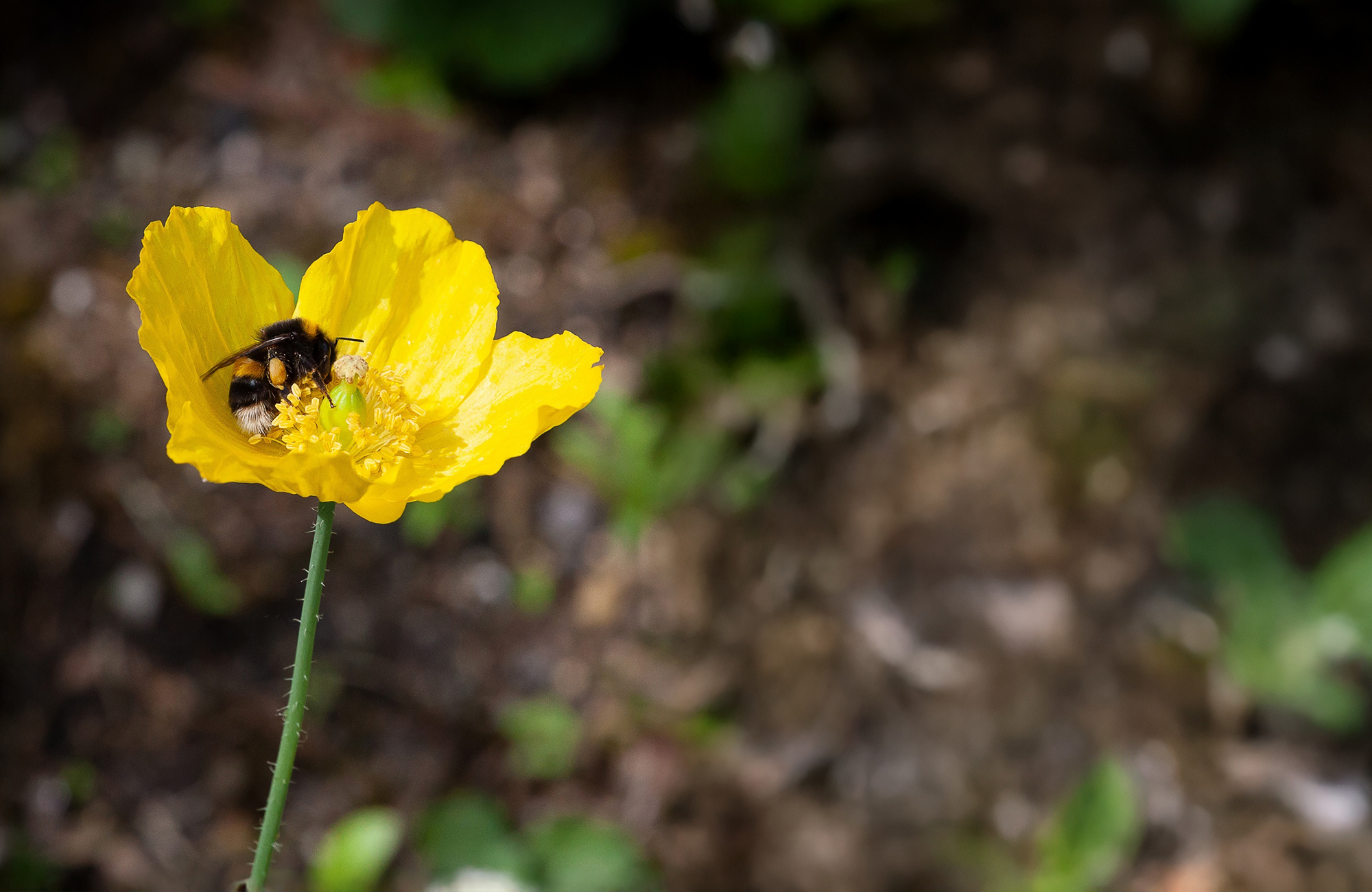
Welsh poppy – likes damp soil
Nicandra physaloides (Shoo fly) – can be a nuisance
Foxgloves – lovely tall spires in late spring and will also grow happily in shade – try the white Digitalis alba
Forget-me-nots – may need thinning and controllingPerennials
Eryngium – blue-flowered thistle, likes well-drained position in the sun
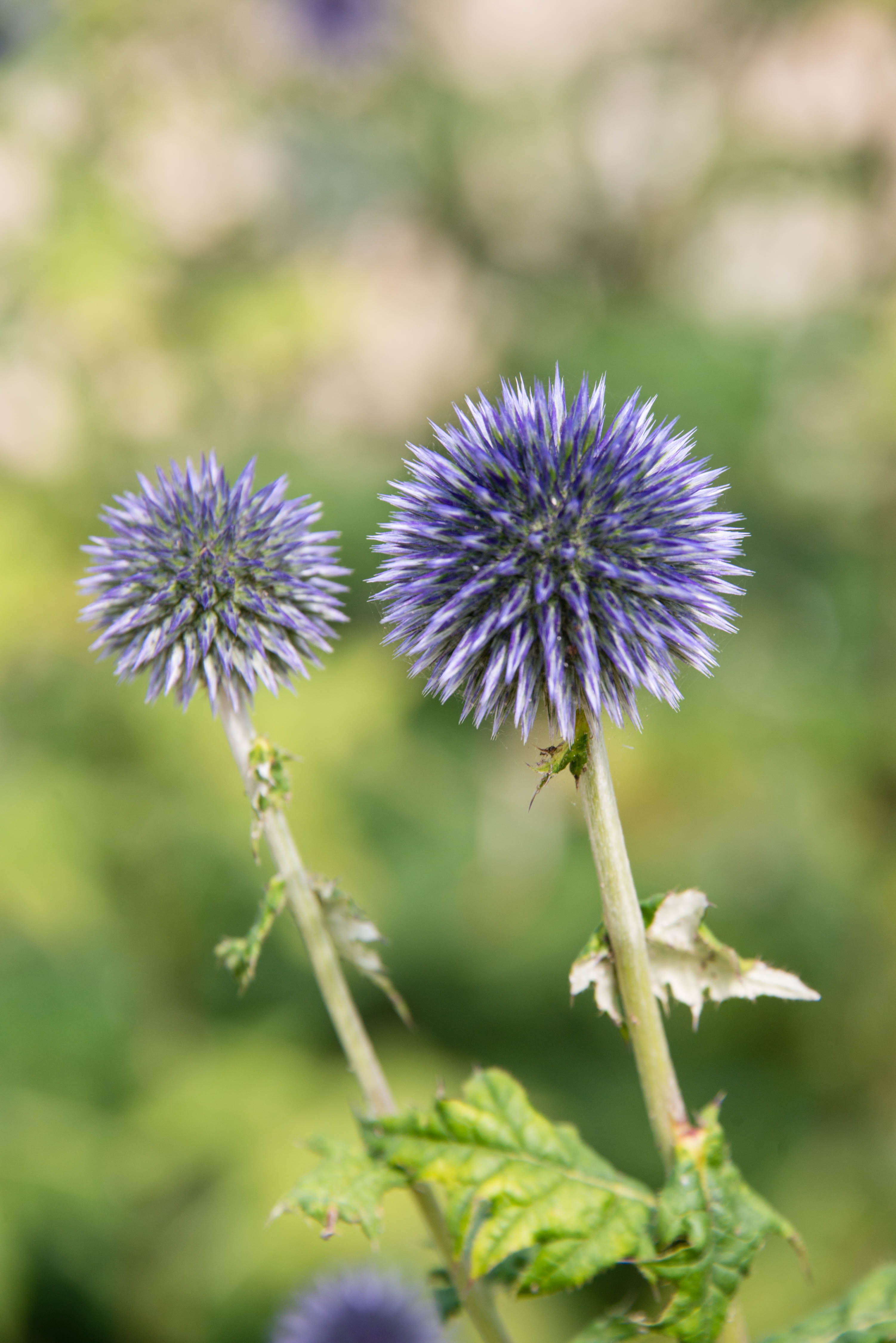
Echinops – another blue thistle beloved by bees
Cotoneaster – architectural shrub that may self-sow
Alchemilla mollis – if it likes you it will pop up – usefully in dry shade
Cyclamen – autumn and spring varieties will colonise woodland edges
Thalictrum delavayi (meadow rue) occasionally self-seeds, likes shade
Ferns – some will spread though rhizomes as well
Persicaria, depending on the species
Euphorbias – most of these self-sow around the place
Verbena bonariensis – enough said
Jo’s gardening courses are booking now. Call 07923 969634 or see hornbrookmanor.co.uk
You may also like
Wild Winter
As temperatures drop, Jo Arnell encourages us to look out for the creatures who share our gardens The natural world has been busy making preparations for the colder months ahead; seeds have set, berries have ripened, fruit has fallen. The...
Season of change
Jo Arnell explains how to recover from this summer, have a tidy up and make next year’s gardening easier with her tips for an autumn garden reset Autumn’s arrival always feels more like the start of things than an ending...
Summertime and the growing is easy
Jo Arnell explains it’s never too late to get growing vegetables this August as long as your choice are suitably savvy So here we are then, in August, when the vegetable garden is all languid abundance and harvest home (see...