Jo Arnell explains it’s never too late to get growing vegetables this August as long as your choice are suitably savvy
So here we are then, in August, when the vegetable garden is all languid abundance and harvest home (see the recipe pages for some ideas on using all the bounty). Or maybe it’s just a frazzled heap of nothing, thanks to all the heat waves and hosepipe bans? Or, for one reason or another, you haven’t grown anything at all.
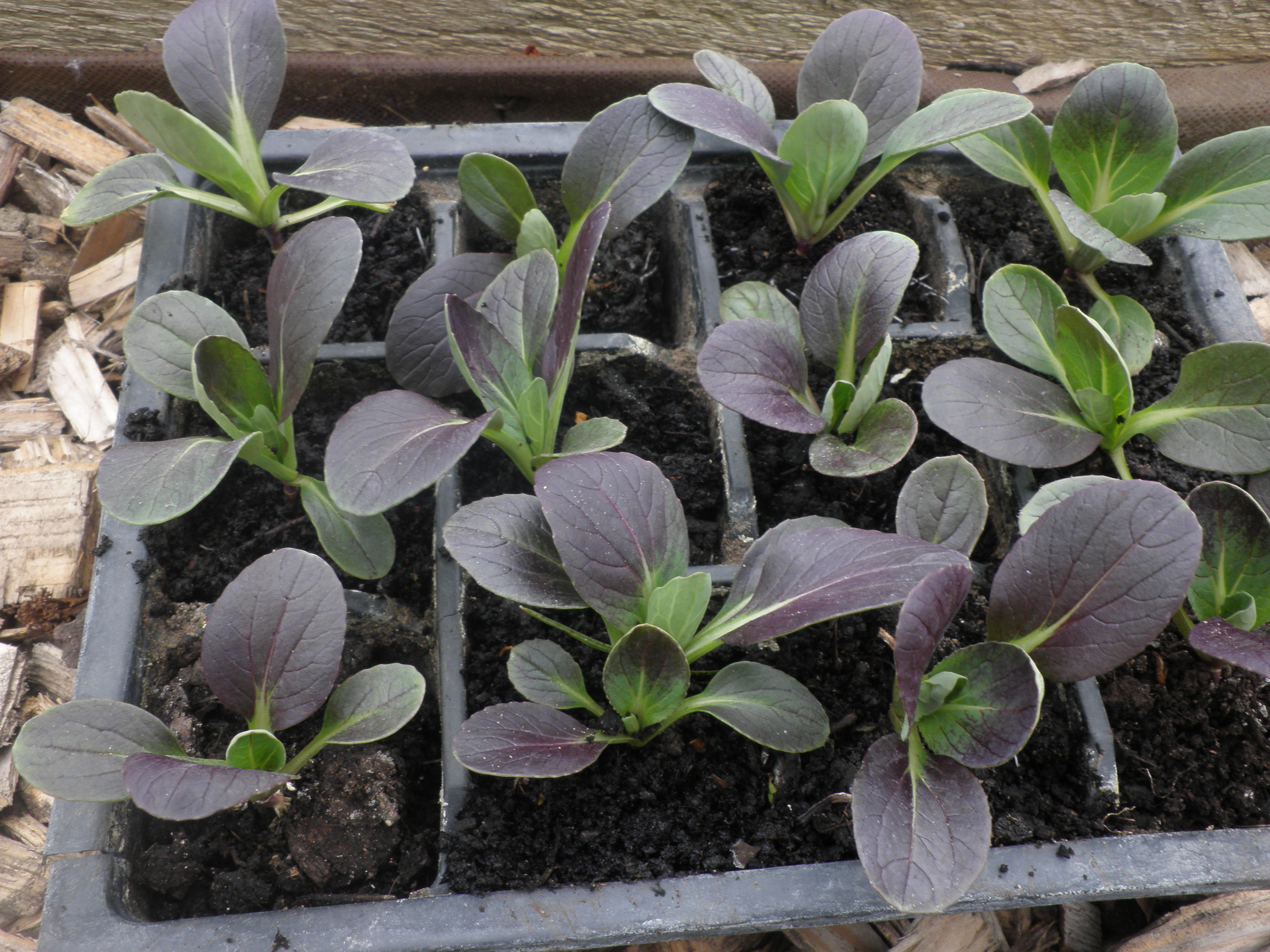
It may seem strange to be talking about growing from scratch in August, but this is one of the most productive months for sowing. The warm soil encourages rapid germination, while cooler nights and shortening days create better growing conditions for many leafy crops – things like spinach and pak choi, that run to seed in hot dry weather. There are quite a few quick off the mark vegetables that, sown now, will give you delicious results in just a few weeks’ time.
If you have space, or have cleared some – and it doesn’t have to be a dedicated vegetable bed – we are not aiming for gruelling self-sufficiency here, just the feel-good factor of having grown a little something to eat. Crops will grow in surprisingly small spaces – a spare patch in a border, a windowsill or a few pots on a terrace or balcony – it’s surprising what will be enough to provide you with an edible harvest.
Site and soil
Whether you are starting from scratch or harvesting and clearing existing crops ready to sow some more, it is important to pay attention to your soil. Do not leave bare earth in between harvests; it dries out quickly and starves soil organisms, nutrients are dissipated and weeds that have been waiting all year for their moment will rush in and quickly colonise. Adding organic matter prior to planting improves soil structure and helps to feed the ecosystem that will help you look after your plants.
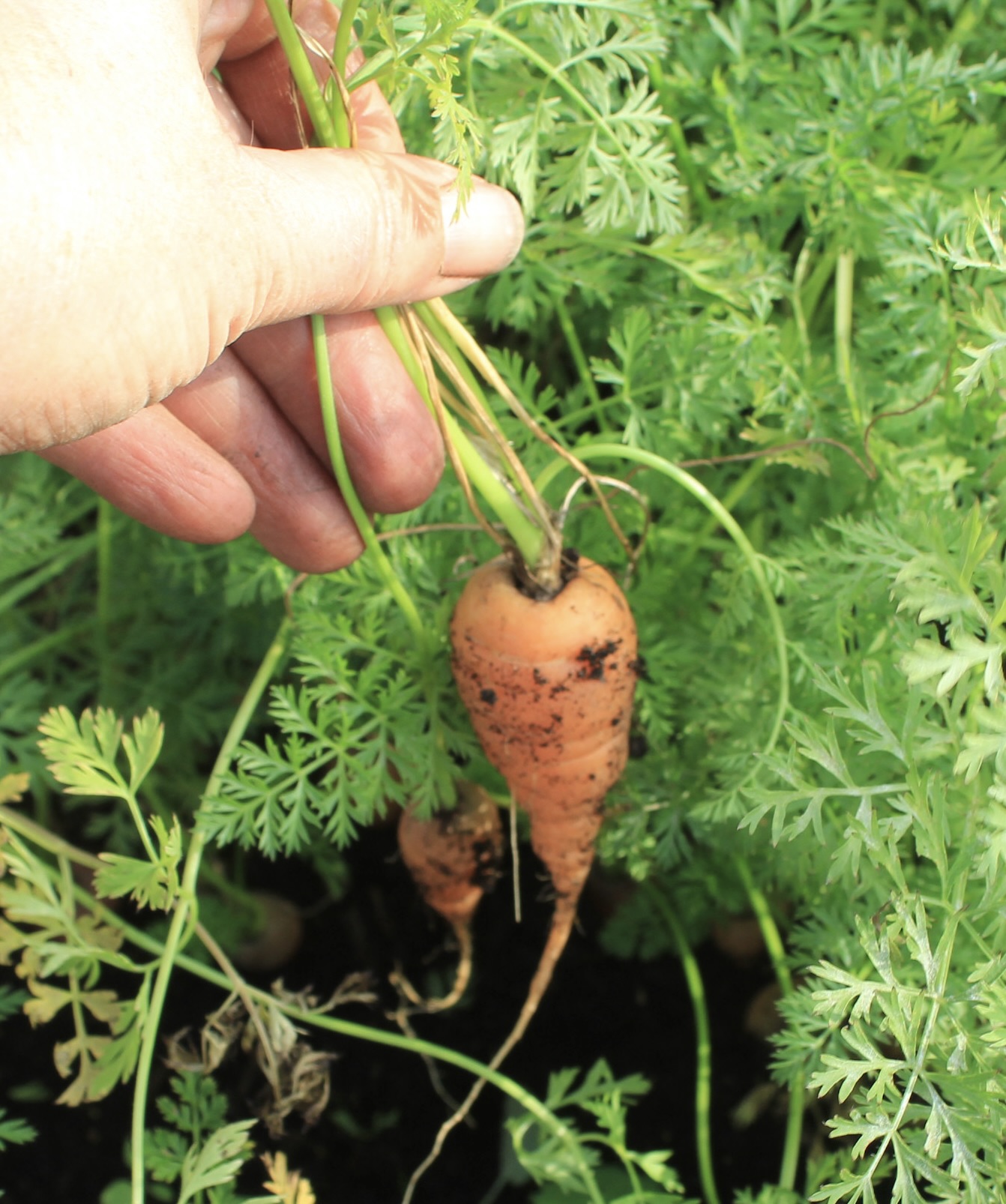
Think about what you are about to grow, as some crops will need richer soil than others. In general brassicas (that’s cabbages, cauliflower and kale) are heavy feeders and will need beefed up soil to grow in, whereas carrots and onions will prefer free-draining conditions and less manure. In fact carrots will react badly in freshly manured soil, as it is too rich for them and causes them to produce weird roots reminiscent of creatures from Dr Who. Short-rooted carrot varieties are better sown at this time of the year anyway, as they are quick, but just as flavourful.
Sowing to harvest times
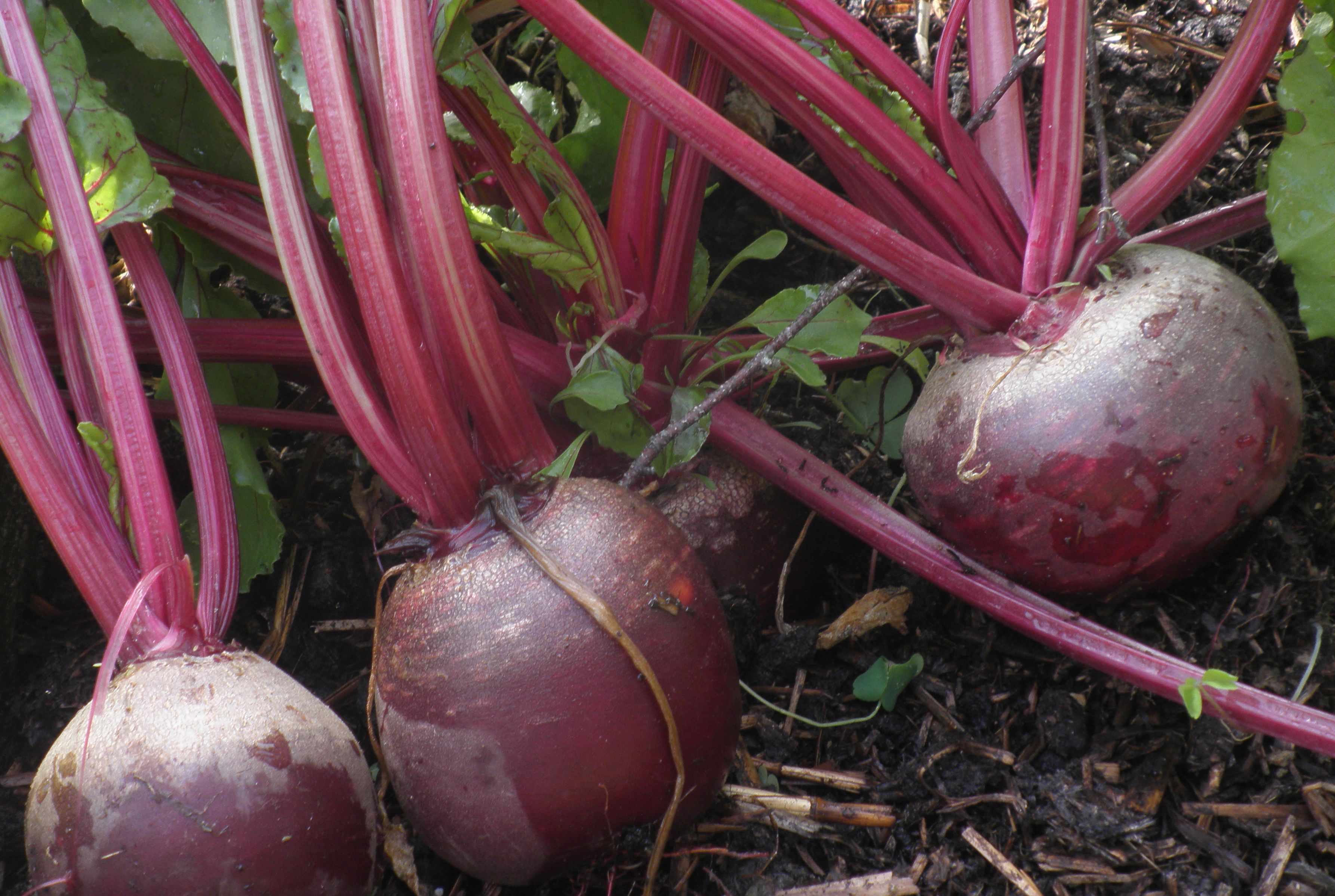
The time it takes to get an edible crop will help you decide what to grow – and those with a long growing season – leeks, potatoes, purple sprouting broccoli and parsnips are best left until the spring, but faster crops, especially leafy greens like rocket (hence the name!), mustard greens and stir-fry veg like pak choi, Chinese cabbage and mizuna are ready in as little as 4-6 weeks. In general roots are slower than leaves, but small carrots and baby beets will be ready to pick in as little as 8-10 weeks. Radishes and kohl rabi could be ready in around half that time.
I grow climbing beans early in the summer and dwarf varieties from July onwards – my theory is that the climbers have further to grow before the pods start to form, but in reality they probably take around the same time. The variety ‘Purple Teepee’ is good because you can spot the purple pods amidst the foliage. If you sow French beans at the start of August you should be able to start picking in October, but remember that they are tender plants and that we sometimes get an early frost…
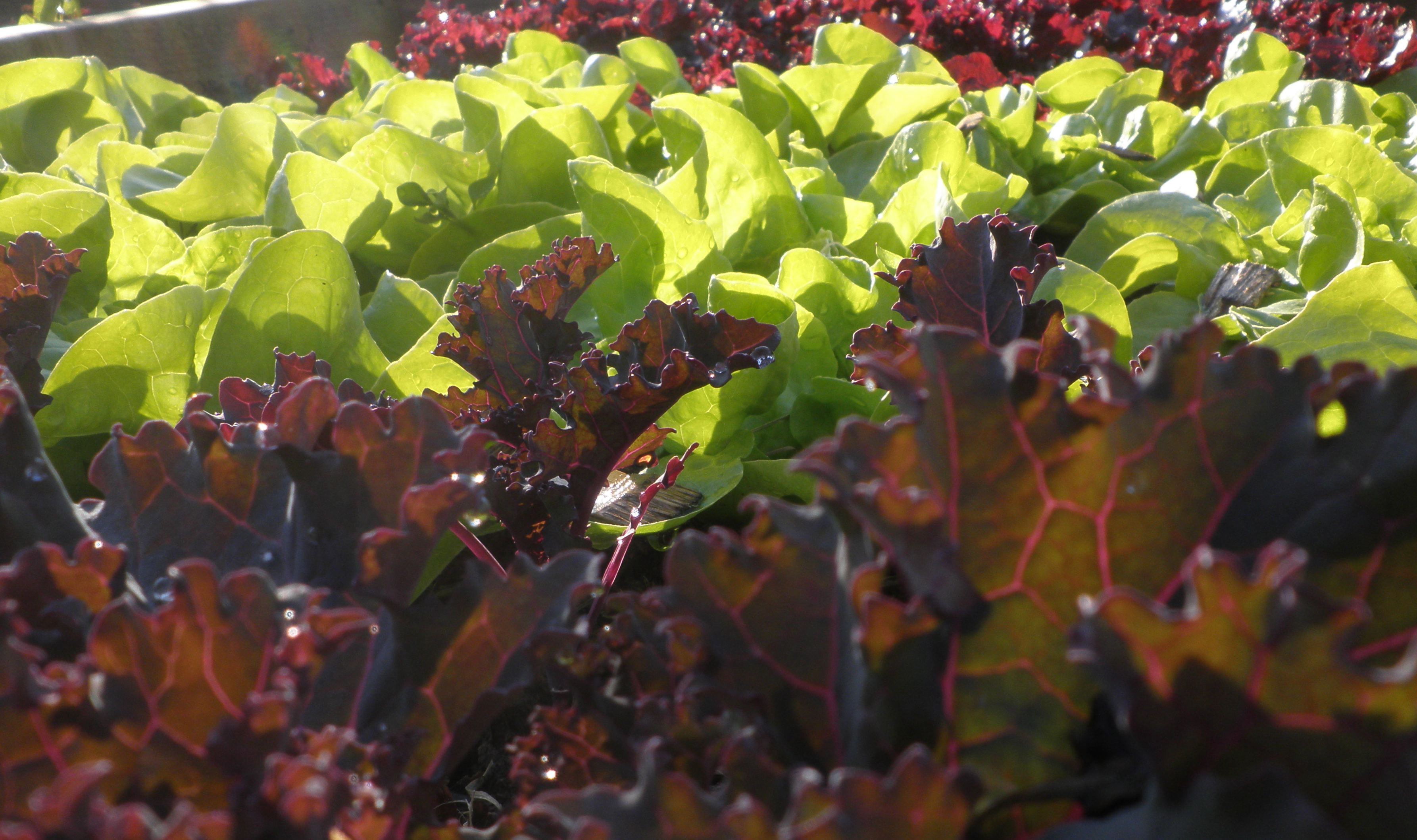
lettuce
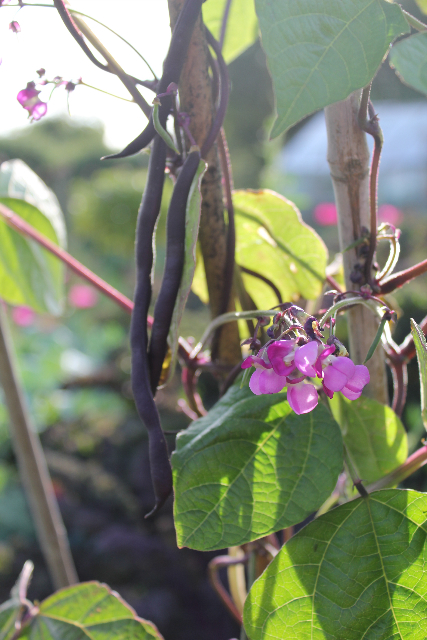
French beans
Sow seed or buy young plants?
Sowing seed is much cheaper and very satisfying, and you will be able to buy the exact variety that you want, but it does take time. Time to sow and grow, and then time spent pricking out, separating seedlings, potting them up and planting them out. If you can resist the urge to tip out the whole packet of seeds, do try to sow little and often, then in theory you will have a constant supply, rather than enough for the neighbourhood all at once – that is providing the conditions don’t suddenly heat up and cause the later crops to overtake the first sowings. Many online nurseries, and quite a few garden centres these days, will sell young plants in small pots, strips or modules that are ready to plant straight out into the garden. This will save you time, if not money (although still much cheaper than buying packaged vegetables from the shops). You might be more restricted where varieties are concerned, but the plants will be healthy and raring to grow.
It is a good way of trying out a few different varieties without being tempted to sow the whole packet of seeds and then ending up with a grand scale glut – or massive crop failure.
Crop protection
Another good reason for growing vegetables late in the season is that the insect pests are dwindling – life cycles are coming to an end, caterpillars have pupated, or been eaten by hungry birds, aphid numbers are dwindling and the slugs are (slightly) less rampant than they were earlier in the year when green shoots were tender and new.
Edibles do still need some protection and if you sow directly into the soil, tender young seedlings will be attacked and are best hidden under cloches, or sown in modules to plant out once they are bigger (but you will need to keep a vigilant eye on them). As the insects decline with the advent of cooler weather, pigeons will be eyeing up any cabbages and kale, so netting is a good idea over the autumn and winter.
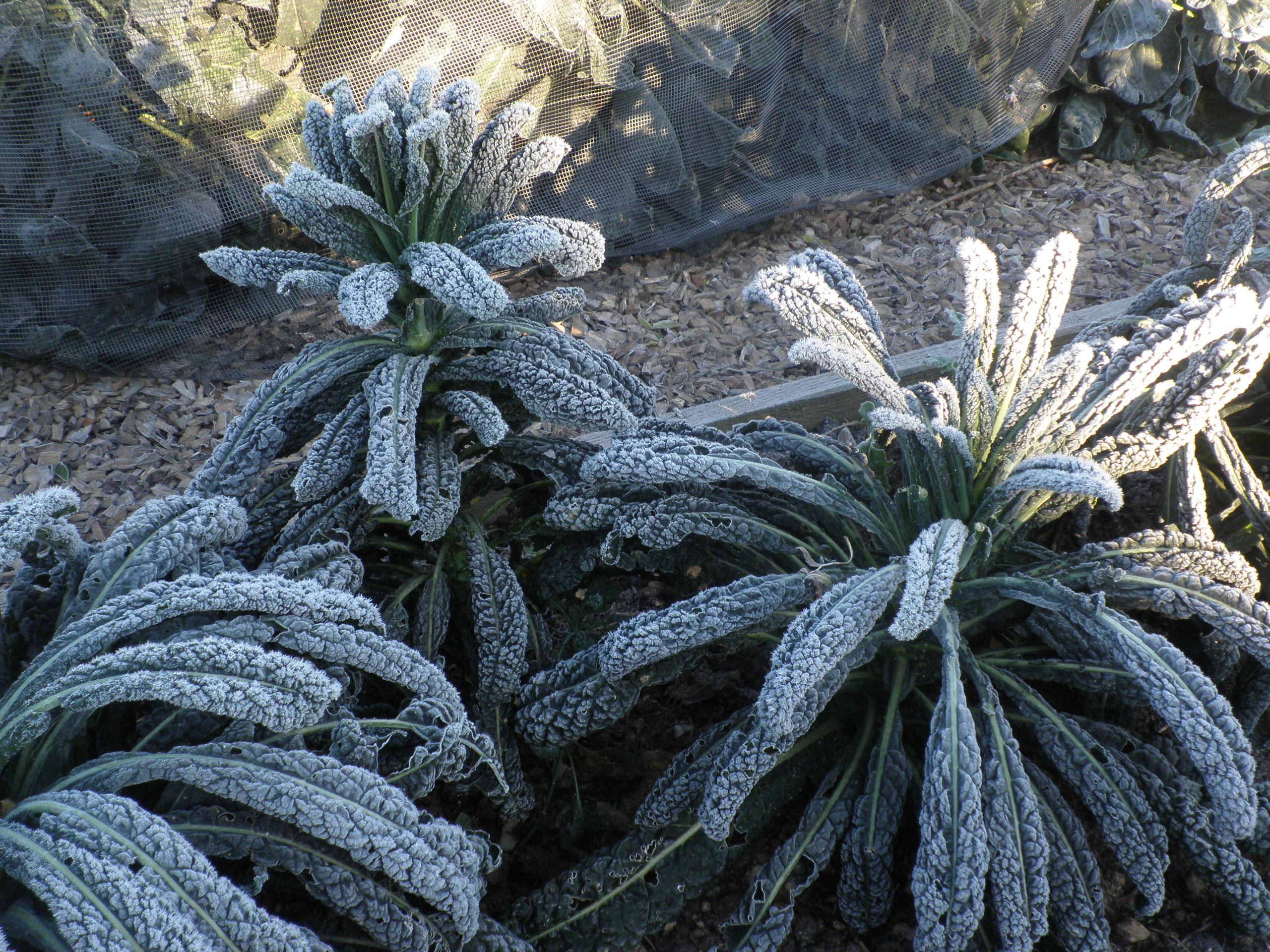
The great thing about growing in autumn and winter is that the harvests stay fresh outside where they are growing – like an outdoor larder, patiently waiting to be picked. Many crops are supposed to taste sweeter after the frosts – parsnips, cabbage and kale are prime examples, but it is useful to have some horticultural fleece or cloches on hand to protect more vulnerable, but still fairly hardy, plants like spinach, lettuce and chard.
So whether you have already managed to pick – and eat – some home grown food, have had a disaster, or haven’t yet been tempted to grow anything edible, there’s still time to gather yourself, clear some space and plant something that will ensure some harvests later in the year – a bountiful outdoor larder that you will be pleased about in the drab days of autumn and winter.
Find out about Jo’s gardening courses and workshops by visiting hornbrookmanor.co.uk.
You may also like
Sow Natural
Let your plants do some of the hard work for you, with Jo Arnell’s recommendations for fuss-free, easy self-seeders I spent a fair amount of time sowing and growing earlier this year sprinkling seeds into trays of compost, nurturing little plants,...

Fill Your Pots!
Ensure your summer containers are built to last with Jo Arnell’s expert advice If you need some colour, some interest and visual appeal – or just a quick fix for the garden this summer – container plants are hard to...

Bug–U–Like
Jo Arnell explores the fascinating and hugely beneficial world of our garden insects I love a bug, and am beginning to learn that they all have a role and a place, despite the fact that the main job for...